Parenting advice…a hindrance or a help? It can be both!

New parents will always receive advice…from many different people! Don’t be too quick to judge, there are many “pearls of parenting” that you just might learn! Parent with an open mind to advice, but make your own parenting decisions.
I am slowly learning how to be a parent of adult (adult? really?) children. It is not an easy transition, let me tell you! After all, I DO know what is best for my kids (at least I think I do)! I do have life experience and a little bit of wisdom at my age. When the time comes that we are blessed with grandchildren, I am sure that I will have to be careful as I know that I will want to give tidbits of unsolicited parenting wisdom. I am beginning to realize how difficult it is to step back as a parent and allow adult children to live their lives without my guidance. Once again, my respect and appreciation for my own parents has grown…you never know what it is like to be a parent until you are in the middle of it, and that includes being a parent of an adult child!
Well here you are; a new parent. Everyone wants to offer advice to a new parent. You get advice from medical professionals, friends, neighbors, parents, sisters, brothers, and even strangers in the mall. I can remember a lady in the grocery check out line saying, “OOOhhhh, someone is going to have a spoiled lunch!” with a little “tsk tsk”, when my then 2-year-old daughter had a half eaten bag of vanilla wafers all over her face at 11:00 am. Hey, it had been a rough grocery shopping trip! I can remember that her comment was like nails on a chalk board to me at the time. Now as I look back, it really was no big deal…she made a true statement probably, it just made me feel like my parenting skills were being challenged. Tip number one, try to smile and then either accept advice or disregard it, but don’t let the comments of others undermine your confidence in your parenting skills.
Advice from strangers is very easily disregarded; you will never see them again! The more difficult challenge is advice from friends and family…what does a new parent do? Here are a few more pearls about advice…and the biggest one is: Slow down, that advice just might be valuable. Don’t let your pride keep you from listening!
- Even when we disagree with our relatives and friends, it is important to remember their feelings. They give you advice because they love you and your child. When you make decisions that may be different from your parents’, this can be threatening. Parents can feel that you do not think they raised you well, or that you are critical of their parenting skills. You should always assure them that they were great parents to you, but times change, and sometimes there is totally new advice regarding child care. One example is “back to sleep”…a total change from a couple of decades ago!
- Knowledge is the best tool to defend your parenting choices when contradictory advice is given. New parents must be confident in their parenting choices. Look to medical professionals, trustworthy parenting books and websites, and listen to trusted mentors. The more you know, the more confident in your decisions you will be. Arm yourself with magazine articles, books etc. to support some of your parenting decisions.
- Your child’s doctor can be one of your best sources for parenting advice. Many parenting issues like feeding, discipline, potty training and sleep habits can bring many differing opinions. After discussing your questions with your child’s doctor you can support your view. “I know every little kid loves ice cream, but the Doctor doesn’t want me to start solid foods until he is at least 4-6 months old.”
- You can always ignore advice from friends and relatives, but you don’t have to be confrontational about it. “Thanks for the suggestion, that might be a good thought.” Then you can choose to ignore the suggestion if you wish.
- Pick your battle. Sometimes the battle is not worth it. Staying up a bit later, having more sweets than usual, watching a bit more TV, or giving in to your child’s whining occasionally will not affect the overall health or behavior of your child. Roll with it a bit!
- Sometimes there is no possible compromise, in particular when it comes to the true health or safety of your child. Issues like positioning your baby on his back to sleep, use of car seats with every trip in the car, bike helmets, food that could be a choking hazard, or any other parenting choice that is truly part of your parenting philosophy should not be compromised. You must be honest about your views and spell out the expectations specifically. “I know that I slept on my tummy with a blanket, but the research shows that infants sleeping on their backs with nothing in their crib are much safer. If Michael is going to stay with you he must he must be put to sleep on his back without a blanket.”
- When advice is given—do not immediately get defensive. Listen first. Often you may feel like you are being criticized as a parent. Most of the time the other person is sharing something that they feel is just a valuable tip on parenting. Try to listen first—you may actually learn a parenting pearl!
- Understand that your parents might find it hard to accept that you are really a grown up adult who can parent. It is difficult to look at your “baby” and think of him or her as a parent! It is so easy to try to continue to parent adult children.
- Be sensitive, it can be hard to keep your temper in check when bombarded with advice—but your relationships, especially with family members, need to be preserved for your sake and your child’s.
- Use diversion. Sometimes changing the subject can save you from having to listen to advice that you don’t want to hear. “I think the doctor and I have this feeding thing figured out—but I did want to ask your opinion about toys for kids this age.” This works much better than “I really don’t need your view on feeding.”
- Agree. You might find one part of the advice that you agree with. Concentrate on that. Provide wholehearted agreement on that topic.
- Avoid the topic. If you have been complaining about your lack of sleep because of a fussy baby, be prepared to receive advice!
- Memorize a standard response and practice it. Whenever you are with a person that constantly gives you unwanted advice, have a standard response like: “This may not have worked well for you, but this is what is working best for us right now.” No anger, no sarcasm, just a simple statement.
- Be honest. If the constant advice is hurting your relationship with a family member or friend, be honest about the problem. Pick a time that is free from distraction, and not in the heat of a discussion about an issue. “I know how much you love Susie, and I am glad that you want to help me out so much. I know that you think you are helping me when you give me advice on feeding, but I am comfortable with my approach, I hope that you understand that.”
- Search out like-minded friends. A support group of other moms and/or dads who think like you can bolster your confidence in your parenting skills. This is very helpful when your child is older too. Parents who you trust and who parent in a similar way to you will be a great sounding board as you try to make parenting decisions in the future.
The most important thing a new parent needs is support. The last thing you want to do is burn bridges with friends or family. Not all advice will be to your liking; but listen, sift through it, and act on that which best suits you and your child. The trick is to accept advice in a loving way while making it clear that you are in charge of final decisions for your child. You are your child’s parent and advocate. You are the one that has to be happy with and is responsible for your parenting decisions. You owe it to yourself and your child to do what you believe is right for him; but to also open yourself up to the advice friends and family may offer because none of us have this parenting thing all figured out. I know my parents have certainly shared wonderful pearls of parenting…and my respect for their wisdom grows as my children do. Embrace advice given with love, don’t be threatened by it, and then be confident in your choices and your ability to parent.
Take a breath, enjoy the joyful moments of each day, and remember you don’t have to be perfect to be the perfect parent.
Cindy

Number 2 on the way….what were we thinking??

Our oldest loving her little sister….every moment wasn’t always this precious!
Most parents experience pure excitement and joy when they learn they are pregnant with their first child. They dive right in to learning about a healthy pregnancy, preparing for labor and delivery, and planning the nursery. Often the experience is a little different when pregnancy occurs for the 2nd time. Yes, there is excitement, but there is also first hand experience with the first few months of a newborn. I can remember being extremely excited and happy when I found out I was pregnant with our 2nd daughter, but my thoughts also included “What the heck were we thinking? ” “How can we handle another baby….when will we sleep?” “Corri is still a baby herself!” “How will I ever do THAT much laundry?”…..
Yes, the 2nd time around, and the 3rd and the 4th, we knew what we were getting into…and that is a mixture of pure joy and pure terror! How do you prepare for baby #2?
- Remember to take care of you! With the first pregnancy, that was on everyone’s mind. Now, taking care of your first-born is first on the list! Be sure that you are eating well, and sleeping well. Still try to lie down when your little one naps or rests.
- Give your first-born the news when the time is right. Remember, 9 months is a very long time in toddler time. When your body starts to change, and others are noticing, then it is probably time to tell big brother or sister about the new baby on the way!
- Always talk about the baby as your child’s too. Have your child talk to and even pat or kiss your tummy. If your child asks questions about where the baby is….no need to panic. You do not need a full explanation of the birds and the bees. Just answer the question simply and if your child wants more information, he or she will ask. Let them guide how much information you give.
- Let your child go to the doctor with you and listen to the baby’s heart beat.
- Check out books from the library about babies and big sisters and brothers. Show your child pictures of you when you were pregnant with them and when they were babies.
- Visit friends that have babies.
- Buy a doll or special stuffed animal to practice gentle touch. This doll or animal can be a help once the baby is born.
- Shop for baby items together. Let your child pick out a special new toy, or outfit for the baby.
- Transition your child out of the crib to a toddler bed or big bed several weeks before the baby is born.
- Start to clean and put away any baby equipment that might be out still. Put away baby toys that will be brought out later. This will help your child forget about them being theirs!
- Stock up on a few “gifts” that can be given to your child when others bring baby gifts to the new baby. A few dollar items to give to big sister or brother may help.
- Have a plan for the day or night of delivery. Where will your oldest go? Who can help out those first few days while you are in the hospital? Make sure that your older child knows the plan, especially if your child is preschool age or older. They need to know who will be caring for them when you leave. Try to disrupt their routine as little as possible.
When the new baby arrives!
- When big sister or brother comes to the hospital, it is best if the baby is not in your arms. Have the baby in the crib and then allow older brother or sister to meet and greet the baby. Let them hold the new baby with help.
- Have a gift that big sister or brother brings to the baby that they have picked out. Have a small gift for the big sister or brother from the baby too!
- Once home, let your older child help as much as they would like. Having them stand on a stool next to you while you care for the baby works well. Often they are very interested in the beginning and the newness fades quickly once they find the baby doesn’t “do” much yet!
- Give your older child a specific job they own…like bringing you a diaper. They will feel important! Be careful not to interrupt their play to have them help you though!
- Be positive with your words. If you can’t come play with big sister or brother because you are busy with the baby, say “In a minute I will play…want to see what Mommy is doing now with baby sister?” Don’t blame the new baby for your delay.
- Have a “nursing or feeding bag”. Hang this bag on a door knob. Have books, toys, quiet games and activities in this bag. When it is time for a feeding your older child can go get his or her special bag to help entertain. Moms have laps that can hold two when feeding also! Let your older child snuggle up next to you on a couch as you nurse or bottle feed.
- Try nursing or feeding your baby sitting on the floor. Put your baby on a blanket for “tummy time” or put the baby in a bouncy seat so you can sit and play with your older child too. Being at their eye level on the floor helps your older child to feel less left out.
- Point out things that the older child can do because he or she is a big girl or boy! Being big is exciting!
- When people ooh and aah about the new baby always ooh and aah over the older child too!
- Let the older child open the baby’s gifts when they come.
- Be very clear that there is a “no hurting” or a “be gentle” rule. Give your child other ways to express angry or jealous feelings. If there is a poke or a rough touch, an immediate “time out” is given. Speak firmly, no yelling necessary!
- There are times when you must put down the baby and pick up and cuddle your older child….just because! Be sure to do this several times a day.
- Allow for regressive behavior. If it is not harmful let it be. Any major milestone recently reached may be dropped for a time. Your older child may talk “baby talk”, have accidents if potty trained, or throw more tantrums. All this is temporary if you do not give it much attention!
- Don’t expect your toddler to handle jealous feeling politely. Toddlers are not necessarily polite! It is difficult for adults to handle jealousy so of course a 2-year-old will struggle! A toddler will smile and hug their new brother or sister when he or she really is happy about that baby, not because it is socially expected!
- Make it a point to spend some individual time with your older child each day. That might be a story together, a quiet game, or even just a trip to the grocery together without the baby. A few minutes a day of undivided connection is all that is needed. Dad can help out with this too!
- No guilt….sharing Mom and Dad’s attention is one of life’s important lessons and a sibling is one of life’s greatest blessings.
- Be patient with yourself, your partner, and your child. This is all new! A snuggle, a hug, positive words and a good belly laugh will make the moments of “What were we thinking?” become fewer and fewer!
You are giving your child a gift with a new sibling….family is so important. Your heart will expand with each child you have, there is enough love to go around….trust me!
Take a breath, enjoy the joyful moments of each day, and remember you don’t have to be perfect to be the perfect parent.
Cindy

Good books for parents!
- From One Child to Two: What to Expect, How to Cope, and How to Enjoy Your Growing Family, by Judy Dunn.
- And Baby Makes Four : Welcoming a Second Child into the Family, by Hilory Wagner
Favorite books for your child to prepare for the new sibling!
- We Have a Baby, by Cathryn Falwel.
- The New Baby by Fred Rogers.
- Our New Baby, by Wendy Cheyette Lewison.
- How A Baby Grows, by Nola Buck.
- My Baby Brother Has Ten Tiny Toes, by Laura Leuck.
- 101 Things to do with a Baby, by Jan Ormerod.
- Spot’s Baby Sister, by Eric Hill.
- Sisters, by Debbie Bailey & Susan Huszar.
- Julius, the Baby of the World, by Kevin Henkes.
- A Baby for Max, by Kathryn Lasky and Maxwell Knight.
- Will there be a lap for me? by Dorothy Corey.
- When the New Baby Comes, I’m Moving Out, and Nobody Asked Me if I Wanted a Baby Sister, by Martha Alexander.
- Alligator Baby, by Robert Munsch.
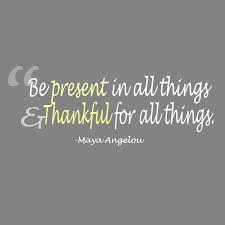
Joyful parenting….be mindful.
- Parenting is a gift….there is not doubt about it.
- It is a difficult job, no doubt about it.
- Days can feel very long and mundane no doubt about it.
- Society tells us we should be tired, we should be less happy raising children than our childless counter parts.
- Studies show us that stressed unhappy parents raise children who are less happy and satisfied with life.
- Remember that we cannot give our children that which we do not have. If we are not happy/joyful, we cannot give that happiness or joy to our children.
So how can we enjoy this wild ride of parenting and raise children in a home that is happy and joyful? How can we look at our day to day life and realize that yes, the days may be long; but the years really are very short. I often remind parents, there are only 936 weekends from birth to age 18! Wow!
I have 6 simple tips that I believe will help you navigate these 936 weeks between birth and age 18 (believe me you will parent well beyond age 18!) with grace and joy.
- Balance your life.
Each day plan how you will achieve 4 goals.
One goal for yourself
What can you do for yourself today? How can you fill your pitcher? An empty pitcher cannot give! What fills you up? Prayer? Exercise? Long bath? Journal? Hobby? Chatting with friends? Reading? Take 20 minutes a day to fill yourself. Actually set a goal for this and a plan!
One goal for your husband/significant other
We often lose connection with the most important person in our life during the child rearing years. We must concentrate on maintaining that relationship. What small act can you do each day to remind this person that you love them. A quick love note? Sticky note on the mirror? Special dinner? Some one on one time? A simple thank you? Actually set a goal for this and a plan!
One goal for your home
When our homes are in disarray, we often feel out of control. Plan one short task a day to keep your home in control. This can be wiping out the bathroom sinks, mopping a floor, dusting one room, cleaning out one drawer, changing your sheets…one 20 minute task each day. Do NOT try to clean your whole house in a day….one simple task. Actually set a goal for this and a plan!
One goal for your children
I know, you do things for your child every single moment of the day! But, if you plan something fun for each day this brings some joy. Plan one thing to do that is simply fun. The park? Library? A craft? Bake some cookies? Reading an extra story at bedtime? ….one simple activity. Actually set a goal for this and a plan!
2. Ignore behaviors that are irritating…react unemotionally with your discipline.
- Parents are trying to live up to standards that are often simply unattainable. We cannot provide endless attention and endless activities for our children. Children learn that behaviors such as whining, complaining, tantrums often result in more attention from Mom and Dad and even may result in more screen time or snacks as exhausted parents try to buy a little quiet. Remember, attention is attention to a child. Even negative attention with yelling or arguing is attention. I often tell parents that paying attention to whining or annoying behavior is like scratching a bug bite, it increases the itch! The more you pay attention to annoying behavior like whining….the more your child does it!
- Don’t negotiate. Children should have some input into decisions but at the end of the day you make the decisions. Toddlers and preschoolers need a simple explanation…not a dissertation. Teens will need a bit more discussion….but in the end the decision is yours. Once you begin the negotiation process, children think everything is up for debate. Give choices that are real and control over things children should have control over.
- Give your child grace…forgive and forget. Let go….. Overlook small misbehaviors and pick your battles. Always end with a hug after discipline.
3. Do the unexpected
- Break the rules……be a little silly. Stay in your PJs one whole day, have milk shakes for dinner, say yes a little more, celebrate everything! Try to learn from your child…learn to live in the moment. When they are playing they are not thinking about what is happening next or what happened yesterday. They are enjoying right down…we are at risk of missing joy when we are constantly in a rush.
- Give yourself grace…sometimes doing the unexpected is simply easier, and more fun. If doing the unexpected results in something not being accomplished on your list, give yourself grace. Remember the laundry basket is never empty.
4. Play more
- What is one activity or part of your day that you wish could be more fun or easier? What can you do to make it more fun? Work play into your day and enjoy it! Don’t think of the mess or the things on your list you are not doing. Remember to live in the moment and play is a child’s work!
5. Have less family screen time, put the phone away.
- Screen time, especially social media, can cause us to concentrate on it and detach us from the people who are with us in the moment. Less minutes on screens results in more moments “in the moment” with family and friends.
- Ask yourself what would happen if you were inaccessible for a period of time. Put down the phone.
6. Develop family traditions and rituals
- Tradition is the glue to your family. Traditions create fun and supports your family morals and values. Daily rituals and traditions bring stability to your child and family.
Recap….
Joyful parenting is a mindset…
- it is staying balanced,
- it is about playing, being silly and ignoring behavior that is simply irritating,
- it is about being mindful…keeping your mind in the moment and not on what is next or comparisons to others,
- it is about keeping your screen time to a minimum and concentrating on your husband, your child, and the life you have now,
- it is about letting your child be a child and not worrying about over scheduling and competitive parenting,
- it is about building a family with tradition and value,
- It is about giving yourself, your spouse and yes your child grace….
- Grace goes a long way in bringing peace and joy to you and your family. Remember….936 weekends.
Take a breath, enjoy the joyful moments of each day, and remember you don’t have to be perfect to be the perfect parent.
Cindy
“We always do that!” Why Family Tradition is Important!
Our “traditional” Christmas tree. A little more “perfectly” decorated than years past….there are ornaments even on the bottom of the tree now!
If we are smart we listen to our children when they say “That is how we always do it!” or “That is what we always do!” even when we have only done it that way one other time. Your child is not just talking about the good time he had, but the fact that it meant something to him and he thinks to you too. One of my favorite quotes is from the book The Little Prince by Antoine de Saint-Exupéry, “We live not by things, but the meaning of things.” It is not what you do or eat that is important, it is the meaning and feeling that comes with what you are doing that is so important to your child.
There are 3 important “anchors” in a family, our family values, our family rules, and our family rituals and traditions. If we don’t take time to develop each of these….we usually will run on a “default” mode of doing what is easy at the time. Being intentional as a family is very important.
Values… what is most important to your family. Values are what you want to pass to your children. For some families these values may center around religion, or the value of education, or the value of respect and kindness, or the value of taking care of our earth. In order for a value to become a part of your child there must be “rules, rituals and traditions” that follow these values. If religion is a value, your family might attend church together, participate in family prayer, and become involved in activities which reflect your beliefs. If education is a value, your family might read together, limit screen time and have rules regarding homework and effort in school. If kindness and respect are values, your family may have rules about conflict resolution, sharing, guidelines on the words that are spoken, and even family “missions” of kindness in the community.
Traditions and rituals are planned or intentional. These are family activities that have a purpose or meaning behind them and support your family values. Some are simply daily rituals, like bedtime routines and family dinners. Some are weekly rituals like Friday pizza nights or movie nights. Some occur with the season or with family milestones like the traditions of the holidays or 1st day of school pictures and birthdays. Some traditions are simply fun. These daily, weekly, and seasonal rituals and traditions tell your child what is important to your family. Some you plan to start…some happen accidentally and then you plan to repeat!
Creating your own special rituals and traditions now and repeating them throughout your child’s life will help your child feel secure, will provide stability, and a sense of pride and belonging to your family. Even during a family crises, the fact that a bedtime ritual or a Christmas celebration looks somewhat the same brings a sense of security and stability to a child and to you as a parent!
Four reasons tradition is important to a family:
1. Traditions help make life predictable. Rituals that are followed daily, weekly, and yearly such as family dinners, nightly stories, spring picnics, holiday songs etc. helps make children feel secure. Their world is often unpredictable—keeping things predictable at home gives security.
2. Traditions give families a time to connect. Life is busy and sometimes this can give families a feeling of disconnect. Family meals, stories, game nights etc. help us reconnect and start talking. Soon we know what is going on in our children’s lives. We know when there is exciting news, when there is difficulty, and when a child is happy or stressed. Traditions will also just bring simple fun….who doesn’t need a little of that!
3. Family traditions teach children family values. Service work, religious ceremonies, concern for the environment and many other values can be established through family traditions and rituals. These are values that when they are reinforced with traditional activities, your child will bring them with him to adulthood. The only way your child knows if something is valuable or important is through the activities that surround that value.
4. Traditions form a family identity and connection. A child who feels connected to his family may not look for other groups to identify with that may not be the best choice. All of us want to feel connected, and children will search for connection. Research shows us that children who have close family identity/connection have a better self image and are happier and more successful.
Traditions and rituals can be very simple…it is the act of repeating them, allowing them to change with your family’s “season in life” and keeping them fun that is key. If something is not fun or causes stress then let it go!
Don’t get hung up on creating the perfect rituals, let them happen naturally based on what your family enjoys and values. Many rituals and traditions just happen. The wonderful thing about a young family is that you have the opportunity to create your own unique family traditions and rituals from scratch. Some you will come up with on your own, some you will borrow from your childhood and some you will discard from your past, but the traditions you repeat will become part of who your unique family is.
Some suggestions to try during the holiday season:
- Take a drive in pajamas to see the holiday lights.
- Take a hike in a local park and find some natural decorations for your tree or to make other holiday decorations.
- Make a homemade Christmas tree ornament. Date it, and each year you will add to the collection.
- Bake Christmas cookies and share with friends and neighbors.
- Draw Secret Santas in the family. Each Secret Santa will complete a kind deed for the family member he or she drew.
- Have a traditional Christmas breakfast, or Christmas Eve dinner.
- Attend religious services together.
- Lay a piece of straw in the Baby Jesus’ bed each day if a child has done a good deed.
- Read a holiday story each night.
- Have a traditional Advent wreath or Advent calendar.
- Have a Christmas countdown chain. Make a construction paper chain and tear one link off each day until Christmas. Write an activity on each chain link that you will do that day.
- Camp out under your Christmas tree one night.
- Go caroling.
- Make a birthday cake for Jesus.
- String popcorn for your tree.
And the list can go on and on….share some of your favorite traditions and rituals!
Remember, family tradition endears your child to your family and establishes an everlasting family bond. The celebration, the meal, and the activities do not need to be perfect, the perfection comes from a celebration steeped in tradition and full of fun memories that draw a family together….that is perfection…
Take a breath, enjoy the joyful moments of each day, and remember you don’t have to be perfect to be the perfect parent.
Cindy
Parents, Let’s Raise Children Who Can Change the World

So many questions over the last few days. How can we do better? How do we make things different for our children?
Children are not born harboring prejudice or knowing how to bully or how to hurt another physically or emotionally. These are behaviors that are unfortunately learned. About age 2, children will start to notice differences. Children will innocently ask “Why does he have brown skin?” “Why can’t she walk?” “Why does her hair look funny?” Questions like these can result in a parent shushing their child, saying that is not a nice thing to say and never talking about the questions.
The preschool years are a wonderful time to talk with your child about differences that often divide people…skin color, gender, physical challenges, culture, and religious beliefs. This is the perfect time to have true impact on your child’s understanding of what is different and what is similar in all human beings. The way you answer these very honest observations and questions your child has will provide the basis for your child’s decisions, behaviors, and development of core beliefs about people. Children learn…who YOU think is beautiful, who YOU think is smart, who YOU think is good, who YOU thing is bad, who YOU think is strong, who YOU think is weak, who YOU think is scary and who YOU think is not. Your response to your child’s natural curiosity about what is different will result in your child’s development in judgement of others.
Your child learns by what they hear, see and even perceive in your behavior. Children’s questions are not impolite, they are moments of learning opportunities. We must learn how to counter-act the everyday influences on your child that result in prejudice and bias. Parents must answer children with real-life age appropriate honesty.
- Don’t deny differences. Discuss differences openly. Be diverse in the books you read, the videos you watch. Choose wisely so that children see many different people in many different roles.
- Don’t ignore your child’s questions or become upset. Children are curious without any intent to be cruel; they are simply observing and then questioning. If you react embarrassed or don’t respond, you send the message that different is negative.
- Be proud of your family heritage and our country. Teach your child about their family history and our country’s history, celebrate different cultures, talk about leaders from all races, genders, and ethnicities. Embrace the diversity around them.
- Expand your child’s circle. Be sure that your child has the benefit of knowing people of different backgrounds, cultures and experiences. This allows your child to see how similar we of the human race are….not how different.
- Empower your child to do what is right. Root your child in moral values. By age 3 children begin to learn about empathy and feelings. By age 7 children know what is right and what is wrong. Embrace the opportunity to speak to your child about how they impact those around them, how they can make a person feel with a simple word or action.
We as parents have the ability to change the world by raising our children in a way that embraces the very differences that currently divide us.
Take a breath, enjoy the joyful moments of each day, and remember you don’t have to be perfect to be the perfect parent.
Cindy

Simple steps to prevent childhood obesity…we can do it!

We all have heard that childhood obesity is a major health issue in our country. Children who are overweight will be more likely to be overweight adults and develop significant health issues. We hear so much in the media about what to eat, what not to eat, how to cook, how much exercise we all need, and frankly sometimes it is simply overwhelming to parents. We all are busy and many times the drive through at the fast food restaurant just calls our name at the end of a long day. We can develop healthy patterns as families to guide our children to healthy lifestyles. These healthy patterns can be simple…it is just getting started. So, parents….let’s get started!
Breastfeed when possible and no solid foods before 4 months of age…
- A study showed that when children were breastfed for at least four months, then the timing of solid food introduction did not affect the obesity rate of the child at age 3. Children who were never breastfed or who stopped breastfeeding before age 4 months and were given solid foods before the recommended 4 months of age were 6 times more likely to be obese by age 3.
Know where your child is…(know where you are too!)
- At your child’s 2 year old well child visit, your pediatrician will calculate his body mass index (BMI). This is a better indicator of weight issues than simply where your child is on the growth chart. A child with a BMI greater than the 85th percentile for his age and sex is overweight, a BMI greater than the 95th percentile determines that your child is obese.
- Children that have parents who are overweight have an increased risk to become overweight too.
Know what a serving size is….
Remember, children need child size portions! A tablespoon per year equals a serving. This is a simple guideline. For a child age 2 to 3:
- Grain Group: About 3 ounces of grains per day, half of them whole grains. That is about three regular slices of bread or one slice of bread plus 1/3 cup cold cereal and ¼ cup cooked rice or pasta.
- Vegetable Group: 1 cup raw and/or cooked vegetables per day. (no ketchup is not a vegetable J, but tomato pasta sauce counts!)
- Fruit Group: 1 cup fresh, frozen, canned, or dried. Juice should be kept at a minimum. Whole fruits are better than juice!
- Dairy Group: 2 cups per day. Whole milk is recommended for children younger than 2, low-fat after age 2.
- Meat and Beans Group: 2 ounces total per day. Options include one ounce of lean meat or chicken plus one egg or 1 ounce of fish plus ¼ cup of cooked beans (black, pinto, etc.).
- Oils: 3 teaspoons or less per day of liquid oil or margarine.
- For more information about eating plans and serving sizes for other aged children, visit MyPyramid.gov.
Provide two healthy snacks a day…
- Unhealthy snacks fill up small tummies so children don’t eat the nutrient dense foods they need. Try giving fruits and vegetables as snacks. These foods are low-calorie, high fiber, and full of vitamins and antioxidants. Giving these foods when your child is hungry encourages your child to give them a try.
- Juice should be at a minimum…and no soda at all!
- Keep healthy snacks in plain sight. A bowl of fruit on the counter, fresh cut up vegetables on the first shelf in the refrigerator, dried fruit and trail mix in the pantry.
- Don’t let your child eat because of boredom. If your child has eaten well and had a healthy snack but still is begging for more…then suggest another activity. Ask you child what he would like to do besides eat. Help your child distinguish between “I’m bored” and “I’m hungry.”
- Make snack time planned…no grazing throughout the day. Have your child sit on the floor or at the table for snack time. Mindless eating is an unhealthy habit!
Provide healthy choices at meals…
- Serve whole-grain breads and cereals.
- Whole milk until age 2 and then low-fat or skim milk after age 2.
- Full fat yogurt until age 2 and then lower sugar and low-fat yogurt.
- Serve lean meats like chicken, turkey, fish and lean beef cuts and pork cuts. Remove fat and skin.
- Bake, broil, poach, grill, or steam when preparing meat, fish, and chicken.
- Use vegetable oils like canola, corn, olive, and sunflower.
- Encourage fresh fruits and vegetables in season, frozen next and canned last. Have fruits and vegetables at EVERY meal.
- Limit fast food to an occasional meal only.
- Treats can include frozen fruit bars, frozen yogurt, low-fat pudding, angel food cake, graham crackers, vanilla wafers, and of course…the occasional Oreo! Balance and moderation are important to teach children so they do not “binge” later.
Don’t force your child to be members of the “Clean plate club”…
- Forcing children to eat everything that is put on their plates often leads to overeating.
- Focus on the quality of the food your child eats and no the quantity. Let your child learn what it feels like to be full and what it feels like to be hungry.
Get your child excited about healthy food….
- Go to local Farmer’s Markets and let them pick out fresh produce.
- Start a garden and grow some vegetables of your own.
- Give them age appropriate jobs in the kitchen. Letting children help prepare healthy foods encourages healthy eating and excitement!
- Get creative and expand everyone’s palates. Try new foods!
Eat breakfast every day…
- Start every day out right with a healthy breakfast. Children often eat their best meal of the day in the morning. Include healthy grains, fruits and proteins to give your child a great start.
- Children and adults who eat breakfast are less likely to be overweight.
Establish good sleep habits…
- Making sure your child gets good sleep can help prevent obesity! Research has shown that people who sleep less than the recommended amount gain weight faster. One theory is that fatigue decreases activity or may increase appetite.
Get your child active…60 minutes of active play at least every day…
- Get outside every day.
- Choose developmentally appropriate activities. Be careful about organized sports too early…burnout can happen. Let your child just be a kid and play!!!
- Provide active toys. You should have balls, jump ropes, bikes and other active toys.
- Be a role model. Build physical activity into your daily life so you can keep up with your children and feel better!
- Turn off the TV and limit computer time. The American Academy of Pediatrics recommends no more than 1 to 2 hours of total screen time a day after age 2. That includes video games, TV, movies, and computers.
There is so much that parents can do to prevent childhood obesity and lifelong weight issues and medical problems. Outdoor play, limited TV, limited fast food, healthy food choices, teaching appreciation for good foods, and soon everyone in the house is feeling better, having fun, and living a healthier lifestyle. We can do this Moms and Dads!
Take a breath, enjoy the joyful moments of each day, and remember you don’t have to be perfect to be the perfect parent.
Cindy
How much juice? None if under age 1!

Why would your child need a glass of juice? The short answer that the American Academy of Pediatrics (AAP) gives is almost never. While a juice box of 100% juice for an older child isn’t the worst thing to have, it certainly isn’t the best choice. The AAP recommends even stricter guidelines for juice in a child’s diet. The new pediatric recommendations for juice is NEVER before the age of one and very limited intake through the age of 18!
Fruits are an essential part of a child’s healthy diet, but juice is not. Even 100% juice! Juice has very little nutritional benefit, it is basically water and natural sugar. It is high in calories and low in nutritional benefit. A piece of fruit is eaten slower, has healthy fiber, and is more filling. Often we forget to count the calories of a drink, and a child can “fill up” with those quick calories and then decrease the amount of healthy food that is eaten. This may increase the risk of unhealthy weight gain.
If 100% juice is not the best choice for children, then fruit drinks are even worse! To be labeled fruit juice, it must be 100% juice. Any other drink or “juice box” that is not labeled 100% juice really is no better than soda. Many labels try to “fool” parents by stating it contains 100% juice! If it is not 100% juice it really is a sugar sweetened drink with high calories and no nutrition.
So what should our children be drinking?
- Breast milk or formula for the first full year of life. No juice, period. Small amounts of water can be introduced in a cup when solid foods are started.
- Children age 1 to 6 should consume no more than 4 ounces of juice a day in a cup with a snack or meal. Toddlers should not carry a sippy cup around with juice as it can result in dental decay. Fruit should be encouraged rather than juice. Water and milk only are adequate for fluid intake for toddlers and young children.
- Children age 7 to 12 can consume up to 8 ounces of juice a day, but fruit should be encouraged over juice. Water and milk are adequate for fluid intake for older children. Sports drinks usually are not necessary for most activities, they are high in sugar and calories.
What does this mean?
- Juice has no nutritional benefit for children younger than 1.
- Fruit is always a better choice than 100% fruit juice.
- Fruit drinks that are not 100% juice are no healthier than soda.
- Juice is not a good fluid choice for rehydration for a child who is dehydrated or has vomiting and diarrhea.
- Drinking too much juice may increase the risk of obesity in children and may decrease the amount of healthy food a child eats.
- Children over the age of 1 can drink 100% juice as part of a balanced diet that also includes whole fruits if they stay within the recommended amounts by the AAP.
So don’t introduce juice to your infant and offer it sparingly to your older children. Remind your children that low-fat milk and water are always the best choice. “Take back the snack” and encourage “snack parents” to provide water for young athletes after practices and the games. Control your refrigerator and cupboards, make fruit available and low-fat milk and water more available than juice. Make it easy for you and your child, steer clear of the “juice box aisle” at the store!
Take a breath, enjoy the joyful moments of each day, and remember you don’t have to be perfect to be the perfect parent.
Cindy
Baby Sign…How do you start?

Teach your child sign…help him express his feelings! The “I love you” sign can be used as a special sign for many years to come!
How do you start?
1. Familiarize yourself with signs through books, websites or other sources.
- There are many resources on the web…don’t try to learn all the signs, you will be starting with just a few!
2. Be realistic
- Feel free to start signing with your child at a young age, but most children aren’t able to communicate using signs until around 9 months at the earliest! (yes even your extremely smart, gifted child!:)) Children must be able to engage with you and then have the fine motor control to make the sign (or at least something similar to the sign). This will happen around that 9 or 10 month mark.
3. Choose a sign.
- Most parents choose a sign that involves eating such as milk, eat, more and all done. This will let your child to ask for things that he or she may need. These words give your child a bit of “power” to obtain things they want!
- You may also want to choose a few signs that may be exciting to your child. Words like Mommy, Daddy, and Dog or other words that are common in your child’s world.
- You will want to choose about three signs that you will work on with your child. Show the sign before, during and after the activity and every time you do the activity.
- There are a few websites that have pictures and directions for some of the most common signs a parent may use. A great site is http://www.babysignlanguage.com This site has a video showing each sign.
4. Make it interactive
- Hold your baby on your lap and try helping him make the signs with his hands. Talk while signing to give the sign context or meaning. Remember, your baby will be able to understand your words and the sign before he will be able to make the sign!
5. Be consistent.
- Use the sign every time you do the activity. Consistency is the key. If you are giving your baby milk, sign and say “milk”, give your baby a bottle or nurse and sign and say “milk” several times while your baby is eating.
- Work the signing into everyday life. Don’t just sign at home–sign when you are out and about and encourage anyone who is with your child consistently to use the signs too.
6. Use your chosen signs until your baby begins to sign back to you.
- When your baby connects or understands a sign, then you may choose another sign and start the process over. Do not drop the signs your baby has learned. The more signs your baby learns, the easier it will be for him to pick up new ones. As soon as your baby links the sign to the word, the flood gates tend to open! Suddenly your child will begin to pick up on new signs readily. This is how verbal expressive language develops too!
7. Expect your child to recognize a sign before he can actually sign it back to you.
- This is just like the spoken word. A child will understand a sign or a word before he or she is able to sign the word or speak it. Don’t give up, keep signing. You will start to see your child get excited when you sign “milk”, “eat”, or “book” as your child understands what the sign means.
8. Expect that your child may start out using the same sign for several things.
- This is like verbal expression when a child uses the word Ma Ma for every female adult. Do not become frustrated. Continue to be consistent in the signing and your child will “get it”.
9. Expect a signing increase when a child realizes that a sign will get him something!
- Your child will start to soak up signs like a sponge–just as he will when he becomes verbal. It is so exciting to see your child get excited about communicating.
10. Be happy, sign with enthusiasm.
- An excited parent who signs will make a child want to sign.
- Read books and sign as you read. Show your child the sign for animals, cars, trucks, whatever you are reading about! Pick out signs that your child is interested in!
- Be expressive. Use your face, body and hands when you sign. Make it fun and interesting. Make good eye contact with your child when you sign.
- Play games to encourage signing. Blow bubbles outside and then stop, push your child in a swing and then stop, and then sign the word “more”. Introduce the sign for “please” and “thank you”. This early introduction to manners will continue when your child is verbal.
11. Be open to interpretation.
- Your child will not make a sign correctly the first time–just like learning to talk. Get excited with any general attempt at the sign, then show the correct sign to your child as you say the word.
- Reinforce any sign your child attempts, as your child develops better fine motor skills, the signing will become more clear.
12. Praise.
- Be excited when your baby signs words! Give lots of positive reinforcement for any attempt!
13. Be patient.
- Babies can take weeks or even months before they make their first sign.
- The perfect time to start is about age 6 months, many babies will attempt their first sign at about 9 to 10 months.
- It is never too late to start signing. Children who are very frustrated because of a lack of communication between 16 and 30 months will pick up sign language quickly.
14. Keep Talking!!
- Sign should never replace words! Spoken words are important for language development. Talk and sign….then talk some more! The number of words your child hears is directly related to language development. Let your child see your mouth as you speak and your hands as you sign. Face to face interaction is important for their language development and helping children understand emotions.
Children often will lose the sign as the verbal word is developed; but you can keep the signs by continuing to use them with the word . Use of signs is a great way to get messages to your child when you are not in speaking distance or are in a crowd. How nice it is to sign the word “potty” without having to yell it across the room! More wonderful is seeing my kids sign “I love you” out the car window as they drive off!
Take a breath, enjoy the joyful moments of each day, and remember you don’t have to be perfect to be the perfect parent.
Cindy
Parenting tips…day three!

Final tips….add your own to the list!
31. Respect your child’s likes and dislikes
- Allow your child to develop their own passions, likes, and dislikes.
- Provide opportunity for your child to experience many things to discover passions, likes, and dislikes.
- Your child may not like the same things that you do, and that is OK!
32. Be a team with dad and other people who parent your child
- Don’t be a gatekeeper, allow Dad or other important people in your child’s life to participate in parenting.
- Realize that there is benefit in doing things differently, different is not always wrong.
- Have a united front with Dad; this gives your child a clear message of expectations. Never disagree about parenting issues in front of your child.
- Parents, who are not on the same page, will be manipulated.
33. Always set expectations
- Defining your expectations helps your child determine expected behavior.
- Setting expectations beforehand gives better results.
- Frequent discussions about what you expect from your child helps him or her develop a good moral compass.
34. Teach basic manners by example
- Manners and respectful behavior will help your child be successful.
- Your behavior that your child observes is more important than the words you speak.
- Make sure that your actions show respect of your child.
- Provide the example of gratitude.
35. Talk quieter—not louder when you are very upset
- This will defuse a frustrating or angry situation.
- Everyone will remain calmer if voices are quieter.
- Your child will have to calm down in order to hear you.
- Yelling usually accomplishes nothing.
36. Use discipline in public, and if your child has a meltdown, leave
- Following through on discipline in public will allow you to leave your home!!
- Children learn very quickly when and where you will not follow through with consequences…and they will behave accordingly.
37. Sometimes look the other way
- Your child will hear “no” many times, save it for the important things.
- Pick your battles, some are not important enough to pick!
38. Don’t reward everything. Let your child learn the valuable lesson of being proud of himself .
- Let your child develop an inner drive to success.
- Constant rewards and praise result in a child that is externally motivated, driven by the outside things.
- Internal motivation results in a child who does the right thing because it feels good, not because he will “get something” in the end.
39. Know your child’s friends, open up your home to them
- Knowing who your child’s friends are gives you a glimpse of their life away from you.
- Know the parents of your child’s friends; parenting together gives you a sounding board and more parenting power.
40. Forgive yourself for not being the perfect parent
- Your child does not expect or need perfection.
- Being too hard on yourself, makes you not trust your parenting.
- Expecting perfection from yourself sets the example for your child that only perfection is acceptable.
- We only need to be “good enough”…not perfect. Lighten up, there is always room for silliness.
- Unconditional love trumps parenting imperfections!
41. Some things are not worth the worry
- Being a parent should not doom your life to worry.
- Don’t sweat the small stuff.
- No child will starve themselves, temper tantrums are part of childhood, embarrassing behavior happens, you can’t protect your child from every illness and injury, and your child can be happy without the latest and best video game or pair of jeans….and many, many more worries that are not worth the energy!
42. Teach good sleep habits and early bedtimes
- Adequate sleep makes everything look better.
- Children are wired early to bed early to rise.
- Early bedtimes provide evenings for you to refill, recharge, and reconnect.
43. Don’t view your child’s life through a camera lens
- Documenting your child’s life in pictures is important, but don’t miss the moment by trying to always have the perfect picture.
- Step away from the camera and really enjoy the moment.
- Sometimes the memory is better when you are actually playing in the pool with your child and not photographing it!
44. Don’t wish time away
- Don’t keep thinking life will be better when…..my baby sleeps through the night, my child is potty trained, my child is in school all day—with every stage is a new challenge and a new joy.
- Enjoy each moment and each stage…they are all special.
45. Keep it simple…working at parenting too hard or making it too complicated robs the simple joy!
Let’s make this an even 50! What are your tips to share with others? Share your wisdom…and help us all to enjoy every challenge and every joy of being a parent. Like Raising Kids with Love on Facebook and join in the conversation!
Take a breath, enjoy the joyful moments of each day, and remember you don’t have to be perfect to be the perfect parent.
Cindy
More parenting tips….

A few more tips that I found out work over my 30 years and counting of parenting….what are your tips?
16. You are your child’s parent, not friend
- You must parent, which means you may not always be liked
- Making difficult decisions that may cause your child to be unhappy at the moment, is the definition of a good parent
17. Nagging does not work
- Saying “pick up your shoes” 100 times will not make it any more likely to happen
18. Don’t buy a lot of “things” for your children
- Buying does not equal love
- Your child does not need a lot of things
- There will be a new “gotta have it” every week
20. Don’t feel like you must always play with your child
- Time with your child is important, but your child must learn how to play without you. This builds self-confidence, ingenuity, and your child will learn how to “work his world”.
21. Don’t over schedule
- Your child does not need to be involved in every lesson, sport, and club to become successful.
- Down time is important to children, our children are often over stimulated and overly tired.
- Teach your child the art of being alone….turn off the technology and be comfortable with alone time.
22. Eat together as often as you can
- Meals together reconnect a family.
- Families who eat together have children that are more successful and less likely to be involved in alcohol and drugs.
- Remember, a family meal can be a frozen pizza!
- Breakfast counts as a family meal too!
- Make at least one meal a week together a must.
23. Have family fun together
- Plan activities together. Don’t fall into the habit of everyone going their separate ways. Family time builds connectivity.
- Children that have a strong family identity have higher self-esteem.
- Read and play board games, go back to the basics for family time.
- Children remember the good in family time–even if it seems like a trip or outing was disastrous!
24. Establish family traditions and rituals
- Tradition and ritual defines a family.
- Tradition endears your child to home.
- “That is how we always do it” means it is important!
- Allow your child to finish a task on his own.
- Allow your child to experience consequence for behaviors.
- Do not “rescue” your child from every hardship.
- Let your child do his own homework and projects.
- Give your child age appropriate responsibilities.
26. Parent with your heart and gut
- Experts are great, but don’t rely only on what you hear and read, trust yourself.
- If it doesn’t feel right, then it probably isn’t.
- What is right for your family may be different from what is right for your next door neighbor’s family.
27. Attention is attention, whether it is positive or negative
- Your child wants your attention, whether it is negative or positive.
- Lots of talk about negative behavior gives that behavior lots of attention.
- Try to give most of your attention to positive behaviors, not negative.
28. Love all your children but treat them differently
- Do not try to treat each of your children exactly the same.
- Every child needs something different from you as a parent.
- Have the same rules in your home–but your approach to those rules may be different with each child.
- Trying to keep things “equal” often increases sibling rivalry, give every child what he needs when he needs it.
29. Keep TVs and computers out of bedrooms
- Parents must monitor their child’s exposure to TV, computer, and video games.
- There is never a good reason to have a TV in your child’s bedroom; it decreases family interaction, reading, and creativity.
- Keep the computer out in an area that is full of family activity.
- Know what websites your child has been using.
- Be tech savvy, your kids will be!
30. Know when to let go
- There are times when you must trust your child–and let go.
The last few tomorrow…join in this conversation! What are your favorite parenting tips?! We all have them, share so we can all benefit from each other. Like Raising Kids with Love on Facebook and join in the parenting talk!
Take a breath, enjoy the joyful moments of each day, and remember you don’t have to be perfect to be the perfect parent.
Cindy
 raisingkidswithlove