What should be in your child’s playroom?
The Holiday Season is here and the shopping has begun! I was in Target this past weekend, the toy choices are overwhelming and expensive! What are the best toys for your child? Which toys will be fun and valuable for your child’s development? It is difficult to decide what toys are the best choice!
I can remember feeling like toys in our house multiplied every night. SURELY we didn’t have THAT many stuffed animals yesterday! Too many toys results in a child who doesn’t play with anything well, they become overwhelmed with the number of toys. Parents also can fall into the trap of buying the newest flashiest toy on the market. We all love our kids, so why wouldn’t we stand in line to buy the “most popular” toy of the season? Many of these flashy toys encourage a child to play passively, using no imagination or creativity. Toys should allow a child to play in several different ways. A child should be able to decide how to play with a toy, the toy should not determine how a child plays. Play is a child’s work, it is through play that a child learns how the world works. As you make that holiday wish list, here are what I think every child needs in his playroom. You might be surprised!
- Blocks and construction type toys
Wooden blocks, cardboard bricks, Legos, and magnetic tiles are all great choices. Depending on your child’s age, you will see children build towers, knock towers over, sort blocks by color, create designs, make roads for cars and tracks for trains and more.
- Art supplies
Creative juices start flowing when a child has a blank piece of paper, crayons, paints, markers, stickers, scissors and any other item you can find in the craft aisle to help with their masterpiece. Blank paper rather than coloring books will provide more encouragement for a child to create. Children age 2 and older love to create on an easel which allows for larger muscle movement which makes drawing and painting easier.
- Books….lots of them!
Provide books in bins so children can see the front of them. The front of the book will interest a child more than the words on the spine of the book on a shelf. Provide books that have flaps, pop ups, and colorful pictures. A corner with a small chair or big floor pillow encourages reading.
- Play kitchen supplies and other child sized house hold items like keys, phones, brooms, rakes etc.
If space allows, a play kitchen is a great investment. Play food, dishes and utensils and other child sized household items encourages great imaginative play and cooperative play with others.
- Doll stroller or shopping cart
All children like to push dolls, stuffed animals, and other toys around. Toddlers and preschoolers are “gatherers” and a doll stroller or shopping cart provides a way for them to collect “treasures” on walks outside or around your home.
- Dress up clothes
Role play is a great way to encourage imagination and development of social skills and empathy. Keep those Halloween costumes out all year in an easily accessible dress up box.
- Puzzles
Puzzles help a child learn to problem solve, develop patience, practice persistence, and develop spatial awareness.
- Medical kit
Play helps a child work through scary or anxiety producing experiences. All children like to give Teddy or Baby a check up and/or shot after a visit to the doctor.
- Musical instruments
Children love to create music. Drums, xylophones, tambourines, shakers all help develop rhythm and a love of music. Children exposed to music and rhythm often are more successful in Math!
- Tools and play household items like a broom, vacuum, lawn mower etc.
Boys and girls love to hammer and build with “tools”. Allow your child to build. This is the basis of STEM education. Children also love to take on the roles they see at home, let them participate in chores and pretend with toys that look like Mom and Dad’s tools. A Swiffer or dust cloth is fun too!
- Tent or play house
Children love small places to hide, read, play quietly or play house, school, or camping. This play house or tent could be as simple as a large box or a blanket thrown over a card table.
- Dolls/stuffed animals
Playing with dolls or stuffed animals fosters empathy development. Pretend role play of Mommy and Daddy is very important.
- Balls
Throwing, catching, kicking are all developmental milestones. Simple games with balls introduces cooperative play, taking turns and helps with fine and gross motor development.
- Shape sorter
This is a basic toy that will grow with your child. Young toddlers will fill and dump, older toddlers will sort by shape and color, and often children will use it to gather other items. Another great sorting tool is your kitchen muffin tins! Have your child sort different cereals, different colored pompons, or any other item!
- Stacking cups
This less than $10.00 toy is a bargain! This will last a child from 6 months through preschool. Children bang them, stack them, pour and dump water and sand, “drink” from them and learn size and volume with them!
- Clay/Play-dough
Children will love to squish, roll, and create with clay. The use of hands to roll and shape creations develops fine motors skills used for writing.
- Pedal powered ride on toy
Learning to pedal is a developmental milestone for 2 to 3 year olds. Ride on toys get children needed outdoor time and exercise along with development of coordination.
- Cars, trucks, and or train
Children love toys that move. Purchase cars, trucks, and trains that are easy to handle and run on “kid power”.
- Farm or other toy with animals
Farm animals, dinosaurs, and/or zoo animals are a great way for children to learn about animals, habitats, and encourages imaginative play. Dinosaurs are often a favorite too!
- Family games
Even preschooler can participate in family games. Think Candyland! (not my favorite, but there are many choices out there!) Board games help a child develop skills in handling winning and losing, taking turns, and cooperative play. Board games are much more valuable than video games which do not provide as much person to person interaction.
And yes, sometimes just a large box or two, plastic containers or a few laundry baskets will provide hours of entertainment and imaginative play for your child! Toys do not need to be expensive! Remember that a toy is only valuable if your child plays with it! Quality is more important than quantity of toys. Often the best toys don’t come with batteries. And most important, allow your child to play freely…a child who plays well is learning!
Take a breath, enjoy the joyful moments of each day, and remember you don’t have to be perfect to be the perfect parent.
Cindy

“Sleep like a baby” Really?

Establishing a calming routine before bed is important!
When I brought our oldest Corri home from the hospital, I thought I knew about the sleep patterns of infants. After all, I had the degrees to prove that I was an “educated” Mom! The truth is, nothing can prepare you for the lack of sleep that new parents usually experience. Quickly my plans to reorganize my closets during Corri’s long daytime naps (don’t newborns sleep all the time?) went by the way side. Yes, newborns DO sleep a lot…just in very short intervals. Corri never slept long enough for any reorganization of closets, and when she did sleep I was too tired to reorganize. Oh, the lessons of a new parent!
Sleep is VERY important for our babies, and for you! There are some sleep tips for new parents that will help your baby “learn” to sleep and establish good patterns for the future. I firmly believe that our children are largely sleep deprived because of our busy schedules. Good sleep is essential for healthy children, clear through the teen years! Many of the healthy sleep habits you establish with your young children will result in healthy sleep habits for a lifetime.
The first 3 months of a baby’s life there is no real routine. Anything that you read that tells you that you can establish or “force” routine at this age is mistaken. I do not think that baby sleep training books are valuable at this age, and they can really be destructive to your baby’s establishment of good sleep habits. Your job as a parent during the first year is to help your baby realize that the world is a great place! When your baby cries, you need to respond. Baby will quickly learn to trust you and feel loved. You cannot spoil a newborn! You CAN spoil an older child, but that discussion is for another day!
Newborn sleep patterns are different from adults. They have sleep cycles that are much shorter than ours, and have longer patterns of active sleep rather than deep sleep, especially in the first 3 months. Parents often complain that their infant will “cat nap” . This is a fairly normal pattern during the first 3 months of life. Very young infants do not know how to self soothe either. Those skills develop after the first 3 months also. Here are a few tips that will help establish good sleep habits for the future. Remember, there is light at the end of the tunnel, life will become easier after the first few months.
1. Know your baby’s sleep cues…do not let your baby become over tired.
Most parents in the beginning have a bit of a difficult time learning sleep cues. Newborn babies should not be up longer than an hour and a half to two hours maximum. If your baby becomes overly tired, it is much more difficult for your baby to sleep! Look for your baby to rub at his or her eyes, begin to blank stare and not engage, yawn, and fuss. When you see some cues, take a look at the length of time your baby has been awake. The next time your baby is awake, start the process of putting him or her down for a nap 15 minutes earlier. This way you never miss the window of opportunity, an overstimulated baby does not sleep well. You often will feel like all you have time for is a feeding, a diaper change, a small amount of interaction and then your baby is ready to sleep again!
2. Swaddle your baby.
Newborns until the end of the 4th month have a reflex that causes them to startle. You often will see your baby twitch, grimace, have a sweet sleep grin and jump during the early active sleep pattern. The twitching and jumping or moro reflex as it is called, will wake your baby. If you swaddle using a light blanket or a swaddle sleep sack, your baby will not wake with a startle as often and will feel more secure. Many moms and dads will tell me their baby does not like the swaddle. I encourage you to try it again. Try swaddling your baby before a nursing or feeding, or before you begin to rock your child to calm. Most of the time babies will relax into the swaddle and love it! They look like a cute baby burrito!
3. Try white noise.
Babies heard white noise inside mom’s womb during the entire pregnancy. This sound is very calming to a newborn. My 2nd daughter loved the sound of a blow dryer. She was a fussy baby, and quickly my blow dryer became part of the decor of my family room. Now, there are white noise machines, white noise phone apps, and white noise CDs that parents swear by, a much better look than the blow dryer! White noise can be part of a “switch” that helps soothe a fussy baby. You might even try getting your face down by your baby’s ear and “shsh shsh shsh”, which will work too.
4. Provide day and night light rhythm.
Many newborns get their days and nights mixed up. There is nothing worse than an infant that sleeps well during the day and is up all night! Moms often notice that babies before birth are more active at night too! To help your baby learn the day and night pattern, keep the daytime hours light with normal noise patterns in your home. Light on our eyes helps to cue our bodies to when it is time to be awake and when it is time to be asleep. That is part of the reason we feel so sleepy during the gloom of dark winter days! Stand in front of a window with your baby and expose your baby to natural light. Do not darken the rooms for your baby to nap during the day and keep regular noise in the house. No tip toeing! In the evening, start to dim lights and keep things calm and quiet about an hour before “bedtime”. Then with every nighttime feeding keep the room dark, do not change the diaper unless it is dirty, and do not interact. Just feed your baby and put back to bed. Eventually your baby will learn the difference between day and night and sleep more soundly and longer during the night hours. This pattern of day and night will help older children and adults fall to sleep more easily too!
5. Wake your baby to eat during the day.
Do not let your baby sleep longer than 3 hours during the day. Wake your baby to eat, and unless your doctor advises you differently, never wake a sleeping baby at night! You want your baby to receive most of their nutrition during the waking hours, and less at night.
6. Move with your baby!
Movement will calm a baby to sleep. Rocking, swinging, and wearing your baby will all help lull your little one into a deep sleep pattern. Rocking to sleep is fine in the early months. Many parents have a hard time transitioning from the swing or arms to bed without the baby waking. Do the limp arm test! Remember that babies have a very active sleep pattern before they move into a deep sleep. If you try to transfer when your little one is still grimacing, sleep grinning, or you see rapid eye movement under closed eye lids, most likely your baby will wake quickly. Rock or provide movement until your baby has transitioned from the active sleep pattern to a deep sleep. You will be able to pick up your baby’s arm and feel that it is limp. When you see that, then it is much easier to place your baby in the crib and your baby stay asleep.
7. Use a pacifier.
Babies need to suck many times to sleep soundly. The American Academy of Pediatrics recommends using a pacifier at sleep as a deterrent to SIDS. Sucking calms a baby. A baby that tends to become over stimulated easily often needs more suck time. I am a big believer in the pacifier or a thumb or finger sucker resulting in a calm baby. We can worry about the habit later!
8. Establish a sleep routine.
The earlier your baby connects routine with sleep the better. Do the same thing every time you put your baby to bed and quickly your child will connect those activities with sleep. This pattern will develop good sleep patterns all the way to adulthood! So, plan the feeding, bathing, massage, rocking, singing, reading pattern that works for you! Keep the routine simple and repeatable. The bedtime or nap time routine should not be longer than about 20 minutes. You can establish a bedtime for your baby even though you know you will be up again! Just treat every feeding after “bedtime” as a night-time feeding. Children in general are wired early to bed early to rise! Have an early bedtime for a good sleeper and for you to have an evening of “adult time”.
9. Do not let your baby “cry it out” until after 6 months.
The first 6 months parents need to respond to a crying baby at night. After 6 months, most babies are developmentally ready to sleep a stretch through the night. When you are emotionally ready and after your baby is at least 6 months old, you can do the “baby shuffle” and check on your baby every 5 to 10 minutes without picking your baby up. Comfort your baby with a “shh” go to sleep, a pat and then leave. The first night you may be “shuffling” in and out of the nursery for an hour or more. The 2nd night will be shorter and usually by the 3rd or 4th night your baby will comfort to sleep on his or her own. You must be consistent and not give in. Soon you will put a drowsy baby to bed and your baby will be able to fall asleep without your assistance!
10. Even with doing all the “right things” babies have sleep disturbances.
Children will have periods of sleep disturbances through all developmental stages. With each new skill a baby learns, example rolling over, there will often be a sleep pattern disturbance. Babies like to practice at night! There is also teething, separation anxiety, illness….many reasons you will see disturbances even when you are doing all the right things in establishing good sleep patterns. Always go back to the basics each time. Good sleep is essential! Teaching healthy sleep patterns is a huge gift to your child, and you!
Soon you will be getting longer stretches of sleep….until those darn teen years creep up and you find yourself waiting up for your child! That is another issue another day! 🙂
Take a breath, enjoy the joyful moments of each day, and remember you don’t have to be perfect to be the perfect parent.
Cindy
I love these sleep resources:
Sleep What Every Parent Needs to Know
American Academy of Pediatrics Rachel Y. Moon, MD, FAAP Editor in Chief
The No-Cry Sleep Solution
Elizabeth Pantley
The Happiest Baby on the Block
Dr. Harvey Karp
Sweet Dreams
Paul M Fleiss, M.D., M.P.H., F.A.A.P
Sleep…we all want it and need it!

Sleep…when you don’t have it that is when you realize how much you miss it, at least for adults! I can remember those days when all 4 kids were small, and sleep was a precious commodity. There were some mornings that I looked at the clock when I woke up and counted how many hours until I could sleep again! There were always those nights that were either too short or at least too interrupted to feel rested. If I wasn’t rested, at least one child wasn’t either. That is not a good combination, a tired Mom and a tired child usually makes a long day. It is so frustrating to know that your child is tired, but just can’t settle to sleep, there is no “on/off” switch for kids! If there was, I would have flipped it “off” on many occasions!
Sleep is so important for children; it is a true health issue. Families are so busy that often sleep is not a priority, and it needs to be! Not “depositing” valuable sleep into your child’s “sleep bank” can result in sleep deprivation, and that can cause real problems for you and your child’s development.
Dr. Marc Weissbluth MD is one of my favorite sleep experts. His book Healthy Sleep Habits, Happy Child is one of my “go to” books for sleep questions. He tells us that:
“Sleep is the power source that keeps your mind alert and calm. Every night and at every nap, sleep recharges the brain’s battery. Sleeping well increases brainpower just as weight lifting builds stronger muscles, because sleeping well increases your attention span and allows you to be physically relaxed and mentally alert at the same time. Then you are at your personal best.”
So healthy sleep includes the correct amount, sleep time that is uninterrupted or good quality, and age appropriate naps. Children who are not getting the proper amount or quality of sleep can be over stimulated, whiny, aggressive, hyperactive, and chronic sleep deprivation may even affect the neurological development of a child.
So, how long should your child sleep?
Newborn to 2 months 16-18 hours in a 24 hour period 3-5 naps a day
2 to 4 months 14-16 hours in a 24 hour period 3 naps a day
4 to 6 months 14-15 hours in a 24 hour period 3 naps a day
6 to 9 months 14 hours in a 24 hour period 2 naps a day
9 to 12 months 14 hours in a 24 hour period 2 naps a day
12 to 18 months 13 – 14 hours in a 24 hour period 1-2 naps a day
18 months to 2 years 13 – 14 hours in a 24 hour period 1 nap a day
2 – 3 years 13 – 14 hours in a 24 hour period 1 nap a day
3 – 5 years 11 – 13 hours in a 24 hour period maybe 1 nap a day
Remember…this is a guideline but most children will fall within these guidelines. Most parents under estimate the number of hours of sleep their child needs.
Your child’s quality of sleep is important. Your little one must be able to cycle through the stages of sleep to get the optimal benefit from sleep. The quality of sleep is what is so important in your child’s neurological development.
Now I hear parents saying…”How can I make my child sleep?” The truth is, you can’t. You can make it easier for your child to fall asleep and stay asleep but you can’t force sleep. All children have a rhythm to their sleep pattern. In the first few months that rhythm is almost non existent. As your baby approaches the end of the 3rd month, you will begin to see a bit of predictability and rhythm. When you help your child find his or her rhythm with a calm routine and by watching for sleep cues, then your child’s sleep becomes deeper and more effective. A rested child sleeps better….a child who sleeps better is more rested…it is a cycle.
So, as parents we must protect our child’s sleep. We help our children establish good sleep habits…it is so much easier to form good habits than break bad ones! So, give sleep the importance that it is due and your life will be easier and your child will be healthier, happier, less demanding, and more fun to be around. The bonus will be that you might get a little more sleep too!
Stay tuned all week for tips on forming good sleep habits, breaking bad sleep habits, and tools to tackle sleep strategies for your child. Maybe a little bedtime reading for you! 🙂
Take a breath, enjoy the joyful moments of each day, and remember you don’t have to be perfect to be the perfect parent.
Cindy

Are the “Magic Words” still important?

Why is it that so often when you want your child to be on his or her best behavior…the most embarrassing things happen? (Remind me to write about my son when he was 2 1/2 and dinner with our parish priest…long story) Simply, because children are not born with manners…and the development of manners is a process, a LONG process, a LONG and IMPORTANT process. This process of learning the all important life skill of manners is much easier when started very young during formative years. Words like “please” , “thank you”, “ excuse me”, and “I’m sorry” need to be taught, practiced, and modeled at home from the time your child is a baby.
Manners really help shape a person’s character, help increase a person’s self confidence, and definitely help make a person more likeable. Manners are a part of most successful people’s lives. People that naturally practice good manners have less focus on “self” and more focus on the respect of others. That is what I want for my children! Manners are so much more than just please and thank you!
Our children are exposed to very different social norms today. Society is very open and allows honest expression of feelings. I agree that honest expression is important, but we need to teach our children ways to respect the needs and feelings of others while still expressing their own feelings and needs.
I think some of our pop culture actually rewards disrespect. Some of the most popular TV shows, popular music, and professional athletes glorify being rude and disrespectful…it has suddenly become “cool”. As parents, it is our role to provide teachable moments so our children more often hear and see what is polite and respectful rather than what society may be teaching is the norm and “cool”.
So the fact is, no one is born polite. In fact children, especially toddlers, tend to throw fits, grab toys, throw food, and display very few if any glimpses of manners…and we parents should not expect it! Developmentally toddlers are not naturally polite! However, your teen will not be polite either if you don’t start introducing the concept of manners and respect at a young age.
Where do you begin?
Between the age of 6 and 12 months begin with The Magic Words….
“Please” “Thank you” and “Excuse me”
Saying please and thank you is usually the first bit of manners parents begin to teach. You can begin this before your child is verbal. Many parents teach the sign for “please” and “thank you” starting at about 6 to 9 months of age. I see many of the youngest toddlers in my parenting groups sign “please” before getting their snack! Parents should always prompt, “What do we say?” or “Say please!” or “Say thank you!” If your toddler aged child does not respond, then you should say the words and provide the sign for your toddler. Soon, “please” and “thank you” will become a part of who your child is…and will be words that are used by habit.
Saying “Excuse me” when interrupting, bumping into someone, or (heaven forbid) making a bodily noise (which is hysterically funny for young boys especially) will also serve your child well. Once again, forming the habit early and modeling the behavior for your child is essential.
“Play nice” “Gentle Hands” and “Share”
Toddlers are incapable of playing cooperatively and sharing nicely. Preschoolers should have begun to master those concepts, but that will only happen with teaching and modeling the acceptable behavior. When you begin to see your older infant or young toddler grab, push, or hit…respond with “Gentle hands. Let’s play nice and share.” Help your child share by trading the toys back, helping him take turns, and praising him for cooperating. Toddlers who hit, shove, or bite when angry should immediately “take a break” or in other words a “time out”. As you play with your child, trade toys back and forth, offer to share, model gentle touch and the behavior you want your child to learn. After much practice, children will begin to learn how to play cooperatively, share, and respond with words rather than physical action.
“I am sorry”
Few words are more important in life than these. Teaching your child to apologize when he or she is wrong or behaves in a way that is not respectful is an essential piece of manners. Those words must be modeled by parents; apologizing to your child is essential to your child learning what a true apology is. Again, teaching the sign for “sorry” can be the start. Helping your child say “sorry” when necessary is also key. If your child hurts another child or takes a toy, help your child apologize by prompting your child to sign or say the words, or say the words for him “John is sorry he shoved you, Mary.” Talk about how saying sorry helps the hurt go away.
Talk and read about manners and respectful behavior every day. Some of my favorite books to introduce respectful behavior and manners to toddlers are:
Manners Time (Toddler Tools) and Sharing Time (Toddler Tools ) by: Elizabeth Verdick and Marieka Heinlen
Perfect Pigs an Introduction to Manners by: Marc Brown and Stephen Krensky
OOPS , Sorry! A First Book of Manners by: Richard Morgan
My Very First Book of Manners by: Michal Sparks
No Slurping, Little Pig! A book About Table Manners by: Sue Kueffner
Take a breath, enjoy the joyful moments of each day, and remember you don’t have to be perfect to be the perfect parent.
Cindy
My life is like a laundry basket….
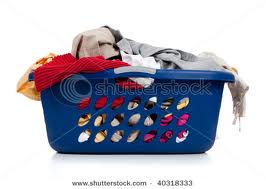
My life is like a laundry basket. Wow, that does not sound too terribly profound or exciting! I came to that conclusion this morning as I carried a meager load to the laundry room before work. I looked at my basket and it was nearly empty. For whatever reason, my laundry basket has been a thermometer of my stress level as a Mom. I can remember thinking, if I can just get this laundry under control I will be able to breathe! It seemed that every time I could almost see the bottom of the basket, or some days the laundry room floor, another load of clothes would just show up! When all 4 kids were small, the basket was always full of little socks, onesies, outfits with spit up, and wet little underwear of the child who was currently being potty trained. Soon, that laundry room was full of white shirts, plaid skirts, and navy pants as the 4 kids were in grade school uniforms. The high school days brought more laundry…and very smelly laundry. I had sweaty socks, running shorts and shirts and the dreaded football practice pants and jersey that literally “walked” into the laundry room on Friday afternoons after a week of sitting in a football locker. I would wash and fold and then see those same sweaty smelly socks (inside out, my pet peeve) return the next day it seemed.
Soon that basket began to empty. As one child after another left for college, but it was only temporary. Believe me, the laundry would come home again on breaks and for the summer. When the college kid came home, I was greeted with a hug and a lot of laundry that needed a little extra stain stick, a little hotter water, and a little better folding.
This morning my basket was nearly empty. It has been that way for most of this year as Brad and I have entered that “empty nester” phase. It seemed strange at first to have that nearly empty basket, but Brad and I have really enjoyed many of the perks of getting used to just the two of us again. Well guess what, I will soon have adult children visiting. As I stand in the laundry room I get a little flood of excitement about what the next few weeks will bring. We will have some activity in the house, noise after 10:00 pm, a few extra friends that drop by and raid my pantry, a little bigger grocery bill, a dinner table with a few more plates and a couple of kids that will actually want me to cook, some late night conversations about life, bathrooms with toothpaste on the mirror again, conversations about picking clothes up off the floor, a few more cars in the drive, and yes….all the “stuff” they bring home in bins, bags, and boxes. Do you know what else? My laundry basket will be full again, and I can hardly wait.
Take a breath, enjoy the joyful moments of each day, and remember you don’t have to be perfect to be the perfect parent.
Cindy
Tell the people you love, “You rock!”
Don’t just tell your kids they “rock”…tell them why!
A little “blast from the past”….but a good message to remember….reposting this!
I was getting ready to mail a card to my college aged kids the other day. I try to send a “snail mail” card every couple of weeks. I have a lot of contact with my college kids by texting and cell phones, but there is something about that written piece of mail in a mailbox that I think kids still love. The cards I send usually are “miss you” or “hang in there” or just “love you” with a little bit of news and maybe a few dollars just because. As I was writing a quick note on one of the cards I had purchased, I read it again. It was simply “you rock”. Nice thought…because my kids do rock…but the more I thought about it, I realized that I often tell them how proud I am, or that I love them, or that they are great but I don’t often tell them what specifically makes them so wonderful! I then wrote why my daughter “rocked”; the things that were special and unique about her that I loved. I received a text later thanking me for the card and saying it would be one she would “save forever.” (Not even a mention of the money!) 🙂
How often do we give our kids and other special people in our lives compliments, but have no specifics, just words? Studies show us that compliments that specifically tell our children what they are doing is right or what is special about them helps them build high self-esteem. It is nice to hear that you are a good kid, but better to hear why. I thought about myself, it is great when I hear “I love you” but better when someone tells me what about me they love.
So, I challenge all of us this next week to take a moment and write or say why those special people in our lives are so great. What makes you proud of them? Why is your child or spouse so special? What are some of your favorite qualities in your loved ones? Let’s look at all who are special to us this next week and truly tell them why “they rock!”
Take a breath, enjoy the joyful moments of each day, and remember you don’t have to be perfect to be the perfect parent.
Cindy
Starting solid foods….there really are not a lot of rules!
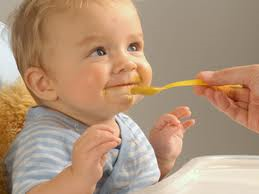
Starting solid foods can be stressful…so it seems. So many of my conversations with parents who are starting foods, thinking about starting foods, or in the middle of food introduction are full of anxiety and questions. It really should not be. There are very few guidelines that parents really need to follow. Many of the “rules” of starting solid foods are not based on a lot of science, but are based on culture and “what grandma did”. So what is all the worry about?? What are the “rules”?
Let’s keep it simple.
1. Children should start solid pureed foods when they are developmentally ready for food, usually near the 6 month mark. Usually at this age healthy children who are developing normally should be showing some interest in foods, sitting up fairly well, and their tongue thrust should be minimal.
2. First foods are really “practice foods”. Your baby is trying out new tastes and textures, but their main nutrition should be coming from breast milk or formula. Solid foods are complimentary the first year.
3. Pureed foods do not have to be the traditional baby foods…give your baby new and interesting tastes! There really is no scientific base to withholding any foods, even foods that are traditionally high allergen foods like eggs and peanut butter. The only food your child should NOT have is honey in the first year. Introduce new foods every few days and enjoy.
That is really it! So there really is no need for a schedule, a flow chart or an excel sheet to introduce your child to foods. Honest…
Even with these simple “rules” there are lots of questions. Here are some of the most common questions/worries that I hear:
1. Should I start with rice cereal first?
Traditionally rice cereal has been the first food for babies in this country…for years! Why? Well, it is convenient, it is easy to mix and feed, and it is iron fortified. Iron stores from Mom may begin to deplete after the first 6 months, so foods with iron are often started first. There is a lot of debate about white rice cereal, especially with the recent reports regarding arsenic levels in rice cereals. Rice cereal does not HAVE to be first. There are certainly other choices for first foods such as whole grain cereals, like oatmeal with iron fortification. There is no reason why a baby can’t have pureed meats at 6 months too. I think we should look at other foods besides rice for a first food.
2. Should I start with green vegetables first, then yellow, and then fruit?
Don’t have to……there is no evidence that shows if you give your baby green vegetables first he will like vegetables any better or like sweet things less. No matter what order you introduce foods, all children (adults too) will like the taste of sweet better. Besides, if you breast feed, your baby has already tasted sweet…your breast milk. Don’t worry about what color vegetable or what fruit you should introduce when, just offer your baby a wide variety of colorful fruits and vegetables. You can introduce carrots one day, applesauce a few days later, and then peas…the order doesn’t matter.
3. Is it healthier to make my baby’s food? Does it have to be organic?
Many parents worry about the fact that they don’t have time to add baby food making to their “to do” list, but it seems that everyone is telling them that “good parents” provide homemade organic baby food. Like parenting issues in general, there is always different options for different families. There certainly are many ways a parent can provide healthy food for their child. Some parents buy only organic, local food and have special recipes for homemade baby food, some parents shop aisle 2 and pick up whatever food is in stage 1, and other parents go half and half; making some food and buying some. The truth is, your child will not be on pureed foods very long. I think the sooner your child begins to eat what you are fixing the rest of the family, the better. Children like foods that have normal seasonings and a wide variety of tastes. Try to make at least some baby food…that means add a little water, breast milk or formula and take a fork and mash or use a blender to puree food for your baby, it is that simple. Soon your baby will be eating what you do with just a little mashing.
Organic foods have not been proven to provide better nutrition, but the foods do decrease exposure to pesticides. If your budget doesn’t allow the purchase of organic foods, it is more important to provide a wide variety of fruits and vegetables. If you want to spend a few dollars on organics….stick with the “dirty dozen”. Remember organic processed foods like crackers or macaroni and cheese really don’t have a health benefit at all….
4. You want my baby to eat what I do?
If you are having green beans for dinner…then mash or puree some for your baby. If you are eating fast food…then no! If you think your child can’t have what you normally eat, then think about what you normally eat. I find a lot of parents begin to eat much more healthy when they have a child beginning to eat solid foods. Remember, the best way to teach healthy eating is being a good role model.
5. Can’t I start food a little earlier….I need some sleep at night and wouldn’t that help my baby sleep better?
Food does not help a baby sleep at night better….nothing in research has ever shown us this. Starting solids too early may result in an increase risk of obesity or maybe even a tummy ache because your baby is not able to digest the food well yet. Starting solid foods is a developmental milestone not a way to “tank up” your baby for sleep. Early food introduction will not increase your sleep…
6. Babies can’t eat eggs or peanut butter can they?
The only thing a healthy baby who is not in a family with many food allergies or intolerances can’t have is honey. That is it! Babies under a year are at risk for botulism when eating honey, but nothing else that is healthy is off-limits. There is no waiting for yogurt, eggs, meats, cheeses, fish….nothing….if it is not a choking hazard, then let your baby try it.
Let go of the anxiety….starting foods should be fun and exciting for you and your baby. Offer new tastes, new textures, and healthy food. Soon you will see that your child just might LIKE brussel sprouts….even though you never did! Let your child try it all….and maybe your diet will improve too.
Take a breath, enjoy the joyful moments of each day, and remember you don’t have to be perfect to be the perfect parent.
Cindy
The pitter patter of feet and other bedtime challenges
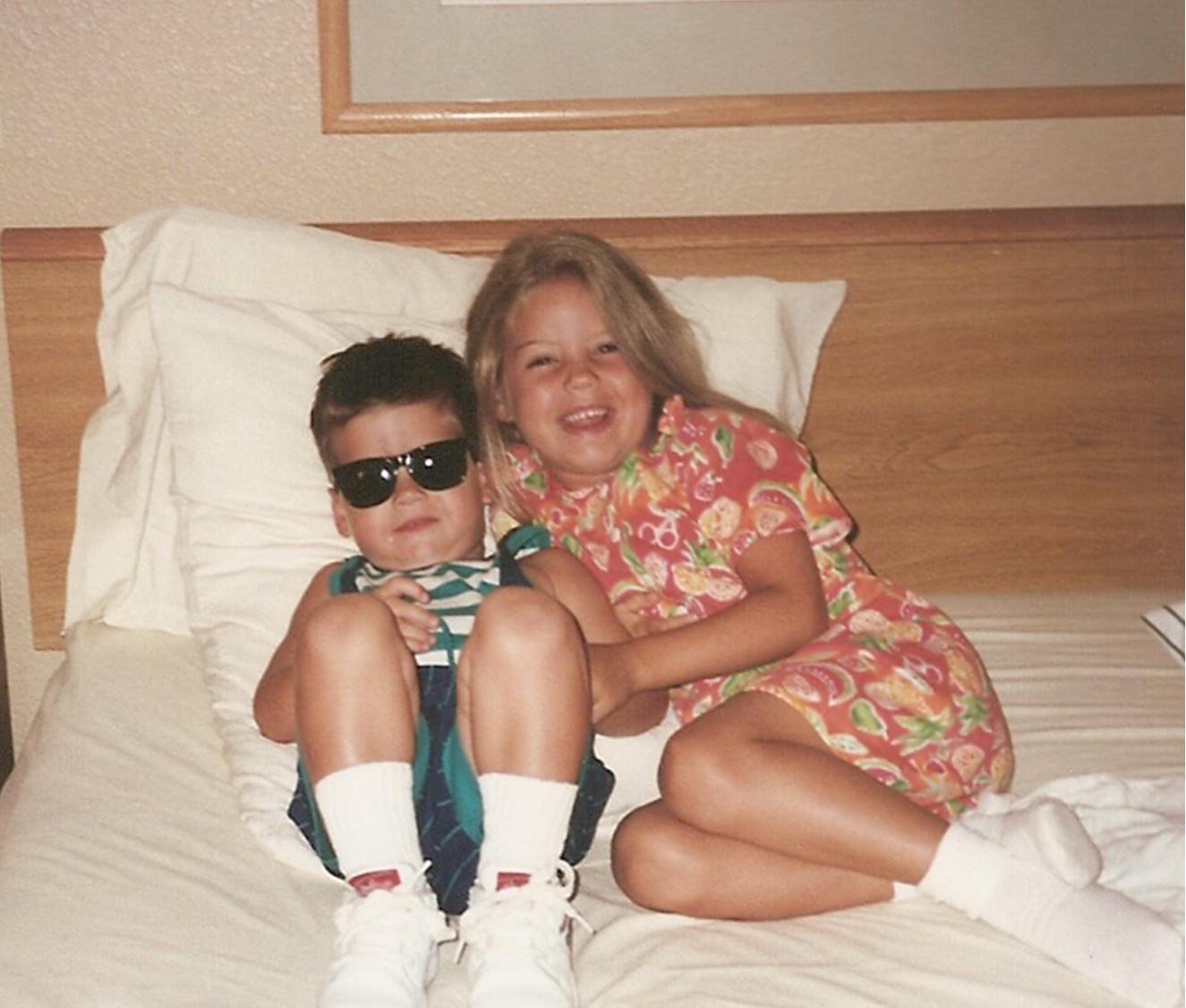
Must have been a good night…all smiles to start the day!
Ahh there is nothing sweeter than the pitter patter of little toddler feet, unless it is two minutes after putting them in bed or you wake to that sound at 2:00 am! Once toddlers figure out that they can get out of a bed, why not pay Mom and Dad a visit? Going to bed is such a disruption in their life! They would much rather be with you cuddling back to sleep or seeing what fun things you are doing while they are in bed!
It seems harmless enough to bring them back to bed and lie down with them until they sleep or to throw your covers back and let them crawl into bed with you….that is until you wake up with a toddler’s feet in the small of your back or lying on your head! Toddlers need to learn to separate and sleep on their own! It is a life skill for them and makes your evenings and nights so much more restful. So, what is a parent to do when they hear the pitter patter of little feet?
Toddler’s who get up during the middle of the night:
- The key is consistency…the same response EVERY time
- Take your child by the hand and walk quietly back to his or her bedroom.
- Tuck your child back into bed, give a kiss, and say ,“It is night-time, you sleep in your bed. Love you.”
- Walk out, no further discussion. You want your response to be very boring! Your little one has to realize that there is no benefit at all in getting up, not even a long explanation of why she should stay in bed!
- It is likely that your child will return in a few minutes…follow the same routine with no other discussion.
- This may happen many times the first night, and your response should be exactly the same. No yelling, no punishment, no rocking, no cuddling, no crawling in bed with them.
- The second night you may hear the pitter patter of little feet again, follow the same routine. Most likely it will be fewer times.
- Usually by the third or fourth night your child will stay in bed when he or she wakes and self comfort back to sleep, if you are consistent and do not give in! If you give in and rock, cuddle, or allow your child to sleep with you; then you have sent a very confusing message to your child. Your child will think, “If I get up enough, then mommy or daddy will let me sleep with them!”
- There are times when your child is ill or when your child is very scared that you might give in to letting your child sleep with you, but the quicker you go back to this technique, the easier it is for you and your child!
- An alternate response could be to keep a sleeping bag in your room. You can tell your child that if he or she is scared and wants to sleep in your room, they can pull out the sleeping bag and sleep next to your bed. This will give them the opportunity to be close but not in your bed. Some parents have liked this option. Once again, consistency is the key.
Toddlers who get up as soon as you put them in bed:
- Option one is the one above. Continue to walk your child back to bed without much interaction, no cuddling, no rocking, no yelling. Place the child back in bed and leave. This may happen 10 times and with a lot of crying, but if the response is exactly the same each time. Your child will eventually fall asleep on his or her own. This usually takes about 3 nights if you are consistent!
- Option two works well when you have just transitioned from the crib. Sit next to your child’s bed. Do not look at your child or speak to your child. If your child is chattering with you, respond with “It is bed time go to sleep.” No other words or explanations. Place your hand on your child and make no eye contact. Every time your child tries to get up, gently lie them back down. Sit with your hand on your child the first couple of nights. After the first few nights, move your chair to the foot of the bed. Same position, same words if your child is talking, if your child starts to get up, respond with “It is bed time lie down.” Speak very calmly with no other words. The next night move your chair to outside of the door and look into the room. Respond exactly the same way every time your child speaks or tries to get up. This will eventually teach your child to stay in bed and settle to sleep if you are consistent!
- Option three can be used too, there is nothing wrong with putting a gate at your child’s door. If your child tries to climb the gate it is not a safe option. Do not lock your child in their room, this can be a safety issue. The first two options are better learning techniques for your child.
- Option four is better for older toddlers, at least age two or older. Depending on your child’s temperament, a reward system may be all you need. You can devise a sticker chart and let your child place a sticker on the chart for every night or nap he or she stays in bed. Sometimes toddlers prefer to wear their sticker! A single sticker may work, or you might have an incentive of two or three stickers and then your child is rewarded with a small treat or something fun to do with you. Then move the number of stickers required to get their prize up until you no longer need the incentive.
- Option five is good for three and older. You can give your older toddler or preschooler a “free pass”. Make two “passes” using 3×5 index cards. Let your child help you decorate them. Tell your child that they have two “free passes” to call you and you will come in and see what they need. Once those passes are gone, you will not come into their room and they will not be allowed up without a consequence the next day. Most children will start out using the passes and then quickly start saving at least one “pass” just in case. Eventually you can give your child just one “free pass” to use. Most of the time this breaks them from calling you or getting out of bed. This gives them some control of the situation.
All these techniques will help your toddler learn to fall asleep on his or her own, make the bedtime process much more enjoyable for you and your child, and give you time to have an evening to recharge and get a good night’s sleep without a toddler spread eagle in the middle of your bed! Remember, teaching your child to sleep on his or her own is a necessity! Happy sleeping!
Take a breath, enjoy the joyful moments of each day, and remember you don’t have to be perfect to be the perfect parent.
Cindy
Don’t Parent with Fear, Protect Your Child with Empowerment
Do you have a parenting worry list? I do….even with adult children I still have a list of things that I “worry” about. Everything from “Are they working too hard and getting enough sleep?”, “Are they safe when they travel?” to “Are they really happy?” is on that list! I really believe that you never really exit that parenting role completely, so maybe there will always be a few items on my worry list. There are few things that bring more anxiety to a parent than their worry about the safety of their child. At the top of many parents’ worry list is the fear of their child being abducted or sexually abused. The statistics can cause most of us to lose sleep….in general most studies show that about 20% of adult females and about 5-10% of adult males recall a childhood sexual abuse incident. The U.S. Department of Justice states that 90% of the victims know their perpetrator in some way. According to the National Center for Missing and Exploited Children, in 2020 91% of missing children were runaways, 5% were family abductions, 1% were lost children, 3% were young adults between age 18 and 20 and less than 1% were nonfamily abductions.
With this knowledge, we as parents may need to change the education we are giving our children. Maybe the traditional Stranger Danger is not the most valuable approach to keeping our children safe. Let’s start empowering our children, not teaching by fear. Let’s move to teaching our children that they own their body; they are the “boss” of their body and they must keep it safe and healthy.
So how do we start?
Respect our children’s feelings.
Beginning at age 5 to 6 months, many infants experience stranger anxiety and between 18 months and 2 years most toddlers experience separation anxiety. These are normal developmental stages, but we need to respect those feelings of anxiety. Introduce “strangers” or new faces slowly, don’t force your child to go to someone he or she is unsure of or sneak away if you are leaving your child with a babysitter. Sit down, slowly introduce, help your child feel comfortable and if you are leaving, say good-bye. This is the first opportunity to say to your child, “I am listening, I understand you are scared or uncomfortable.” This respect of their feelings builds trust allowing your child to share these feelings verbally later. This builds a trusting relationship between adult/parent and child.
Don’t force a child to hug or kiss anyone even a family member.
Help a child determine what is appropriate touch for the people around them, forcing sends an unsafe message of the child not being “the boss of their body”. Give choices to help them determine what is socially appropriate and comfortable for them.
“Say high to Aunt Susie, give her a hug or high five.”
“Say good-bye to Grandma, give her a kiss, hug or high five.”
“Say thanks to the lady at the bakery, give her a high five or thumbs up for the cookie.”
“Thank the librarian for helping you find the book about dinosaurs.”
These prompts help a child learn the when and with whom hugs and kisses are socially appropriate and comfortable for them. This allows your child to feel ownership of their body. There are many reasons why a child might be uncomfortable or shy with new people or family members. It is fine for them to decide between a kiss, hug, high five, fist bump, thumbs up, or a simple thank you is most comfortable for them.
Call your child’s body parts the correct name.
Cute nicknames for private body parts teaches children that those body parts are embarrassing or uncomfortable. When children are uncomfortable talking about their body, they are less likely to share about their body. We don’t want to increase secrecy or uncomfortableness about a child’s body or sexuality. Call it what it is….and don’t react with anger when the “potty humor” begins with a toddler or preschooler. Ignore this and it will soon pass!
Begin talking about “private body parts” at about age 2.
Potty training is the perfect opportunity to introduce a concrete way for children to understand where their “private parts” are. Tell your child that their private parts are where their bathing suit covers. Explain that no one but Mommy or Daddy, or a doctor or nurse when Mommy or Daddy is there, should look at or touch their bathing suit area. Casually speak of their private parts when bathing, changing for the pool, or using the bathroom.
Introduce the concept of “Good Touch/Bad Touch” around age 2 or 3.
Remember this should include that a good touch makes you feel good and a bad touch hurts or makes you feel bad or uncomfortable. Bad touch is not only in the bathing suit area, this can include hitting, shoving or even stroking an arm or back that just doesn’t feel right. Give your child permission to say “stop hitting me”, “don’t shove me in line”, “I don’t like being tickled”, and even expand this to hurtful words, “When you called me that, it hurt my feelings.”
Tell your child “you are the boss of your body”.
Empower your child to keep their body safe and healthy. When you buckle into a car seat or put on a bike helmet, talk about keeping their body safe, when you give them a healthy meal talk about fruits and vegetables keeping their body healthy. Tell your child they are in control of keeping their body safe and healthy. You want your child to value and take care of their body and learn to set healthy boundaries. This belief of “being the boss of their body” can empower them to say no to risky or dangerous activities when they are older.
Role play how to respond when someone hurts them or makes them feel uncomfortable.
“Stop hitting me, that hurts!” “ Stop! Those words hurt my feelings.” “Stop touching me!” Role playing helps your child have a plan. If you see an incident at the park between children, give your child the words to say, don’t immediately “fix” the situation unless it is dangerous.
Keep talking.
The more often the topic is addressed the more comfortable your child will be. When you are giving baths, or dressing for the pool, casually mention where your child’s private parts are. When you are on the playground, talk about how to react if a child pushes in front of a line for the slide or says something unkind. Keeping the tone casual keeps the conversation safe and open making it easier for your child to share.
Don’t talk about strangers, talk about “tricky people”.
We all interact with people we don’t know every day. We don’t want children to be raised in fear of everyone they don’t know. We know most abductions are by people a child knows or is at least familiar with. A “tricky person” is someone who is either familiar with your child or has become familiar by speaking with them and gaining their trust. Tricky people don’t feel like a scary stranger but may try to trick a child into a situation that is not safe. Instead of talking about “stranger danger” talk about the feeling of “uh oh”. Teach your child to trust their gut, when something feels uncomfortable teach them to say “no” or “stop” and leave. Tell your child to share with someone they trust when they have that “uh oh” feeling.
Help your child interact with “strangers” when you are with them in a safe situation. Encourage older children to order their dinner at a restaurant, help younger children introduce themselves to a child at the park, help your child say hello to the librarian or store clerk. Point out when a “stranger” was kind or helpful. People we don’t know are a part of everyday life and most are good people who will help your child if needed! Fear is not the solution to keeping your child safe! Teaching your child to listen to that inner voice or “uh oh” feeling is a key to staying safe.
Teach the difference between a secret and a surprise.
Be sure you use the correct terminology and reinforce that families do not have secrets. A birthday gift for Dad is a surprise, not a secret. Children should never be told to keep a secret from their parents.
Have at least 5 adults in your child’s life who they trust.
Help them surround themselves with safe adults who love them. Children need adults other than their parents who will protect them and listen to them. This is especially true as your child enters school. These adults can be grandparents, close friends, an Aunt or Uncle, a teacher, a pastor or minister, there are many trusted adults who care for your chid.
Establish safety rules.
- I will always play where I can see my mom, dad, or responsible adult who is with me.
- I never go anywhere with anyone without checking with my mom or dad or responsible adult who is with me.
- I will never eat any treat without checking with mom, dad or responsible adult with me.
- I am the boss of my body. I can say yes or no to anything about my body.
- Everyone’s bathing suit area is private.
- I don’t keep secrets and no one should tell me to keep a secret from mom and dad.
- If I get lost I can stay in one place and call for mom or dad or go find another mom to help me. (every child knows what a mom looks like, in most situations this is a safe individual for a child to ask for hep)
- Grownups don’t ask kids for help (“Help me find my dog”, “Help me carry this to my car”) If they do, I must ask for permission from my mom, dad or responsible adult with me.
- I listen to my voice inside or the “Uh oh” feeling. If something feels bad or wrong I will stop, yell for help, and tell mom and dad.
Good books to help with your conversations:
I Said No! A kid-to-kid guide to keeping private parts private By Zack and Kimberly King
Miles is the Boss of His Body By Samantha Kurtzman-Counter Abbie Schiller
Do You Have a Secret? (Let’s Talk About It!) By Jennifer Moore-Mallinos
Sexual Behaviors in Young Children: What’s Normal, What’s Not?
We want our children to grow up confident, safe and happy….empowered that they are able to navigate this world successfully. Living in fear never results in someone who feels confident and happy. Protect your child by empowering them!
Take a breath, enjoy the joyful moments of each day, and remember you don’t have to be perfect to be the perfect parent.
Cindy
Get a little dirty…it is time to garden!
It is that time of year when I am doing a bit of grumbling about all the yard work, but also looking forward to getting my perennial beds cleared and blooming, my cut flower bed planted and preparing my vegetable garden for this summer’s crop of tomatoes, beans and of course sunflowers. I definitely am not a Master Gardener, but I have a special place in my heart for gardening and getting a little dirty. I have very fond memories of my Grandfather and his vegetable garden and beautiful roses. I would walk through his garden when I visited and help water and weed. With his garden gloves on and a hat perched on the back of his head, he was a true farmer at heart. He showed me how to eat a fresh tomato right off the vine and how to pinch a peach so the fuzzy skin would pull back and I could eat the sweet inside. I guess my love of gardening started by watching my Grandpa and then my own father take pride in their gardens. My dad still grows amazing tomatoes!
So many of our children have no idea where their fruits and vegetables come from or even what a fresh tomato really tastes like! With the new fruit and vegetable pouches, I sometimes wonder if many toddlers even know what a real vegetable LOOKS like! There are many life lessons that can be taught by simply taking a small plot of land or a small container and growing something with your child! There is no better way to instill a love of nature and to encourage healthy eating than growing a fresh fruit or vegetable as a family.
Children are natural gardeners—they are curious, they learn by doing, and they love to play in the dirt. Gardening is good for families, it gives your family time together outdoors, and time to let your child get dirty for a purpose! Children love to look for worms, love to plant seeds, water, watch plants grow, pick their crop and even try the harvest they have grown. What a great way to get them to try green beans! This helps cultivate their curiosity about nature, the earth and maybe even foster a love of gardening. Children will also love the special time they spend with you. Gardening teaches patience, responsibility and is like having a science lesson without even knowing it! You might even find yourself feeling a little proud and definitely loving the taste of a fresh homegrown tomato!
Tips on gardening with children.
1. Plan a small container garden or a small plot of land that is theirs. Talk about a plant’s need for sun, water, and food. Put the garden in an area that can be seen easily by your child. A plastic storage bin or any other container with holes poked in the bottom for drainage works great for this! Keep it near your back door so your child can see it often. Tomato plants or lettuce can actually be grown in just a bag of topsoil that you open and plant the seedlings in the bag. What could be easier?
2. A “yardstick” garden is plenty big for a child. Take a yardstick and measure a garden that is 3 foot square. A young child can reach all sides of the garden and will take pride in that little plot he can call his own.
3. Gardens do not have to be square. A “pizza” garden can be planted with wedge sections. Put different plants in each wedge. Plant ingredients that would taste good on a pizza! This is a great way to grow an herb garden!
4. Use a little imagination, children will love a sunflower house! Plant large sunflowers in a semi-circle. As they grow, tie the top of them together and your child can have a “secret” hiding place in your garden!
5. Watering and weeding is not as much fun as planning and planting ( I don’t like it as well!). For older preschoolers or school age children, put a gardening calendar in the kitchen or in your child’s bedroom with tasks to be completed. Don’t force it, remember you are instilling a love of gardening! Keeping your child’s portion of the garden small should keep the time necessary to only a few minutes a day. Using a container garden really keeps it easy!
6. Child sized garden tools make it easier and more fun. I have seen tools in the dollar area of Target! I know if I had young children, the gardening boots and clogs I have seen would be a must, so cute!! A gardening hat is a necessity, protect yourself and your child from the sun. What is cuter than your toddler gardener in a wide brimmed hat! Don’t forget the sunscreen too.
7. Let your child dig the holes for the seeds or the plants that have been bought. Digging holes is a natural for kids!
8. Encourage your child by planting seeds that mature quickly and are easy for them to handle. Radishes and lettuce are great. They germinate in a couple of days. Bean seeds and sunflower seeds are easy to handle.
9. Be sure to put the seed packet on a stake in the garden to remind them what they have planted and what it will look like. Some discount stores even have little garden stakes that your preschooler could decorate!
10. Children love the unusual. Many vegetables are available in different colors or sizes. Speckled beans, red carrots, miniature cucumbers and pumpkins, purple beans, and grape tomatoes are just a few examples. Try something really unusual by taking a cucumber or pumpkin bloom and placing it inside of a 2 liter bottle. Shade the bottle with leaves from the plant and let the pumpkin or cucumber grow inside the bottle. It is a great “show and tell” item when there is a large cucumber or pumpkin inside the bottle!
11. Add a bird bath to attract birds. Children can be responsible for refilling the bird bath!
12. Think about planting bright colored flowers that are known to attract butterflies and hummingbirds. Exploring the garden for butterflies, bugs, worms and caterpillars is great fun!
13. You might want to set a part of the garden for digging all summer. Put your sandbox in the middle of your garden to make your garden kid friendly. There were always a few cars or trucks around in the dirt of our garden.
14. You can have your child make garden stones or markers for the garden. Find larger stones and let them paint designs on the stones. These make great Mother’s Day or Father’s Day gifts for Grandparents!
15. Have your child help build a scarecrow for the garden. This can be a fun activity for late summer especially.
16. Measure the sunflowers that you plant once a week and chart their growth. If you have older children, planting sunflower seeds that mature in about 90 days is a great way to measure the length of summer. When they bloom, it is time to go back to school!
17. Try to grow organically as possible. Mulch is a great way to cut down on weeds which will prevent the need for weed killer and mulch will keep the soil moister during dry spells. Mix compost and/or topsoil into your garden each year to provide nutrients needed for plant growth. By growing without chemicals, your child will be able to eat a tomato right from the vine…there is nothing better!
18. Let your child harvest their own vegetables. There is nothing better than picking your salad fixings for the day! This will encourage your child to eat their vegetables I promise! Your child will love to eat “garden to table”!
19. Keep it fun…start small! Most new gardeners try something too big and then quickly become discouraged with the experience. Just grow one tomato plant and supplement your “garden” with a trip to the Farmer’s Market! We always had enough green beans from our small garden for at least one dinner. The kids would always ask, “Our these our beans?” With a little white lie, our kids ate green beans the whole summer!
There are some great children’s books that can be fun to read with your child as you start your garden:
Growing Vegetable Soup by Lois Ehlert
Pumpkin Pumpkin by Jeanne Titherington
Tops and Bottoms by Janet Stevens
This is the Sunflower by Lola M. Schaefer
Whose Garden Is It? by Mary Ann Hoberman
The Carrot Seed by Ruth Krauss
The Tiny Seed by Eric Carle
Oliver’s Vegetables by Vivian French
Stone Soup by Marcia Brown
Alison’s Zinnia by Anita Lobel
If you are more inclined to create a gardening sensory box….make a little safe to eat mud! Use a plastic container and fill it with the “mud” below. Add some garden tools, plastic vegetables or flowers and “plant” a garden! You also can use this recipe for plastic bugs, worms, and other creepy crawlers for your toddler to play with…or transform it with trucks or dinosaurs. Easy to make and if it dries out….just add a little more water.
- 1 cup of Corn Starch
- 2 tablespoons Powdered Cocoa
- ¾ cup water
- Extra Corn Starch (as needed)
- Spoon
Mix it together and add more water or corn starch to get the texture you want. Play outside and let your child get a little messy! Messy play is creative play!
Get a little dirty….plant a few seeds and you will see your child’s excitement grow as the plants grow, and who knows you might just raise a kid that likes his vegetables!
Take a breath, enjoy the joyful moments of each day, and remember you don’t have to be perfect to be the perfect parent.
Cindy
 raisingkidswithlove