Keep your precious cargo safe by using a car seat correctly!
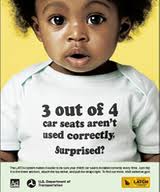
Parents must be sure that their child’s car seat is being used correctly…we all have precious cargo!
I read an study recently in the Journal of Pediatrics which really shocked me.
A total of 291 families (81% of those eligible) participated. Nearly all (95%) CSSs were misused, with 1 or more errors in positioning (86%) and/or installation (77%). Serious CSS misuse occurred for 91% of all infants. Frequent misuses included harness and chest clip errors, incorrect recline angle, and seat belt/lower anchor use errors. https://www.jpeds.com/article/S0022-3476(15)01459-6/fulltext
95% had errors in car seat installation of positioning! That is such a scary thought since car accidents are the leading cause of death for children. But to be honest, car seats are not easy to install correctly! The manuals are long and sometimes confusing, there are different recommendations by auto manufacturers, and I know the installation of a car seat has caused many an argument between Moms and Dads!
The newest recommendations from the American Academy of Pediatrics state that until at least age 2 your child should sit in a rear facing seat and preferably a child should be rear facing until they reach the highest weight or height allowed by the car seat manufacturer (that means your child most likely will be older than age 2 and still rear facing). Children over the age of 2 may sit in a front facing seat with a 5 point harness until their weight and height exceeds the car seat’s recommendation for the seat. A booster seat should be used until a child is 57 inches tall, which is the average height of an 11-year-old (wow…bet you didn’t realize that!) No child should sit in the front seat until age 13! www.healthychildren.org
Types of car seats:
- Rear facing only
This seat is used for infants up to 22 to 40 pounds depending on the seat. They are small and have handles to carry the seat. Some have a base that can be left in the car.
- Convertible seats that can be used for rear facing
These seats can be used rear facing and then “converted” to forward facing when your child is older. They are bigger than infant seats and do not have handles or a separate base. They often have a higher rear facing weight and height limits which is great for larger babies. They should have a 5 point harness.
- 3 in 1 seats
These seats can be used rear facing, forward facing and as a booster. They may be used longer by your child. (But remember every seat has an expiration date…about 5-6 years)
Installation of rear facing car seats:
- Always know the weight and height limits of your car seat.
- The shoulder straps should be at or below your baby’s shoulders.
- The straps should be snug (you shouldn’t be able to pinch any slack) and the chest clip should be at the nipple line.
- The seat should be tight in the car. You should not be able to move it more than an inch side to side or front to back.
- Never put a rear facing seat in the front seat of a car!
- Make sure the seat is at the correct angle so your baby’s head does not flop down. Many seats have an angle indicator or adjusters that can help with this.
- I recommend having a certified car seat technician help install the car seat. This will help with the many questions parents have and may even prevent Mom and Dad from having an argument! 🙂 Check out this website for great information on car seats, car seat recommendations and locations of car seat technicians in your area. It is an excellent resource! http://www.nhtsa.gov/cps/cpsfitting/index.cfm
Installation of forward facing car seats:
- Always know the weight and height limits of your car seat.
- The shoulder straps should be at or above your child’s shoulders.
- The seat should be tight in the car. You should not be able to move it more than an inch side to side or front to back.
- You may use LATCH if the weight of the car seat plus the weight of your child is less than 65 pounds. The car seat manual will give the maximum weight for your child to use LATCH.
- You must use the car seat tether for forward facing. Read your vehicle manual to be sure you are attaching the tether in the correct place.
- I recommend having a certified car seat technician help install the car seat. This will help with the many questions parents have and may even prevent Mom and Dad from having an argument! 🙂 Check out this website for great information on car seats, car seat recommendations and locations of car seat technicians in your area. It is an excellent resource! http://www.nhtsa.gov/cps/cpsfitting/index.cfm
Common questions parents have about car seats:
- What if my rear facing child’s feet touch the back of the car seat?
No problem…your baby will cross his legs and find a comfortable position. There are few reports of leg injuries from a crash with a baby in this position, but a leg injury is a much less severe injury than a head and neck injury which you are helping to prevent by keeping your child backward facing until age 2 or older.
- What do I do if my baby is slouching in the seat?
You may put blanket rolls on both sides of your baby and a small cloth diaper or blanket between the crotch strap and your baby for a while until your baby grows a bit. Do not ever put padding or blankets or anything behind your baby or add any car seat insert unless it came with the seat or was made by the manufacturer of the car seat. Any additions to a seat may make it work a bit differently and provide less protection for your baby!
- What do I do about winter coats?
Remember that thick winter coats, blankets, or clothing should not be put under the car seat harness or straps. Dress your baby in thin layers and then tuck a blanket around your baby over the harness straps if necessary.
- Where is the safest spot for the car seat in the back?
The safest spot is where the seat can be installed properly, it is convenient for you to use safely every time. Some LATCH systems are only on the sides of the back seat. Some car seats only fit well in the middle. It depends on your car seat, your vehicle and the number of children you have on where is best for the car seat!
- Should we use a car seat on a plane?
Most infant and convertible car seats can be used on planes. The seat must have a FAA (Federal Aviation Administration) approval label on it. The FAA and the AAP recommend that children use car seats when flying until age 4. This keeps your child safer during takeoff and landing and in turbulence.
Car Seat Tips
- Always know the restrictions of your model. Know the maximum weight and height limits for your seat!
- The shoulder straps should be in the slots that are at or below your child’s shoulders for rear facing.
- The shoulder straps should be in the slots that are at or above your child’s shoulders for forward facing.
- You may need to adjust the angle of the seat when you turn it to forward facing, check your car seat manual.
- Choose to use the LATCH system if your vehicle has it OR the seat belt. Do not use both. Check your vehicle manual and your car seat manual for proper installation with the LATCH or seat belt. Latch does have a weight limit of 65 lbs total, meaning the weight of the car seat plus your child. If the car seat and your child together weighs over 65 lbs, then you must use the seat belt to secure the seat.
- Use a tether strap for forward facing. This is a strap that attaches to the top of the seat. It is often on the seat back of the vehicle. This gives extra protection by not allowing the car seat and your child’s head to move too far forward in a crash. All vehicles manufactured from 2000 on have them. Check the weight limit for the use of the tether anchor.
So much information…but so important to keep your child safe. Remember Healthychildren.org is a great resource!
Take a breath, enjoy the joyful moments of each day, and remember you don’t have to be perfect to be the perfect parent.
Cindy

Your child’s temperament….continued!
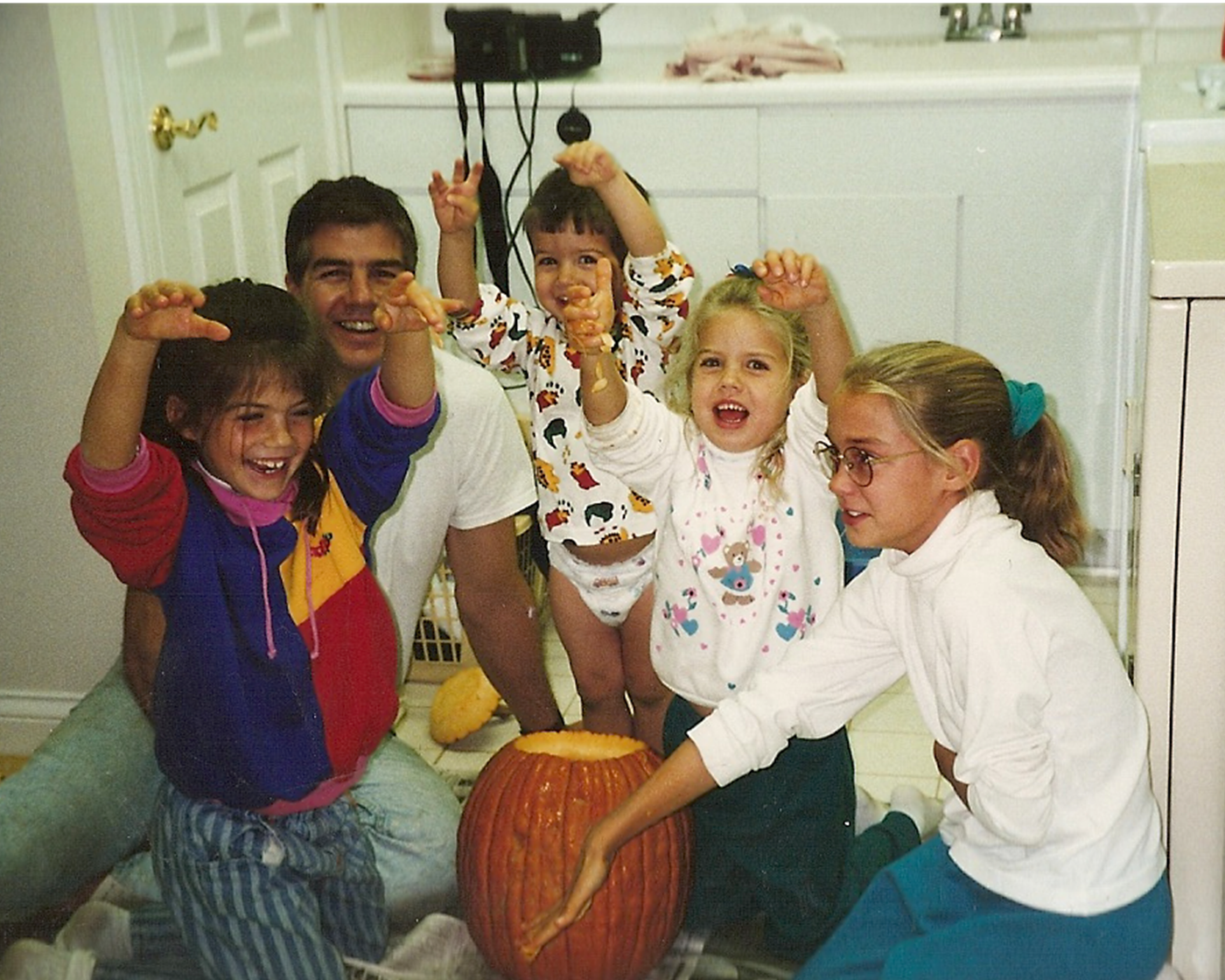
See the difference? Same activity…four different children, several different reactions…embrace your child’s temperament!
There are a few more traits that make up your child’s temperament. Picking up from yesterday….
5. Sensory Threshold
How sensitive is your child to physical stimuli? Does your child become overly stimulated in a room full of noise or people? Does your baby cry when he or she has been passed from person to person for a period of time? Does texture of food bother your child? Does your child respond positively or negatively to the feel of certain material or clothing? Do the seams on socks need to be straight?! (my #3 daughter had her shoes off immediately if those seams weren’t straight)
Parenting the highly sensitive child:
- Learn tolerance of unusual complaints..like socks that are not straight!
- Try not to be annoyed by the fixing of socks, or cutting off of tags, or not buying “itchy” clothes. Being sensitive to that will decrease the whining.
- This child may have a low pain tolerance; little hurts need lots of TLC. Dramatic reactions are common.
- Learn to keep lights low, noise level low, and keep your child close with some physical contact when in new stimulating situations.
- The highly sensitive child often is often creative and empathetic.
Parenting the less sensitive child:
- Be aware if you have a less sensitive child so something is not missed. They will tend to live with a minor ache or pain for quite a while.
- Talk about feelings of others, help build empathy. Point out when feelings are hurt, when apologies are needed. Help your child become aware of how their behavior or actions impact others.
6. Approach/Withdrawal
This is how a child responds to a new situation or strangers. Is your child always ready to try something new? Does your child make a new friend easily? Is your child very curious? Or, is your child cautious and slow to warm up to others? Slow to warm up children are often resistant to new situations, activities, and people. These children will often think before they act and are less impulsive. This is a positive during adolescence!
Parenting the approachable child:
- Encourage your child’s eagerness and curiosity….do not squelch their enthusiasm!
- Expose them to new experiences and people.
- Encourage them to commit, sometimes this child has a difficult time finishing a task. These children can be social butterflies.
- Encourage quality time with friends to help develop “best friend” type relationships.
- Relax, enjoy their social behavior but be sure to talk to your child about asking permission from you before he or she speaks to people who are unfamiliar. Children who are very approachable do not “know a stranger”. You must not scare them, but protect them.
Parenting the less approachable child or slow to warm:
- Do not label your child as “shy” or “quiet”; this type of child is thoughtful, reserved, or cautious.
- Ease your child into meeting new people and new experiences slowly, show pictures of relatives if you are visiting. Talk about what you will be doing, prepare your child.
- Avoid putting your child in the spotlight or center of attention if uncomfortable.
- Help your child problem solve, find solutions for when he or she is uncomfortable. Have them go with a friend to group activities, find familiar faces in a room of people, have preplanned conversation or talking points when meeting new people. Do not discourage your child from going places and doing things because they are uncomfortable.
- Encourage your child to try new things, do not allow them to become a “home body”.
- Do not talk or answer for your child; allow him or her to respond, give them time to speak.
7. Adaptability
This is how easily a child can handle transition or change. Does your child have problems with change in routine or moving from one activity to another? How long does it take your child to be comfortable in a new situation?
Parenting the flexible child:
- A flexible child is easier many times because he or she tends to be “easy going”.
- Flexible children still need routines but they will not melt down if that routine is not always followed.
- This type child will flip from task to task, but will have to be reminded to finish. Written reminders, calendars, and charts will help keep your child on task. Try not to nag.
- Allow for natural consequences when things are not completed…don’t rescue an older child from consequences. Life lessons are very important.
Parenting the inflexible child:
- A child who adapts more slowly will usually not rush into dangerous situations and may be less peer influenced. A good thing during the teen years!
- This child does better when he or she knows what to expect, help them know what is coming up.
- Give warnings before changing activities. “After breakfast we are going to the store.” “In 5 minutes we are going to the store.” “One more minute, put your puzzle away, we are going to the store.” This “warning system” will help your child switch activities without a meltdown.
- Try new routines out first before they have to do it (a run through morning before the first day of school, visiting the preschool before the first day, introducing a babysitter before you leave the first time)
8. Persistence
This is how long a child will continue with an activity when there are obstacles. Will your child keep working on a puzzle when he or she is having a difficult time—or do they move on? Is your child patient when he or she is waiting for you to fix their meal? Does your child have a strong reaction when they are interrupted from an activity?
Many times a child that continues an activity when asked to stop is labeled stubborn and a child who works at a puzzle that is difficult is labeled patient. Both of these children are persistent!
A child who is persistent will be able to reach goals easier. A child who is less persistent may have great people skills because he or she reaches out to others for help.
Parenting the persistent child:
- A persistent child has a trait that will serve him or her well in adulthood, but can drive a parent crazy! A persistent child will often not take the word “no” well. Give a choice whenever possible, “Do you want to brush your teeth first or put your PJs on first?”
- Give time limits when there is not unlimited time for a task.
- Step in if your child is becoming extremely frustrated in trying to complete a task, but allow your child to try!
- Know how not to engage in an argument with the older persistent child. Remove yourself from the room when the discussion is over.
Parenting the non persistent child:
- A less persistent child usually is compliant, but often gives up on a task easily when the task does not come easily.
- This child needs gentle encouragement and sometimes a helpful hand. Many times “you can do it” is not enough, the parent actually has to help the child physically start a task to help jump-start the child. Start a task, not do it completely!
- Success with difficult tasks breeds persistence.
9. Mood
This is how your child reacts to the world—is it primarily in a negative way or a positive way? Does your child see the glass as half full or half empty? Is your child generally in a good mood or generally in a serious mood? Is your child joyful and pleasant? Does your child smile and laugh easily? Is your child more whiny, complaining, or crying more often?
Parenting the little optimist:
- These children are usually a real joy to be around, but there are some challenges.
- Sometimes it is difficult for this child to approach something seriously. A parent may need to bring a child “down to earth” and talk about safety issues, reality, etc.
- Be careful not to crush an optimist’s spirit
Parenting the little pessimist (or as I like to say, realist):
- These children are often more challenging than the optimist, and need a loving parent to guide them through childhood pointing out the small joys in life.
- These children are usually emotionally intense too, so they will often let others know about their disappointment quite loudly! Often parents will respond with anger or frustration. This usually will not defuse the situation.
- It is hard to be a constant “cheerleader” but a parent’s optimism will often help a child open his or her eyes to the good. End every day with asking “What was the best part of your day? What will we do tomorrow?” This helps focus on optimism.
- Watch the friends your child keeps, two pessimistic people pull each other down. Encourage relationships with people who uplift your child’s mood.
- Do not label your child as a “pessimist”…look at your child as one who is a realist. Help your child dream a bit about what “could be”.
So all of these traits combine to form your child’s temperament, and remember there is no good or bad temperament! Understanding your child’s temperament does not excuse undesirable behavior, but it might help you understand why your child behaves or reacts in a particular way. You may change your thinking about your child that is active and into everything from being “difficult” to just “curious”. You might see your shy or slow to warm child as more “sensitive and thoughtful”. All types of personalities have strengths and challenges, and our job as a parent is to work with our children and help them embrace their temperaments to become the best adult possible.
“Kids come with their own ingredients—you have to work with them and cook the best way you can.” Ari Brown M.D.
Take a breath, enjoy the joyful moments of each day, and remember you don’t have to be perfect to be the perfect parent.
Cindy

A little of this and a lot of that….what makes up your child’s personality?
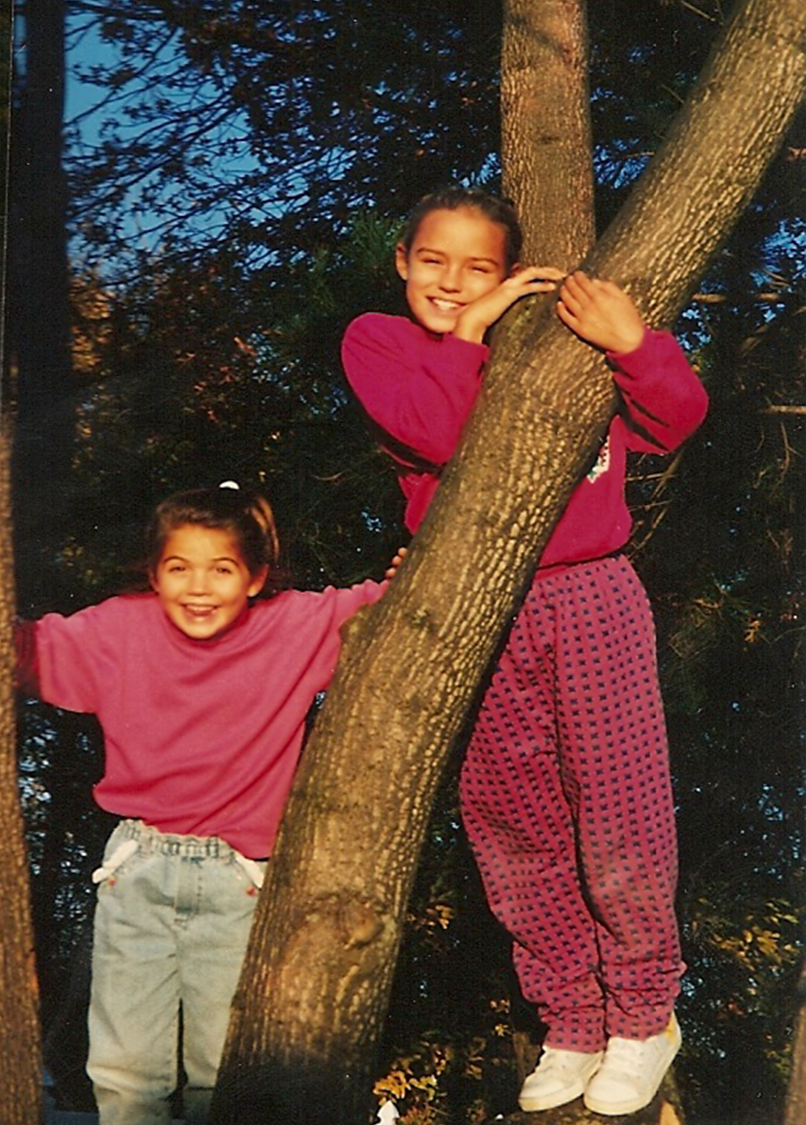
Can you tell they have different temperaments?? The parenting technique that worked for one, didn’t necessarily work for the other!
Over the next few days, let’s look at the 9 personality traits that make up each of our temperaments. I know I can pick out myself in these traits and my children. Remember a parent must work hard at parenting according to a child’s temperament. The rules in our house were always the same, the approach with each child may have been a bit different.
1. Activity Level
Remember most young children are busy. Your child’s activity level should be compared to other children of the same age. How active is your child in general? Does your infant always wiggle and move? Is it difficult to change a diaper? Is your child in perpetual motion or does your child prefer quiet activities and is content “watching the world”?
Parenting the active child:
Your child is not moving and fidgeting to annoy you! This is how your child is wired. Give your child lots of time for active play every day. Be creative in looking for ways to allow your child to “blow off steam”. When your child has had plenty of energy outlets, then he or she will be able to be calmer when needed.
- Offer a safe environment for an active child to explore his or her world
- Daily activities liking getting dressed may be easier when allowing your child to help
- Plan ahead to allow your child physical activity before quiet times
- Do not set unrealistic expectations of long periods of quiet sitting. Keep a bag of quiet activities for use when you are in need for “quiet sitting”.
- Active children often learn best by using action and their senses, be your child’s advocate with teachers…..let teachers know ahead of time that your child has an active temperament. A child with who simply has an active temperament should not be labeled hyperactive!
Parenting the less active child:
Parenting the quieter less active child can be challenging too.
- Slowly introduce activities that involve action.
- Engage your child in an activity by demonstrating first, or by having him or her watch another child.
- Allow for extra time for a less active child to get organized and moving in the morning.
- Encourage healthy activity. Many less active children are not naturally inclined to participate in sports.
2. Distractibility
This is the amount of concentration that child shows when he or she is not particularly interested in an activity. Is your baby distracted when you are nursing or feeding a bottle by noises and sites around him or her? Is your toddler or preschooler sidetracked by every bug, bird, or even his or her own thoughts or daydreams?
Distractibility shows how easily other stimuli will disrupt a child. Remember that children in general are distractible….this is always in comparison to other same aged children. This trait can be a positive when it is easy for a parent to distract a child from an undesirable behavior, but it can also be a negative when a child is so distracted he or she cannot finish tasks.
Parenting a distractible child:
- Be sure that you have your child’s full attention when talking. Do not shout instructions from the next room, make good eye contact.
- Keep instructions simple and to the point.
- Redirect gently…..”Got your shoes on yet?”
- Be sure to decrease external stimuli when you see your child is distracted or overwhelmed.
- Remove external distractions like the TV when you are trying to help your child focus.
- Break up tasks into manageable pieces.
- Give breaks when the child’s distraction level increases when trying to stay on task.
- Be your child’s advocate with teachers, let them know ahead of time about your child’s temperament
Parenting the less distractible child:
- Be sure to give your child a break, children that are very focused often will not stop an activity on their own.
- Make sure you have eye contact when speaking or giving direction to your child. A very focused child may not hear a parent.
- Give a warning to your child when it is about time to switch activities. “We will need to put away the book in just a moment so we can get ready to leave.” Children that are very focused will often melt down when changing activities.
3. Intensity of emotional response
Intensity is the level of response a child has to situations. Does your child react big to everything? Does your child’s cry escalate? Does the whole world know when your child is happy, excited, or sad?
Is your child’s reactions mild? Do you have to guess what your child is feeling? Is your child mellow?
Parenting an emotionally intense child:
When a child is very emotionally intense, often a parent responds the same way. If a child is screaming with a tantrum, this may result in you yelling too. This often just causes the child to escalate. A quiet response will help an intense child learn control. An emotionally intense child can be exhausting!
- Help your child learn to express emotions in an acceptable way. Give young children ways to express anger or frustration, especially a child that does not have many words yet. Try letting a child stomp their feet or hit an “angry” pillow.
- Introduce new experiences slowly this will help an emotionally intense child feel more control and prevent a meltdown.
- Big reactors tend to react to physical stimulation too, so try to keep their little world calm when a child starts to escalate.
- When you are feeling angry, stop. Stop yelling, talking, and moving. Take a break so you don’t increase your child’s reaction
- Put some space between you and your child. Use time out for you to take a break too!
Parenting a child that is less intense:
A child that is not emotionally intense can be challenging too. Often these children are hard for a parent to read. They do not express their feelings well, so they tend to withdraw, mope, or be moody. These children need help learning how to express how they feel.
- Describe what your child is feeling. “It is so frustrating when the tower keeps falling over!”
- Discuss different feelings, read books about feelings.
- Older children especially need to be drawn out; do not let older school age children or teens mope and withdraw. Give them tools to talk about their feelings.
4. Regularity
This trait shows a parent how scheduled a child needs to be. Does your child need to eat and nap at very predictable times or can your child “go with the flow” a bit more. How flexible is your child?
Parenting the regular rhythm child:
- This child does best with regular meals, nap times, and bedtime.
- Keep things predictable.
- Plan outings and activities around your child’s regular routine.
Parenting the less regular child
- Routine is still important for a less regular or more flexible child. Maintain a consistent schedule, but allow flexibility.
- Have a regular bedtime, but allow for your child to read quietly in bed. Do not force rigid sleep patterns.
- Relax when your child is off schedule, less regular children adapt easily!
Look for tips on the other 5 personality traits tomorrow!!!
Take a breath, enjoy the joyful moments of each day, and remember you don’t have to be perfect to be the perfect parent.
Cindy
Packing tips for traveling with kids…having what you need but keeping it simple.
Vacation season is here! With kids, gone are the days when you can throw a few things in a suitcase and go! There is a bit more to pack with kids…it seems like you will need everything! Making a packing list will help. I often would start a packing list several weeks in advance and as I thought of things we would need, I would add it to the list. Packing can feel overwhelming when you are planning for kids. Just remember, you can usually always wash at your destination if necessary and unless you are going to the outback, there are stores! Don’t try to think of every scenario and try to pack for it! Once you have a list that works for you, save it on your computer for the future! Try and keep it simple!
Packing Tips:
- Plan for one outfit a day per person. Think about mixing and matching and bringing a couple extra tops.
- Think layers…be sure you always have something warm…weather is temperamental and restaurants are cool.
- Plan for at least 3 pairs of PJs per child. You will always have accidents and need at least one extra pair until you can wash.
- Pack total outfits in large freezer type zip lock bags. Top, bottom, undershirt, and socks all together. This makes it easy to find each outfit and helps keep things organized. You can grab a zip lock bag and throw it in your diaper bag when you are on the run and know you have everything you need for a quick change.
- Extra shoes.
- Sun hat, sun screen, sunglasses.
- Plan a diaper an hour for transit and about 5 to 6 diapers a day. Remember, there are Walmart Stores and Target Stores everywhere…don’t bring things that are easier bought at your destination. Think about having Amazon or Target ship your diapers to your destination when taking a long trip.
- Bring several receiving type blankets and a larger blanket for your baby to lie on and stretch.
- Diaper rash ointment, acetaminophen, thermometer, small containers of shampoo and lotion. You never want to be out looking for an open pharmacy at night!
- Keep a list with emergency numbers in your bag. Include your doctor’s phone number and local pharmacy number.
- Pack a night-light. It is nice to have a little light in a strange room!
- Baby Monitor.
- Child proofing kit. This would include twist ties to tie up cords, duct tape to tape over outlets, and antibacterial wipes to wipe down TV remotes and phones. Blue painters tape is a great way to tape things up, cover outlets etc. and kids LOVE to play with it too. Easy to remove from anything also!
- Straw cups, pacifiers, bottles, and enough baby food for transit and to get you started at your destination.
- If traveling by car and you will be spending a night on the road, pack a separate bag for the hotel. Only pack what you will need for the one night on your way to your destination. This is much easier than carrying all of the luggage in for a one night stay!
Pack a small backpack with essentials that are within easy reach in the car or plane:
- A change of clothing for you and your child.
- Extra zip lock bags. (Never can have too many!)
- A diaper an hour and wipes. (Never can have too many wipes! They are NOT for just diaper changes!)
- Pack an extra “portable” bag with a single diaper, diaper cream, and small package of wipes. You can take this small bag into the restroom without bringing the whole diaper bag or backpack.
- Fold up potty seat for a toddler. Post it notes to cover the electronic eye on self flushing toilets…keeps the toilet from flushing and scaring your toddler!
- Extra “lovey”…always have an extra!
- Two straw cups (one to be dirty one to be clean), snack cup, wipeable bib, portable snacks, small fork and spoon, any other necessary restaurant item.
- If you are formula feeding, bring powdered formula. Make up a couple of bottles with the powdered formula so only water needs to be added.
- Baby food for use that day.
- Zip lock with thermometer, travel sized acetaminophen, ibuprofen, band aids, Benadryl, nasal saline drops, and any other medications your child or you are taking.
- A mix of new and old toys…plan for an activity per hour at least. A sample “fun bag” will be posted later.
So, pack smart and start early. Make a list and check it twice, but remember, the only real essentials are items that cannot be bought at your destination…so relax, if you forget something, thank goodness for Target and Walmart….I know you can find either at your destination!
Take a breath, enjoy the joyful moments of each day, and remember you don’t have to be perfect to be the perfect parent.
Cindy

Cars and Planes….Entertaining Your Kids for Happy Travels!
So, you have your vacation booked, you are packed, and now you are thinking about how you will entertain your child in the car or on the plane!
Long trips are even longer when you have children who are fussy and bored! We traveled to the beach each year by car, and took the occasional flight when our children were young. I had quite a few tricks up my sleeve to keep everyone content (at least mostly content) on the way. Early on we learned that the trip to and from our destination had to become part of the “vacation”. In other words, we had to have that vacation mentality and enjoy that part of the trip too! You can have fun driving with a carload of kids I promise!
Traveling by car allows you to see some great areas that you may not experience if in a hurry. During our yearly trip to the beach we found small towns, festivals, touristy attractions, and great parks for picnics. We soon learned that getting out of the car and enjoying the trip made it much more fun for everyone. Lunch is much better in a park where everyone can run and play than sitting quietly in a restaurant! Leaving early in the morning and stopping early in the late afternoon allowed the kids to play, swim, and become familiar with the hotel we were sleeping in that night. We learned the hard way that pulling into a hotel after a long day of driving at bedtime only resulted in crying children and frustrated parents. An early stop always resulted in kids settling in for the night easier and an earlier start the next morning.
Entertaining kids on a flight or in the car sometimes takes some creativity. A mixture of new toys and old favorites usually works. Some toys were “special” vacation toys that were only used on long trips. We didn’t have the DVD players so common now, but our kids were very excited about the special travel toys we kept just for our long trips. You might think about using your DVD player for that purpose.
Here are a few ideas that may work for you. I found packing the toys in a bag and getting them out one at a time as needed worked well. Sometimes even wrapping the new ones made it so much fun to unwrap and see the new surprise toy! A trip to the dollar store or the Target Dollar Aisle is a great place to pick up some of those new items.
- Travel sized magnetic games.
- Travel sized Magna Doodle or Aqua Doodle.
- Sticker Books
- Activity Books
- Crayons and markers (remember to bring the crayons out of the car if it is warm weather…trust me they can melt and make a mess!)
- Reusable stickers or “clings” that can be put on car or plane windows.
- Wikki Stix or pipe cleaners
- Painter’s tape (makes great “roads” on tray tables, fun to tear and stick, easy to remove, great for childproofing in hotel rooms!)
- Finger puppets
- New books and favorite books
- Favorite music
- Movies
- Bubbles (fun to blow in the car!)
- Small cars, favorite dolls, stuffed animals
- Cookie sheet with magnets
- Water paint books
- Reusable sticker “clings” for windows or “Colorforms” type books
Treat bags became a vacation tradition with our kids. We always packed a few snacks, some healthy and some special treats. To this day, I pack a “treat bag” even for my husband and me when we head out on a road trip! Slow down, stop, let your child out to run and then provide a quiet activity once back in the car seat or on the plane. Take a deep breath and enjoy having your family contained in one spot…something that, believe it or not, you will look forward to when your children are a bit older and busier. Talk, sing, snack, and maybe even nap on the way (not the driver of course!!) :)…Family vacations are simply time together, time together doing something different….so be sure that your vacation begins when you leave your house. The trip to and from your vacation CAN be fun too! What do you bring to make your travels more fun? Share your ideas!!!
Take a breath, enjoy the joyful moments of each day, and remember you don’t have to be perfect to be the perfect parent.
Cindy
Why has this happened again? What will YOU do?

Where do we go from here? It seems that we have to ask this way too often. We continue to see the images of beautiful children who have been tragically lost scroll across our TV and computer screens. The tears seem endless. What do we do with our emotions, our anger, our sadness? We must use these feelings to move our families and our country in a positive direction. The time is now when our emotions are so raw and our hearts are so full of pain. Now is the time to look at what we need to do as parents to help prevent this type of tragedy from ever happening again. We are powerful. I will not get into the political rhetoric about gun control, whether you agree or disagree with gun control….there is so much more that we can do right now beginning today.
- Love your children deeply, be involved in their lives. Teach the values of life and love to your children from moment one. Provide security to your children and shelter them from adult problems and evil in the world. Their little minds cannot process the scary truths that exist in our world. Do not parent with fear…we must not make our children live in fear.
- Help your children develop empathy. Children who have highly developed social and emotional intelligence are less likely to hurt each other. Empathy and social/emotional intelligence does not just appear in a child. We must provide the environment for it to flourish. Talk to your child about feelings, role play what to do when they see someone hurting, read books about emotions and feelings, point out actions that result in positive feelings, volunteer together as a family and provide several adult mentors who share your family values for your child. Surround your child with real relationships. Every child should have at least 5 adults in their life who they trust. Social media provides disconnected “pretend” relationships, control your child’s social media exposure. Make it a priority to monitor your child’s social media interaction. When was the last time you looked at your child’s phone? YouTube channel? Snapchat? Instagram? We must take responsibility to know what our children are doing and seeing on social media. Stay one step ahead of your child….that takes work. Being a parent takes work!
- Mentor. Need an outlet for action after this tragedy? Look what your community has to mentor children at risk. Coach, lead a scout troop, be a Big Brother or Big Sister, join youth advocacy/assistance programs…become the stable adult for children who are struggling because of unstable family lives or lack of stable adult role models. We can’t just talk we must act. We must DO not just talk.
- Protect your children from being exposed to violence in video games and TV. I feel that the violence our children see is one of our biggest mistakes as a society. The realistic violent video games that so many of our children are exposed to can numb a young mind to violence and its horror. Some will argue that children have played “cops and robbers” or “army” for generations, but never have children been exposed through that imaginary play to the reality of violence that is so graphic in these video games. Our children are “killing” with these games in graphic detail….these detailed images are not healthy for young immature minds.
- Support our young boys. All of these mass shootings have been carried out by young males. Our boys need to learn how to express their anger, frustration, and emotion in ways that are non-violent. Our boys need fathers and male role models who teach how to be strong men, but men who use their strength to love and care for others. Our young men MUST have loving role models. We must support intact families and mentors for those young men who are searching for adult role models. Surround your children with adults who can mentor…they need more than just you.
- Support our children and adults who have mental illnesses. Parents of troubled children must be their advocate to help them receive the help that is so desperately needed. Teachers must be alert to those students who need services and address those needs with parents. We must NOT be afraid to address this issue. We must remove the stigma of mental health issues. We all must support mental health programs and advocate for more programs. Communities need support and services for those parents who are parenting children with mental illness. Simply calling and reporting or removing a child from a school does not address the problem. Our voices need to be loud and clear, mental health cannot be ignored.
- Talk about gun safety and gun control. If you have guns in your home, they must be locked up and inaccessible, period. As a country, we must discuss in a nonpolitical way the laws surrounding the purchase of guns, but we must find the core values that are missing in our society too. Controlling guns without strengthening our families, instilling values of life, love, discipline, and I believe spirituality in our children, supporting the emotional needs of our young boys, and providing services for the mentally ill will not stop the violence. We can’t be one dimensional with this issue.
- Have open discussions with our schools to be sure that there are safety policies in place. We must be sure that our children are protected by common sense safety policies in the schools. Invest in school safety. Talk to your children and reassure them that they are safe at school and answer their questions about their safety gently. Fear does not prevent violence; it only increases the damage. Children should not live and go to school in fear.
- Get active. Use your emotions. Reach out and help those who are hurting, write letters, form groups to pressure companies to stop marketing violent games, join school safety committees, become a mentor to troubled youth…action heals hurt. Be a part of the solution. Be a part of the change this country desperately needs.
- Take care of your own emotions. Take a break from the news reports. Talk to other parents, your family, members of your church, friends, anyone who can support you in moments of sadness and anxiety. Redirect your thoughts to reasons you are grateful. Hug your children and revel in the moment. Protect our children from the adult conversations about this tragedy.
Now is the time to act. Our emotions and feelings are raw with pain, but time will pass and soon we will be carrying on our lives in the same manner. We cannot let this tragedy go unanswered again….we are parents, we love our children, we all can do better. Let’s work together to stop the violence by changing the country our children live in…..we can do this together. Let’s not just talk….let’s be advocates.
Take a breath, enjoy the joyful moments of each day, and remember you don’t have to be perfect to be the perfect parent.
Cindy
Take Care of YOU!
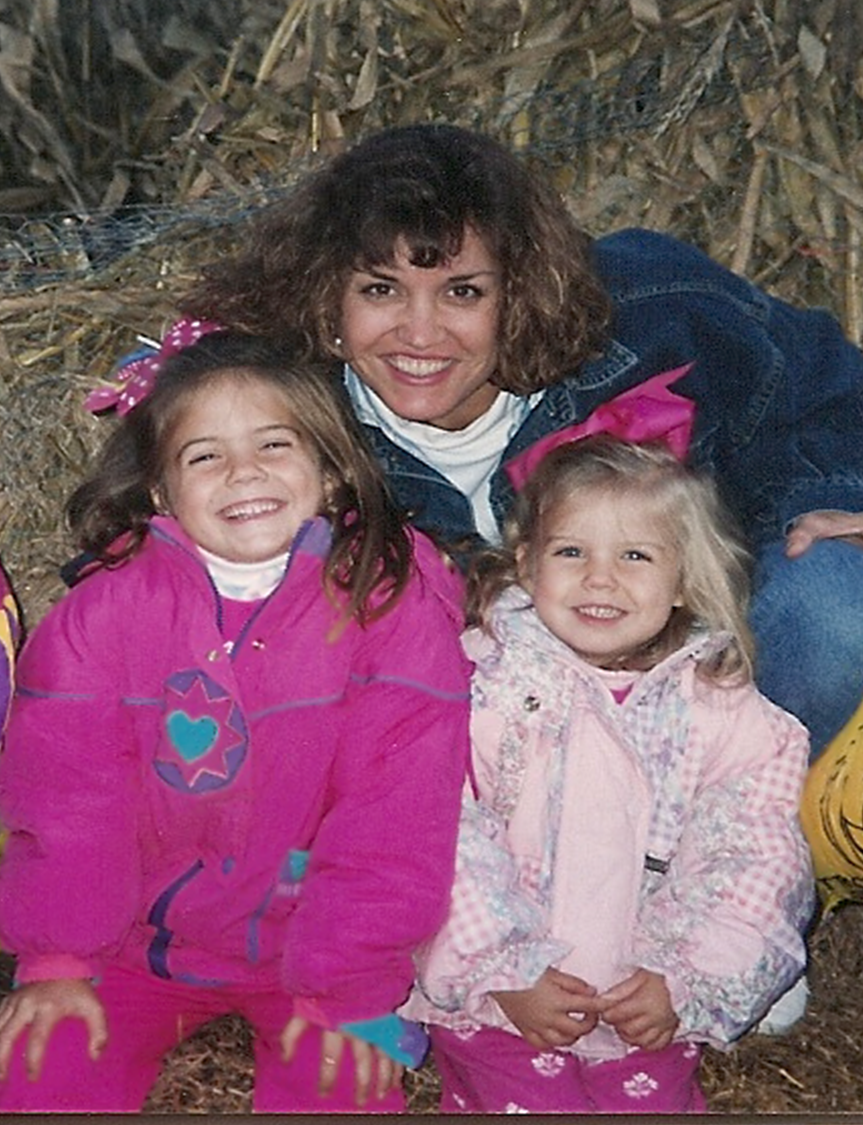
Motherhood is wonderful career….did I say career? Yes! No matter what your educational background is, what type of job you have now or have had in the past, or what your career goals are; as soon as you hold your baby in your arms, guess what…your career is motherhood. The career of motherhood is very demanding. It has multiple responsibilities, long hours, minimal financial gains and is a lifelong commitment. Have you seen the YouTube video trying to hire for the position of Mom? Wow, who signed you up for this job??
There is no other career that demands so much but rewards so greatly. Motherhood is a unique profession that demands 24/7 responsiveness. Unless Moms continually “refill” that internal pitcher that they pour out of daily, Moms will experience a change in energy, attitude and happiness. Your “job satisfaction” will plummet unless you take care of yourself too and when you are depleted and stretched too thin, the most important people in your life suffer. If you sacrifice too much without refilling yourself, you lose your best qualities that make you who you are.
This Mother’s Day week let’s commit to nurturing ourselves so that we can better nurture our children. After all, isn’t that what we Moms do?
1. We must be healthy
- Sleep. Even a quick 20 minute nap will help rejuvenate.
- Healthy eating. Take your vitamins! Low fat, high carb food like bagels, pretzels, and popcorn help to release “feel good” chemicals in our brain. Don’t skip meals, high protein foods and whole grains give energy. High fat foods drain energy.
- Exercise. Research tells us that exercise reduces stress. It will give a sense of calmness and relaxation. Besides, we need to be able to keep up with our kids! Take a walk!
- Go outside. Natural light is essential to feeling energized and positive. Even on cloudy days, a walk outside helps recharge you and increases natural feel good hormones.
- What are your basic emotional needs? Do you need inward time, to feel mothered, to feel protected?
- Laugh. Laughter is a large part of feeling well. Watch a funny movie, laugh at yourself. Even smiling increases endorphins, the feel good hormones.
- Find time to expand yourself. Be creative, read a book, listen to music….use your brain!
2. We must be intimate
- A woman who is intimate physically and emotionally with her partner is more relaxed, calmer and more confident.
- Intimacy builds couple relationship.
- Touch heals. Touch for women has been proven to lower blood pressure, heart rate, and bring a sense of peace. Hold hands!
- Keep the lines of communication open during the diaper years—the most stressful time of raising children (until the teen years!!) You can’t think that you will talk “later”. You must do small things now to stay connected with your partner.
- Celebrate each other!
3. We must be idle
- We must be willing to sit in a chair quietly.
- Map out two or three-minute activities that you can do to give yourself time during the day. For instance, take your morning coffee and drink it in front of the window for 2 to 3 minutes while your baby is entertained. Will these short moments change your life? Yes, you will become more satisfied which leads to a Mom who can nurture without resentment.
- Plan for at least a couple hours a week for alone time. That might just be a long bath or a walk through Target by yourself!
- Let go of the “completion complex”…there will always be laundry!
- Meditate or pray, both relieve stress. Slow down and breathe quietly, relax your muscles, and clear your thoughts. Twenty minutes a day will bring peace to your life.
4. We must always remember: We are not steering this ship!
- We must give up control over everyone’s lives.
- We must be able to adjust to change.
- Worry zaps energy and positive thoughts. Schedule worry time. Save all the concerns you have and only think about them once a day. This will make you feel better and free up the rest of your day from negative thoughts and worry.
- Choose our words carefully. Remember what you say results in how you feel.
- Lower the bar. It is OK not to be perfect. We feel inadequate when the bar is set too high.
- Have a conversation with a best friend. Women need comfort and support from other women. Share, you will find that all moms have similar challenges. We are not alone.
- Surround yourself with like minded moms. Moms who parent like you will give you support.
6. We must love our lives TODAY and TODAY and TODAY
- Step back and appreciate the moment several times a day.
- Be grateful for the moment, feeling grateful is a real mood booster.
- Write down why you are thankful, or the three best things that happened today.
- Engage in positive thinking, and you will be more in control of your happiness. Feelings follow thoughts.
- Resist the temptation to pile more chores and responsibilities on our plates, focus on the important only.
- Remember, we are useless to our families unless we fill ourselves up.
Childproofing 101

Staying ahead of kids in order to keep the house safe is no easy task….some days I would have been better off wrapping my four in bubble wrap!
New parents have so much to do! It seems the “to do” list is never-ending. At the top of every parent’s “to do” list should be child proofing. Keeping your precious little one safe is a #1 priority, and no simple task. Children are curious, quick, and smart! Just when you think that you have your child protected, you find your child standing in the center of the kitchen table swinging from the overhead light….or at least it seems that way! The truth is, accidents are the leading cause of injury and death in children. So many of these tragedies can be prevented with a little preparation. Child proofing is a MUST but, NOTHING replaces supervision. Child proofing slows a child down but does not totally prevent injury. Think about child proofing in layers….putting dangerous items in an upper cabinet and then latching the cabinet. We all know that any self-respecting toddler can push a chair over and reach that cabinet! Over the next few days, check back and we will go over a room by room check for child proofing and common mistakes that parents make!
General tips:
- Child proof ahead of your child! You never know the first time your child will roll over, begin to crawl, or pull up. Child proof before it is a must.
- Get on your child’ level to child proof. That’s right, crawl around and see what your child sees. You will be surprised at the number of dangers that lurk at your child’s eye level and not yours.
- Sign up to receive e-mail recall notifications at www.cpsc.gov New parents have so much baby equipment! It is hard to keep track of any recalls or safety notices. By signing up for e-mails on recalls you will be able to make sure your baby equipment is safe.
- Keep a notebook or spreadsheet with a list of all your baby equipment including serial numbers, and date and place of purchase. This is a quick reference guide for you to flip to when you receive a recall notice. Much easier than trying to find the numbers on your baby equipment and remember when and where you purchased it!
- Take a CPR class for parents! Local hospitals, the Red Cross, and other agencies offer CPR classes for parents. Sign up and be a prepared parent….knowledge is the key to peace of mind for you and protection for your child.
- Install outlet covers in every room. There are sliding outlet plates that replace your existing outlet plate and have a sliding “door” that slides to cover the outlet. These are less of a choking hazard.
- Remove rubber caps off of all door stoppers, they are choking hazards.
- Keep dangerous chemicals out of reach and locked up, provide a double layer of protection.
- Program the Poison Control phone number in your cell phone for quick use 1-800-222-1222.
- Use cabinet and drawer latches. There are many to choose from! Pick one that can be installed easily, there are adhesive mount latches for those areas that a parent may not want permanent mountings.
- Always use the safety belts in bouncy chairs, high chairs, swings…whenever there is one provided!
- Shorten or go cordless on curtain and blind cords.
- Know the names of the plants you have in the house, in case one is eaten! Put all plants out of your child’s reach.
- Install carbon monoxide detectors on every floor. Make sure there is one outside of bedrooms.
- Install smoke alarms in every bedroom and on every level of your home. Check the batteries every 6 months.
- Use corner bumpers on furniture with sharp edges.
- Install window guards for all windows above the first level of a home. Windows that can be opened more than 4 inches are dangerous.
- Secure all heavy furniture to the wall. Every year thousands of children are hurt when furniture is pulled over on them. Children pull out dresser drawers and use them as steps too. Keep the tops of furniture cleared of tempting items like toys, and knickknacks to deter a child from climbing up to reach them. This would include tall dressers, entertainment centers, book cases, and large screen televisions.
- Turn the water heater down to a maximum temperature of 120 degrees F.
- Keep lighters, matches and lit candles out of reach.
- Install gates at the top and bottom of stairways. Do not use pressure mounted gates at the top of stairs.
- Fire arms should be locked up with a trigger lock in place. Ammunition should be stored and locked separately from the fire arm. Do not keep fire arms loaded in the home. Teaching children about gun safety does NOT negate the need to lock up your guns. Children can’t be trusted around fire arms!
- Make a plan for fire evacuation. Talk with all members of the family and practice with a fire drill! Buy an escape ladder to store under your bed if you live in a two story home.
- Test homes built before 1978 for lead paint. For information about getting paint samples go to the National Lead Information Center’s website.
- Look for a safety store at your closest children’s hospital. These stores will sell child proofing products at cost and have safety experts there to answer questions. If you live in Indiana, the Riley Safety Store is available at several Indiana University Hospital sites. For more information visit RileyHospital.org, or call toll free 1-888-365-2022 or e-mail kids1st@iupui.edu.
Take a breath, enjoy the joyful moments of each day, and remember you don’t have to be perfect to be the perfect parent.
Cindy
Taking Care of Your Child’s Teeth

This cute little smile cost us several thousand dollars later to straighten it out….but worth it!
There is nothing cuter than a toothless grin of a baby. Next the cute little pearly whites that erupt create a darling smile, then there is a toothless grin again as the tooth fairy starts to make visits to your home, and then soon your child will have two big front teeth that look way too big for their mouth. As your child grows, their dental needs change too. Why is dental health so important for children? Dental decay is the most common chronic childhood illness. There are at least 4 million preschoolers who have had at least one cavity. Forty to fifty percent of children will have cavities before the age of five. 51 million school hours are lost each year due to dental health problems. The American diet is high in sugar, and we are using more and more non-fluoridated bottled water for drinking. This all adds up to an increase in dental cavities, and a decrease in dental health of our children. Children with cavities in their primary or “baby” teeth have more problems with poor weight gain, iron deficiency, speech problems and poor dental health as adults. Taking care of our children’s teeth is part of good health care!
I. When do baby teeth form and erupt?
- The primary teeth or baby teeth begin to form before your baby is born at about the 14th 19th week of pregnancy. The crown, or the white part of the tooth that is seen, continues to develop until several weeks to several months after your child is born.
- Total of 20 baby teeth, 10 on top and 10 on the bottom by about age 3.
- The first tooth to appear usually is the lower central incisors (the bottom two teeth) around 6 months of age. Don’t panic if your baby’s first tooth isn’t the lower two teeth…some baby’s teeth erupt to the beat of their own drummer!
- Teething can be painful for infants. Babies explore their world with their mouths, and during teething this can be uncomfortable. There can be redness, swelling in the gums, drooling, increase in finger sucking, and the need to bite and chew on any object. Some babies will pull at ears or rub their jaw line, teething pain is often referred to the ear area.
- Sometimes parents will see a “blister” where the tooth is about to erupt, this is normal.
- Many babies like a clean teething ring, frozen wash cloth, frozen fruit in a mesh feeder, frozen bagel or mom’s fingers to rub the gums.
- You can give acetaminophen, or ibuprofen (after 6 months of age) to help with the pain. Ibuprofen is a bit more effective for inflammation of the gums, but wait until your baby is at least 6 months to use this!
- Do NOT place oral numbing ointments on your baby’s gums. These over the counter remedies contain benzocaine. These treatments have little or no benefit and can cause a serious and sometimes fatal decrease in oxygen carried in your child’s bloodstream. Benzocaine is an ingredient in common treatments like Orajel, Baby Orajel, Anbesol and Orabase.
- Do NOT use homeopathic teething tablets. The FDA found there was inconsistent amounts of the toxic substance belladonna in these teething tablets.
- Teething pain usually occurs for 3 to 4 days prior to the tooth breaking through the gum. Pain should decrease once the tooth breaks through the gum line. There may still be some discomfort for a few days after. It is not a month-long process unless your baby is cutting multiple teeth one after the other.
- Teething does NOT cause a fever, vomiting, diarrhea or cold symptoms. If your baby has any of these symptoms with teething, he or she is probably ill too.
- Teething can cause an increase in drooling which can lead to a rash or irritation around the mouth and on a baby’s chest. Keep the area dry by changing shirts frequently, using absorbent bibs, and “water proofing” the skin with ointments.
II. When is the first dental visit?
- The first dental visit should be after the first tooth and/or by age 1. It is important to have your child’s first teeth examined. Dental problems can begin early. Children with healthy teeth can eat better, develop better speech, and dental cavities can cause a permanent state of infection in your child.
- Usually the first visit is just a visual exam—usually on mom of dad’s lap. Going to the dentist is just like a well child exam at your child’s doctor. We want to be sure we support healthy teeth, not just see the dentist when there is a problem!
III. How do you care for the first teeth?
- Wipe your baby’s first teeth using a wash cloth or gauze or a soft bristled baby toothbrush. Ideally, your baby’s teeth should be wiped or brushed twice a day. Once in the morning and once before bed. The earlier your child becomes accustomed to wiping or brushing their teeth, the easier it will be.
- You can use a small smear (about the size of a grain of rice) of fluoride toothpaste on your child’s tooth or teeth until age 3 and then a pea size amount after age 3. Fluoride is important! It helps strengthen your child’s teeth and prevent decay.
- You should help your child brush teeth until at least age 6. Children are not coordinated enough to brush teeth well before that. Sometimes this will be a battle, but it is worth the battle. We want to form good dental hygiene habits early! Do what you have to do to get teeth brushed. Check out these tooth brushing songs published by the American Dental Association (ADA). https://www.mouthhealthy.org/en/kids-brushing-playlist
- Have your child sit on your lap facing out, or you sit on the floor and lean your child back into your lap to brush.
- Let your child brush after you brush. Use circular motions on the teeth and brush along the gum line.
- Use stickers, games, songs, whatever it takes to get the tooth brushing done. If your child cries, brush quickly…but at least the mouth will be open!
- Never put your baby to bed with a bottle of formula or breast milk. This will result in decay in your baby’s first teeth!
- Never put juice or any other sugared drink in a bottle. The American Academy of Pediatrics recommends NO juice in the first year of life and limited amounts of juice in older children.
- Do not allow your child to walk around with a sippy cup of juice or milk all day long. This will leave a continual coating of sugars on your child’s teeth.
- You can begin to floss your child’s teeth when they start to touch. Again, this is a good habit to start young!
- As your child begins to eat table food, try to avoid high sugar snacks. Sticky snacks are the worst. Fruit snacks, dried fruit like raisins and any other sticky food must be brushed out of your child’s teeth.
IV. When do I worry about thumb sucking, finger sucking and pacifiers?
- It is perfectly normal for infants and young children to need to suck. Sucking decreases stress in young children and makes for a happier child!
- It should be discouraged starting at about age 18 months. Parents should limit pacifier use to bedtime and nap time.
- All thumb sucking and pacifier use should be discouraged after age 3.
- Most children stop on their own, but some need help. Most will then quit with encouragement from the dentist and parents. Do not use negative reinforcement like hot sauce on a thumb, taping fingers, or putting mittens on your child.
- Prolonged sucking can create crowded, crooked teeth or bite problem. The fingers, thumb and pacifier all affect the teeth the same way.
VI. My child grinds his teeth, is this bad?
- Teeth grinding happens in many toddlers. The toddler’s molars are very smooth, and children will often grind.
- Most children outgrow the habit by about age 6.
- If teeth grinding continues after permanent teeth arrive, then speak with your child’s dentist.
VII. What should I do if my child injures his mouth and teeth?
- Be sure and ask your dentist when he or she would like to be contacted for a tooth injury.
- If a child knocks out a permanent tooth, keep it moist or drop it into cup of milk and call the dentist immediately or head to the ER.
- If a child is hit in the mouth–always call the dentist for an exam even if there is no obvious damage.
- If a child chips a tooth–call the dentist even if there is no sensitivity.
- Your child should use a mouth guard for sporting activities!
Start good dental habits early…find your child a dental office home where both you and your child are comfortable. Dental care should not be scary but just a part of good health. Take care of your child’s smile, it is one of the most beautiful things a parent sees!
Take a breath, enjoy the joyful moments of each day, and remember you don’t have to be perfect to be the perfect parent.
Cindy
Think about a straw cup instead of a sippy!

Sippy cups are everywhere…there are aisles and aisles of them at most discount and baby stores. Cups with soft spouts, cups with hard spouts, cups with valves, cups without valves, cups with straws, cups with handles, and cups of every color and size. Choices, choices and more choices! Once again it seems a parent needs a class on how to choose a sippy cup. I am going to make it easy for you….
Sippy cups are a transitional cup…..Transitional! That means it is a cup for a child to use for a short period of time when transitioning from a breast or bottle. Children are developmentally capable of drinking from a lidless cup with very few spills by age 3. Capable if we allow them to develop the skill.
A cup should be introduced at about 6 months when a child starts solid foods. I have always recommended a sippy cup with a hard spout and without a valve. I now feel that a child should use a straw cup over a sippy cup. Children often use sippy cups like a bottle. Their heads are tipped back and they suck on the spout just like a nipple. When children suck, their jaw, lips and tongue all move simultaneously. This motion does not allow the jaw, lips and tongue to work separately which is necessary for speech. The tongue also is in a forward position pushing on the teeth, which can cause a misshapen mouth and a tongue thrust. This all can result in problems with speech and articulation. The use of a straw cup will often prevent this from happening.
So, introduce a valveless hard spout sippy cup with meals at about 6 months of age. Start working with your child to use a straw cup. Usually by 9 months of age a child is able to use a straw. You can start by using a cup that can be squeezed, put gentle pressure on the cup to bring fluid up into the straw. Try using an open or lidless cup with meals and save the straw cup for times that you are away from the table and want to prevent spills. Your child can also practice with an open cup in the bathtub…no worries about spills there! So parents, let go of that sippy cup! Allow your child to learn how to drink with a lidless cup and use a straw cup when spills need to be prevented. Their teeth and their speech will thank you. Relax, there will be a few spills, but there is no reason to cry over spilled milk!
Take a breath, enjoy the joyful moments of each day, and remember you don’t have to be perfect to be the perfect parent.
Cindy
 raisingkidswithlove