Play is important child’s work!
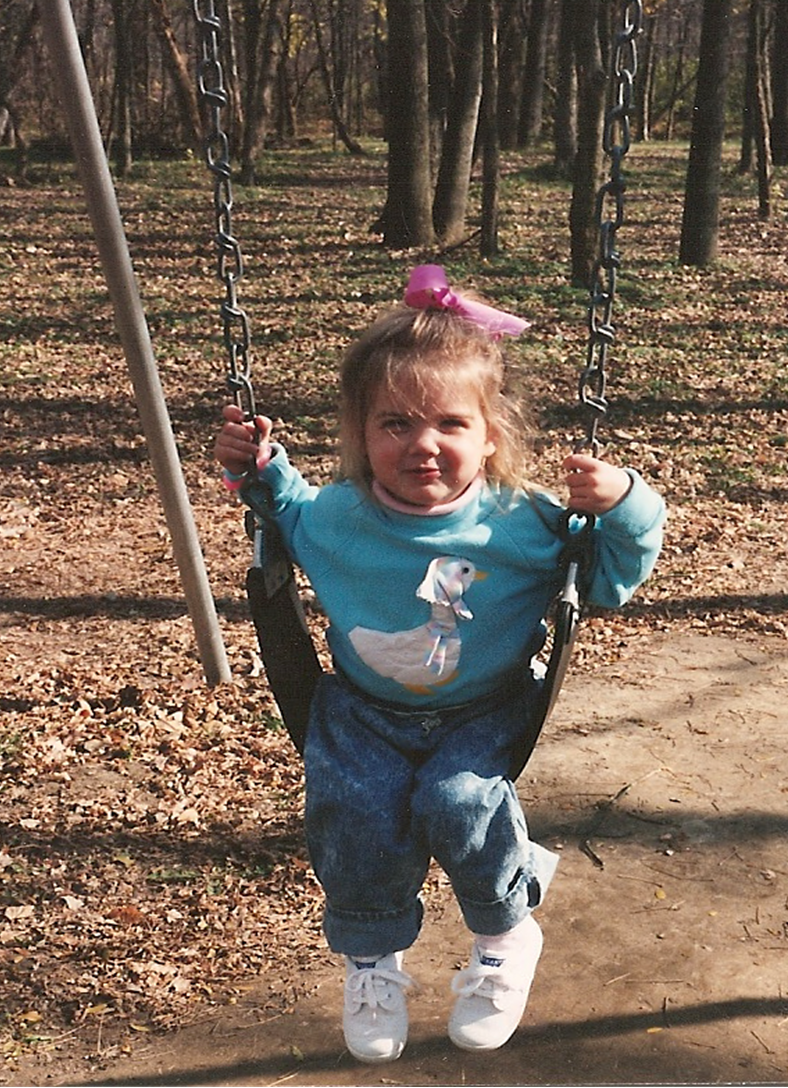
If you are a kid…then play is your work! If you are an adult…then learn to play!
Sit for a moment and watch your child. Just watch…don’t jump in and give your child something to play with…just watch what your child will do. Children, if left alone and given the opportunity, will play happily with whatever is there. We parents don’t have to do anything or buy anything! Wew! One less thing on your “to do” list! As a matter of fact, parent led play or very organized play is not as valuable as your child playing on his own!
There has been a decrease in the amount of free play time our children have over the last 50 years. Our children now have less recess time at school, go to preschool at an earlier age, have more toys than children of years ago, watch more TV and play video games, play on more organized sports teams and at a younger age…all of this combined has resulted in less true free play time. Much of our children’s play has become adult led and organized. So, why is this a problem? Child led free play is so much more valuable! Free play is a child’s work and it…
- Helps children learn how to work in groups, share, negotiate
- Helps children build a foundation for problem solving
- Helps children figure out the world they live in
- Helps children develop decision making skills
- Helps children find their interests and passions
- Helps develop imagination
- Helps children try on different roles, learn empathy for others
- Helps increase language skills
- Helps foster creativity
- Helps children learn about nature and their environment
Adult led organized play can stifle all of this child’s work. Adult led play forces children to play according to adult rules and this decreases their creative play and their development of leadership skills. Watch your child, they often play with a toy much differently than the way a toy is “supposed” to be used! If left alone, a child will create all kinds of ways to play with a simple toy, if it is not a “one button wonder”. So many of the newer toys do one thing with a push of a button, these types of toys leave little to a child’s imagination or creativity. Going back to some of our basic toys like blocks, puzzles, stacking cups, books and dress up clothes may be much more valuable to our children’s development. Research also shows us that a child really only needs 30 minutes of adult led play a day but at least 60 minutes of child led play a day. So often we parents feel like it is our responsibility to lead our child in play! Child led play is also better than play that is “entertainment” based like TV, video and computer games, and movies. The less screen time a child has before the age of 2 the better! This type of “play” decreases creativity and active play which may be part of the reason we are struggling with an increase in childhood obesity.
Play at every stage of development in childhood is more than just fun, it is a child’s right and a necessity. As a society, I think we underestimate the importance of play. Do you want your child to be happy and successful? Don’t tell your child to just “hit the books” but tell him to “go play.”
Take a breath, enjoy the joyful moments of each day, and remember you don’t have to be perfect to be the perfect parent.
Cindy
Yes Mom and Dad, your child is resilient.
It is “back to school” time. Honestly, I have always met this time with very mixed feelings. I was excited for my kids and their new experiences ahead and I loved shopping with them for new notebooks and pencils and the coolest folders and pencil pouches. The first day of school pictures of our kids scrubbed and smiling are treasures, but I also was a bit melancholy as I thought about the ending of summer and our relaxed schedule and the family fun of the season.
This year as I listen to the conversations of parents I hear the fear in their voices, I see masks on the school supply lists, I hear about distancing during lunch and recess, and no hugs from teachers; my heart just feels sad. What will these children feel like the first day of school? How will they feel wearing masks? Do they feel safe? How will they continue to grow and learn if their lessons are remote? Will there still be the excitement of the First Day of School?
Then I stop and tell myself, kids are resilient. Kids are pliable…their little hearts and brains adapt. It is easier for them than me.
We as parents cannot control the circumstances of our child’s world, but we can help him or her build resilience to be able to handle the bumps in the road.
Resilience is more than hanging on just hoping that things will get better, it is teaching your child to be adaptive and accept challenge. Resilience is also the ability to appreciate all that is good in life right now instead of concentrating only on the negative. This virus is a challenge, a big one, but there are always challenges in life and supporting our child’s resilience is one of the keys to a happy, successful life. So, what can we do as parents to support our children as they navigate their new world?
Control your emotions
- Your child will follow your lead. If you are anxious, your child will be anxious. Taking care of yourself is key to handling your anxiety. Exercise, eat well, establish a sleep routine, connect with others, and take time to just be. We can’t control the outside world, but we can control our home. Create calm, be sure your child feels safe.
Concentrate on the positive
- Talk in terms of what is good right now. I am a firm believer that every child should end the day on a positive thought. What has been good today? Resiliency focuses on the good even in times of challenge.
Help your child with self -regulation
- When a child reacts with tantrums, whining, acting out, or defiance, many are experiencing powerful feelings or emotions they can’t control. Be patient and work with your child on addressing the emotion:
-
- Name the emotion or feeling.
-
- “Change is difficult, are you feeling angry or frustrated with all the changes with school?”
-
- Ask your child about what he or she feels.
-
- Defining this helps your child realize when he or she needs to work on self -calming.
- “When you are upset do you feel your heart pounding or your tummy feeling funny? That is what it feels like when you are very upset.”
-
- Model what your child can do to stop the escalation.
-
- Take a deep breath, take a step away, separate until he or she feels calmer.
-
- Encourage talking about the feelings with you or a trusted friend.
- Move on, find something positive to do.
- Give your child some control or choices.
-
- When a child is asked to do something he or she is not happy about, giving choices or some control will result in more cooperation.
- “I am sorry that we have to wear masks to school for safety, why don’t you come with me to choose one that you like the best.” “I know it is disappointing that your soccer team has been cancelled. Would you like to kick the ball in the yard for practice every day or should we head to the park? You choose how to spend your time.”
-
- Plan a few minutes every day to simply be with your child.
-
- This is time to talk, play, laugh, just be. Your child needs this time to know that no matter what is happening, or how he or she is feeling or reacting, he or she is loved.
Don’t try to remove all stress or challenge from your child
- Placing your child in a bubble or rescuing him or her from all stressors, results in a less resilient child. Exposure to stress and challenge with loving support from parents helps a child develop coping skills.
So as my heart feels heavy as I see our children put on their masks, distance themselves from large groups of friends, navigate the disappointments of sports and other activities being cancelled, celebrate birthday parties with drive by parades….I still see children smiling, accepting the changes, spending more time with family, learning how to wash their hands and stay healthy, learning through technology, reading more books, having more quiet time and yes becoming more resilient. Maybe I can learn from them. Smile Mom and Dad, your child is resilient
Take a breath, enjoy the joyful moments of each day, and remember you don’t have to be perfect to be the perfect parent.
Cindy

Resource:
“Mommy time out” a must!

1. Play some calming music. Background noise of music can bring a calming effect on you and your child! When your “time out” is over…try playing some upbeat fun music to lighten the mood, dance!
Take a “Mommy time out” and you will enjoy being a Mom even more…trust me. Happy Mother’s Day to all of you wonderful Moms!Take a breath, enjoy the joyful moments of each day, and remember you don’t have to be perfect to be the perfect parent.
Cindy
Keep your child’s smile healthy and bright!

Image courtesy of American Dental Association
I can remember that feeling of excitement when I first saw the top of a little tooth poking through our oldest child’s gum….I must admit I remember the shock the first time I felt that tooth when I was nursing too!
(Remember, children can bite only if latched incorrectly, and that is usually when they are “playing” at the end of a nursing. Put your child down and say, “that hurts!” If you put your baby down every time he or she bites or you break the nursing latch when you realize your baby is no longer sucking to eat…there will be no problems. Just because your baby is teething or has teeth is not a reason in itself to wean from the breast!)
We have always known that care of those cute little teeth was important, but the recommendations in fluoride usage has changed over the years. How we care for our child’s teeth will affect his or her health. Those baby teeth ARE important! Dental decay is an active infection in a mouth…and we want to protect those little pearly whites for the best smiles now and down the road!
Dental decay is the most common chronic disease of childhood! 24 percent of children in the U. S. have a cavity before age four! 53 percent by age 8 and 56 percent by age 15. There has been a significant increase of dental decay in children in the 2-4 year old age group. So, what are parents supposed to do to protect our little ones’ precious smiles? There is a plan! http://pediatrics.aappublications.org/content/early/2014/11/18/peds.2014-2984.full.pdf+html
- Brush with fluoridated toothpaste at the first sign of a tooth. (Yes you heard me correctly…that is a big change from several years ago. Past recommendation was to use “baby toothpaste” without fluoride until age 2!) Starting to brush teeth from moment one teaches a lifelong habit for your child. At a minimum, the recommendation is to brush twice daily, morning and night. The most important brushing is the nighttime one before bed. Parents should use a very small amount of fluoridated toothpaste (the size of a grain of rice) until age 3. (see picture above) After age 3, children and adults should use about a pea size amount of toothpaste. Parents should supervise tooth brushing until about age 8 when most children are proficient. It is not important to worry about what direction to brush on the tooth….just that all sides of the tooth and the gum line are brushed.
- Drink tap water! Many of us have become a bit of “water snobs” drinking only a certain brand of bottled water! Most bottled water does not have fluoride. Fluoridated water has been proven to prevent dental decay in children and adults! So fill up your child’s straw cup and get a glass for yourself too!
- Monitor sugar and sticky foods. We know that tooth decay increases when there is sugar on teeth for long periods of time. Children who drink sugared drinks (this includes juice!), sleep with bottles, or use a sippy cup with milk or juice in it all day are more prone to decay. Keep water in your child’s cup except at meals and stay away from a lot of sugared or sticky foods and treats.
- Prevent bacteria in the mouth. Tooth decay is caused by a bacteria called streptococcus mutans. Parents who have a history of poor dental health (lots of cavities) should be very cautious about sharing cups and cleaning those pacifiers in their own mouths! Transfer of that bacteria early on increases your child’s risk of early dental decay. Most importantly, parents should be sure that their own dental health is good…having active decay that is untreated increases the streptococcus mutans in your mouth increasing the likelihood your child’s mouth will colonize with it too. We want to be sure that the snuggles and kisses you give your child does not transfer bad bacteria…because those kisses are a necessity!!
- Find a dental home for your child. Your child should have a dental visit by age 1. Dentists are an important part of your child’s health care just like your child’s doctor! Make every 6 month visits to your child’s dentist to promote good dental health. If your child sees the dentist for preventative care, there may never be a need to develop a fear…there will be no cavities!
- Ask about fluoride varnish. Fluoride varnish is a sticky resin of highly concentrated fluoride. Your child can have two or more applications per year and it is very effective in preventing dental decay. Some pediatricians are applying this at well child visits, and often dentists are using this instead of the fluoride rinse or gel of the past. A child can eat right away after this application and it actually will stay on the teeth for a longer time and can help restore early decay.
So those are some of the best tips to prevent decay in your child’s teeth. The habits we form early in our child’s life will have long -lasting effects on their dental health and smiles in the future. Keep your child’s sweet smile bright!
Take a breath, enjoy the joyful moments of each day, and remember you don’t have to be perfect to be the perfect parent.
Cindy
The “how to” of the discipline process

Remember our mantra: “Attention is attention to a child whether it is negative or positive, attention to a behavior reinforces it!” And “Consistency is the key.”
A few pointers to start:
1. Set realistic guidelines. Know your child’s developmental stage. As a parent, you may want your child to share his toys with friends, sit still during church and say “please” and “thank you”, but you have to consider what’s age appropriate when it comes to behavior — and gauge your expectations accordingly. Do not discipline when the child is not able to comply because of age or development.
2. Be patient. Patience is the key. Often parents will complain that they have tried a discipline strategy and it didn’t work. Timeout was tried over and over again, but the behavior continued. Remember, it takes a while for your child to test to see if you really mean it, and then it takes a while for a child to gain control of the behavior. Children’s temperaments also play a role. Consistency is the key, say what you will do and then do what you say every single time.
3. Acknowledge your child’s feelings. When it comes to discipline, parents need to be warm but firm. Give your child the words to describe a feeling. “I know you are frustrated, but we don’t hit.” “I know you are angry with mommy” “I know you are sad.” Helping your child describe what he is feeling with words will eventually decrease the acting out. This also helps your child begin to develop empathy, he or she will know how others feel because they have felt it too.
4. Listen. As your child gets older, parents will need to listen to a child’s reasoning. It is fine to give an older child a chance to explain, and even accept the child’s explanation, but there should not be engagement in an argument. Arguing will not convince a child that as a parent you are right. You simply will say, “I know that you don’t understand now and are upset, but this is my decision.” Parents should never engage in an argument with young children; toddlers and preschool age children will never look at you and say “I understand Mom, I will go to time out!” 🙂
5. Model good behavior. To teach manners and socially acceptable behavior, most children will learn by modeling. When a child is prompted “Say thank you.” “Say I am sorry.” and the child sees the parent model the behavior, they will eventually incorporate those manners and behaviors. Do not force but help your child become socially acceptable. If your child will not say please, thank you or sorry, say it for the child. “Connor says “Please.” Modeling poor language, yelling, name calling etc. will result in a child behaving like you!
6. Give your child choices. Many times you can head off a conflict with choices. Giving choices often increases cooperation. When a child feels more control, they often will not act out as much. Choices about which outfit to wear, choices between two healthy foods, even give choices for non negotiable things like brushing teeth. “I know that you don’t like brushing teeth, but it is important, so would you like to brush your teeth now or after you put on your pjs?” Find every day choices for your child.
7. Know when to walk away. Temper tantrums are a child’s way of blowing off steam and communicating their frustration. They are a part of almost every child’s normal growth and development during the toddler years. Some children have more than others. If you respond to them then you validate that behavior; but if you ignore them you will see them gradually subside. If a child is totally out of control with a tantrum, sit next to your child, speak soothingly and place your hand on him gently. Touch will often calm. Do not pick up and comfort, this will again encourage the behavior. Tantrums often will occur when a child is hungry, tired, or has figured out that they work! Don’t engage with an older child if you feel like he is “pushing your buttons”. If you feel frustrated walk away until you can respond calmly. This won’t reinforce the behavior and teaches them appropriate behaviors to model.
8. Be creative and fun. Many times a child will be more cooperative and need less discipline if a parent “plays to gain cooperation”. For example, pretending to feed an animal the toys when you pick them up, racing the kitchen timer to get dressed, singing a brush your teeth song, …get silly, have fun, and watch your child cooperate!
- Remember effective discipline must remove the most valued thing from a child, your attention. Removing attention is much more effective than spanking or hand slapping which is a temporary fix.
The discipline technique I like is basically the “1, 2, 3 Magic” program developed by Dr. Thomas W. Phelan PhD. www.parentmagic.com This program has been used by countless schools and parents for many years. It is simple and effective, and can be used with a little modification clear until the teen years. Even during the teen years, the basic principles are effective. I teach this program with a few small changes, but this discipline process when used consistently will help with almost every discipline issue.
1,2,3 Magic
1. The parent calmly gives a warning with words and by holding up 1 finger. “No touching the dog food. That’s one.”
2. If the behavior stops great, if not the parent gives a 2nd warning by holding up 2 fingers and saying… “That’s two.”
3. If the behavior stops, great if not the parent holds up a third finger and calmly says, “That is 3, time out.” or “That is 3, take a break.” Your child then takes a time out. This time out should be in a specific place away from activity and toys. If your child is a toddler, it will need to be in a place where the child can still see you. If the child is older, the spot can be on a bottom step, in a chair in the other room, or when the child is about 4 or older, the bedroom is a good choice. The “break” should be about a minute a year. When the “break” is over, you act as if nothing had happened. There are no lectures, or lots of hugs and kisses. This must be done without emotion or many words! The more emotion and words that are used, the more attention has been given to the behavior. There should be one short explanation given to the child. There is no yelling, and no response to the continued complaining or a fit from the child. This is so important!! When a parent does not give a long explanation, does not get emotionally upset, and then follows through with an appropriate time out, the parental authority is unquestionable. If this is done consistently, the child will know exactly what to expect from a parent. Remember, consistency is the key!
Common questions:
- How long between counts?
Just long enough to give your child a chance to gain control of their behavior and respond. This does not meant “That is 1…1 1/2…Listen to Mommy!… 2…. Stop touching it! You don’t want to go to time out! 2 1/2 …please stop….2 3/4….I really mean it…..!! There is only a few seconds between counts and no extra words or warnings.
- What if there are several problem behaviors one right after the other?
You do not need to start a new count for each behavior. For example.. “No cookies now.” The child screams at you. “That’s 1.” The child runs and throws a toy. “That’s 2.” The child tries to take a cookie off the pantry shelf. “That is 3, time out.”
- What if the behavior is serious, like hitting?
There are several behaviors that you will determine are an automatic 3. In our house that was hitting, biting, shoving and name calling. Automatic time outs should occur for any behavior that is physical or aggressive.
- What if your child counts with you?
I promise if you use this system your child will at some point count with you or give you a 1, 2 or 3 time out! Try not to laugh. It is up to you on your response. You can ignore the counting completely. No words, no emotions. If you are able to do that, the behavior will stop. I could not, it was like nails on a chalk board when one of my children counted with me…so it was an automatic time out in our house. You decide!
- What do you do in public?
This is a very common time for children to push the limits, especially if you do not follow through when you are not at home. Always set your behavior expectations before getting out of the car. “I want you to hold Mommy’s hand when we are in the store.” If your child does act out in public, if you are consistent with the 1, 2, 3 Magic at home, often you can control your child’s behavior with just a 1 and a 2. If you get to 3, then you must find an appropriate time out place where you are. This could be leaving and going to the car, turning the shopping cart around in the grocery store away from you and ignoring, sitting your child on a chair in the center of the mall…or for a school aged child a delayed time out at home away from TV etc. Do not go back to lots of talking and emotion when you are out trying to avoid the time out when in public. If you are embarrassed and back down, then your child will quickly learn you will not follow through when you are out and about!
- What if the child will not stay in time out?
You must continue to bring the child back to the time out place with no emotion or talking. Your child will get it! The first couple of days may result in many trips back to the time out spot, but you must be consistent! For a young toddler you also may choose to remove the tray off the high chair, strap your child in, and turn the child away from you. This is a great way to teach time out in the beginning.
- What if your child will not come out of time out when it is over?
Do not try to persuade—just say “you can come out when you are ready!” If you give a lot of attention to this behavior “Come on now, it is all over. Come on out and play. Give Mommy a hug…..” This will result in this behavior again, and may even reinforce the behavior that led to the time out!
- What if my child yells at me and calls me a “mean mommy or daddy” or “I hate you!”?
I know that this will hurt…no parent likes to hear those words, but you must ignore the behavior! Your child doesn’t really know what the impact of these words are, he is just angry. You know that your child loves you and you love him, which is why you are disciplining! Remember if you respond with emotion and a lot of words, the behavior will happen again!
So those are the simple rules for this discipline approach. It does work…if the rules are followed. Soon your child will know what to expect if a behavior is inappropriate and your home will not be filled with spanking, yelling, and lots of arguing and emotional responses. It takes practice and it takes consistency. Be patient with yourself!
Take a breath, enjoy the joyful moments of each day, and remember you don’t have to be perfect to be the perfect parent.
Cindy
Celebrate Dad…he is very important!

Happy Father’s Day to all the Dads who make such a difference in their kids’ lives!!
Celebrate Dad this weekend…and celebrate BIG! Dads have such an important role in families, and often we don’t recognize the importance. Research tells us that both sons and daughters are better adjusted, more successful in school, build better relationships, and are more productive adults when Dad is involved in their lives throughout their childhood. Male role models are essential to both girls and boys and as a society we need to encourage and support good fathering.
I don’t have to read any study to know this truth, I see this truth in my own life and in the lives of the young families I work with. My own Dad has given me many gifts, but the greatest is the example of what a loving, strong, sensitive, supportive man and father looks like. Because of his example, I married a loving, strong, sensitive, supportive man who is a wonderful father to our children. Children, both boys and girls, NEED Dads to set this example of real manhood in their lives. Dads influence their daughters’ choice of their future mates and they influence the inner character development of their sons.
Dads are different from Moms, not better, but different. A Dad’s parenting complements a Mom’s and children thrive with both styles of parenting. The easiest way to see the difference is to watch the reaction a child has when an involved Dad begins to play. Dad’s play is usually more active, less controlled, often involves a challenge and problem solving and usually results in an increase in laughter and squeals. (This often resulted in a later bedtime in our house!) Moms’ play is usually more measured and planned. Different play resulting in different accomplishments.
Over the last several decades, there has been an increase in the amount of involvement fathers have in parenting their children. This is a very good change for our children. Too often we as a society do not offer enough support to our Dads. New Moms often act as “gatekeepers” and prevent Dads from fully participating in the care of their newborn which can result in a Dad who is not confident in his role. Television shows often depict Dads as clueless in their role as a parent, and as a society we often offer more support groups, books, and events for the empowerment of Moms leaving out Dads. If we truly want to give our children the best start in life, we need to be sure that Dads and male role models for our children are supported, encouraged, and given the time they need to interact on their own with our children. Yes, Dads are very important.
So, stop for a moment and thank all the Dads in your life; make sure they know how important they are in your life and your child’s life. Go make that newspaper crown, fix his favorite meal, let him put his feet up and let Dad be “King for the Day”….he deserves at LEAST that! Happy Father’s Day to all those strong men who embrace fatherhood with love, this includes my own Dad and my wonderful husband!
Take a breath, enjoy the joyful moments of each day, and remember you don’t have to be perfect to be the perfect parent.
Cindy

“Hurry up or I will leave without you!” and other discipline techniques that don’t work!

There are some discipline techniques that just don’t work as well as others!
I can remember sometimes simply reacting to a behavior of one of my kids, but not really using a discipline approach. The result was never very effective. Some typical reactions just don’t work, or result in other issues later. Here are some of the most common “discipline reactions” that are usually not very effective:
- “If you don’t hurry we’ll leave you here.”
Threats teach children not to take their parents seriously. Give a child a consequence that you know you will follow through with and makes sense. Your child knows that you will not leave them at home alone. It is an empty threat, one that you will not follow through with. Think twice, do what you will say! A better choice if you have a child that is dawdling would be:
“If you don’t hurry we will not have time to play at the park on the way home from the store.”
Logical consequence and something you can follow through with. So, those times I grounded a child for life….hmmmm
- “No dessert unless you clean your plate.”
Do not use food as a punishment. “No dessert unless you eat your broccoli” can result in two things. Number one, you have told your child that dessert is better than broccoli…now in your opinion that may be true, 🙂 but you want your child to think that nutritious food is on the same level as desserts! Number two, children learn very quickly to negotiate and then parents usually back down.
“If I take one bit can I have dessert?”
“No take two.”
“How about one and a half?”
“Take one.”
Child cries and whines. Parent responds by giving in. Soon a child figures out that negotiation works and everything becomes a negotiation and is exhausting!
- “What a good boy you are!”
Complimenting your child is wonderful. We want to encourage behavior we like, but be specific as to why your child is good.
“You have been so good in the grocery store, I like how you sat in the grocery cart without trying to stand up!”
This type of statement lets your child know what kind of behavior you expect and like, blanket praise does not work as well.
- “If you loved me, you wouldn’t do that.”
Never connect behavior to love. Your child loves you and you love your child unconditionally. Do not try to control behavior by using guilt. Give your child a reason to behave the way you would like.
“It would be such a big help if you picked up your toys out of the kitchen so I can make us dinner.”
“Help me put your shoes on so we can get to the store and buy food for lunch, what is your favorite for lunch?”
- “If you don’t behave I’m going to call your father or mother or grandparent or Santa….”
This undermines your authority. It is risky to show that you have no recourse other than to tell dad or another person. You are the parent, don’t give your authority to someone else! Besides, what can Santa do??
- “Why did you do that?” or “What is wrong with you?”
Children don’t know why they behave wrong or can’t articulate a reason. Asking won’t help them find a reason. You can walk your child through the problem and help them find a reason for their behavior, describe the emotion your child is feeling, but asking why doesn’t work. A child really doesn’t know why he or she just squirted all the lotion from the bottle out on the floor! Asking only frustrates you!
- “Why can’t you be more like your sister or friend?”
Comparison is damaging. Children should never feel like they need to compete for parental love. Comparing siblings results in an increase in sibling rivalry and can damage the relationship between sisters and brothers. Your child is unique! I believe that rules in a home should be the same for all your children, but your discipline approach to each child may be slightly different depending on the temperament of the child. Remember each child has special gifts and special challenges…your role as a parent is to embrace both.
- “You are naughty!!”
You want to send the message that the behavior is bad—not the child. Parents need to make it clear that they believe their kids are good at heart.
“Why did a kind kid like you say something so mean to your friend?” “This is not like you behaving this way…”
Your child is not bad, the behavior is.
- “If you behave, I’ll buy you a toy.”
Bribes won’t win you anything and makes it just plain expensive to get out of the grocery store every week if you are buying something in the check out lane! If a parent uses bribes you may end up having to buy good behavior on an ongoing basis. Reward charts do work, but reward charts are a temporary incentive and the best rewards are your time or a special activity not an item that is bought. The toy you buy brings temporary excitement, your time tends to be a more lasting reward. Continual bribing molds a child into an externally motivated child, as parents we would rather have a child develop internal motivation for good behavior.
- Spanking
There were certainly times when I did not discipline in the most effective way! We all react out of anger and frustration at times. I can remember thinking, “Did I just say that?” The key is using effective discipline MOST of the time, and not beating yourself up when you are not effective. Remember too, there is a great lesson to your child when you apologize for not handling a situation well.
“I did not like the way you treated your sister a few minutes ago, but Mommy should not have said what she did. I am sorry.”
We are parents, we are not perfect, but having an effective discipline plan and not simply reacting with emotion to an inappropriate behavior by your child is important! Tomorrow….the plan!
Take a breath, enjoy the joyful moments of each day, and remember you don’t have to be perfect to be the perfect parent.
Cindy
Reese Eggs….and other healthier choices for Easter baskets!
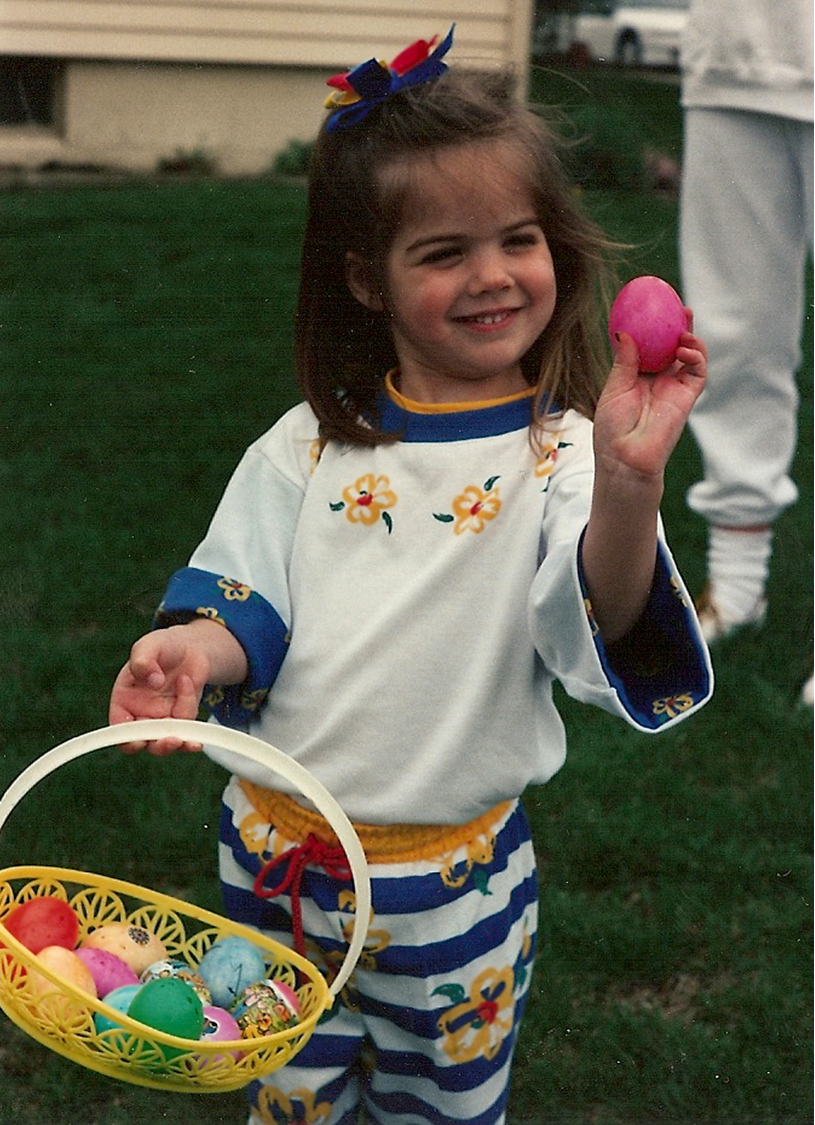
I am going to be honest…I will have my fair share of Reese Easter Eggs this coming Sunday! I love them, along with a few Whopper eggs. Candy is a huge part of Easter celebrations in many homes. I believe that everything has its place in moderation (thus the Reese Eggs) but of course there are lots of other options for filling Easter baskets! Spring is a great time to be thinking about some outdoor activities and toys to fill those baskets. Traditionally, our kids always got a few of those items, like sidewalk chalk and bubbles. Target dollar aisle is a great place to start! Take a look at the list below, there are lots of options….post a few ideas that you have that will make your little one smile on Easter! My kids will still get a basket on Sunday, yes, even at their ages! I also have a new grandson (6 months old) who will have a basket with books, teethers, sippy cup, bowls, sun screen and a few toys. No candy yet! I will put a few healthy choices in my “bid kid”baskets, but theirs won’t be complete without a little chocolate! 🙂
- Bubbles
- Sidewalk chalk
- Cute socks
- Hair bows or clips
- Matchbox cars
- Sand bucket and shovel
- Stacking cups
- Punching balloons
- Beach ball
- Plastic boats
- Rubber balls
- Slinky
- Windmills
- Jump ropes
- Play-dough
- Crayons
- Coloring books
- Preschool scissors
- Finger Paint
- Stickers
- Books
- Vegetable/Flower seeds and child sized garden tools
- Sun hat
- Sun screen
- Water bottle
- Movie tickets
- Sun glasses
- Flip flops
- Pool shoes
- Kites
- Flashlight
- Bug catcher
- Magnifying glass
- Cute toothbrush
- Silly straws
- Small dinosaurs
- Magnetic letters
- Sponge balls and toys
- Squirt toys
- Parachute men
- Model airplanes
- Card games
- Sunglasses
- Finger puppets
- Hula hoops
- Small musical instruments like egg shakers and harmonicas
- Bath toys
Fill those plastic eggs with:
- Yogurt covered raisins
- Dried fruit
- Fish crackers
- Teddy Grahams
- Stickers
- Cereal
- Puzzle pieces…they can put them together to see if all the eggs have been found!
- Marshmallows
- Pretzel snacks
- Granola mix
- Washable tatoos
Non-candy treats for the basket:
- Granola
- Squeezable yogurt
- Dried fruit
- Popcorn
- Bags of pretzels
- Fresh baked items
- Fresh fruit
- Fruit cups
- Small tubs of “peanut butter to go” for dipping
- Honey straws
- 100% juice box
- Small packages of cheddar bunny crackers
Baskets are great…but you can put your Easter basket items in the back of a dump truck, in a baby stroller, shopping cart, sand bucket, beach bag,…get creative!
Post a few ideas that you have!
Take a breath, enjoy the joyful moments of each day, and remember you don’t have to be perfect to be the perfect parent.
Cindy
Early to bed and very early to rise…that is a toddler!

Kelsey up and at ’em bed hair and all…always smiling and more chipper than me at her early wake time!
Oh I remember those mornings…waking to the sweet cry or call from my toddler’s room at hmmmm 5:00 am? Neither of us was really ready to start the day, and both of us were crabby by 9:00 am! Early morning waking and toddlers seem to go together. A very common question that many parents have is, “How can I get my toddler to sleep later in the morning?” ” What is a “normal” wake time for a toddler?”
The first answer is…there is no “normal”. Every child is certainly different. There always is that parent that has a 2-year-old that sleeps until 8:30 every morning. That was never me, and most of us will not have a toddler who lounges in bed in the morning! In general, toddlers are wired early to bed and early to rise. Many children will wake up by 6:00 am, so if you are not a morning person, you will become one! (Maybe with the help of coffee!) Toddlers will sleep about 11 to 12 hours at night, so with a bedtime of 7:00-7:30 pm that gives them a wake time of 6:00 to 7:00 am. Pushing back the bedtime until later will usually backfire for most children. A late bedtime usually results in an earlier wake time because the toddler will become overly tired. I know that does not make logical sense, but that is a toddler! Here are a few tips that might help that extra-early waker:
- Adjust your expectations. A wake time of about 6:00 to 6:30 is within the range of normal for a toddler. Make sure you are in bed earlier too!
- Adjust your child’s bedtime. Early to bed is a great habit for children. A child who is up too late and becomes overly tired will wake earlier. Sleep begets sleep in toddlers. A bedtime by 7:30 to 8:00 pm is an important sleep habit, and it gives you a bit of an evening too.
- Purchase black out shades. Most children are light sensitive…early light will wake them and light in the evening (daylight savings time) will keep them awake.
- White noise may help too. If you have a noisy street in the morning, try white noise to keep your child from being disturbed.
- If your child wakes before 6:00 am, tell him it is still nighttime and let them him fuss it out a bit. (Turn down the monitor if you are still using it, he will be fine!) Do not bring the toddler to your bed. Neither of you will sleep and this will become a habit! Keep a few books or lovey in bed with your toddler so that he can entertain himself quietly and hopefully go back to sleep. Soon, he will wake and then learn to fall back to sleep. Most of the time, the very early-wakers are arousing during their last sleep cycle and need to go back to sleep. After a few days of fussing, most children will no longer cry for you at the early waking, they will simply roll over and go back to sleep.
- For a toddler age 3 or older, try a nightlight with a timer. Tell your child when the nightlight switches off, it is morning and he can call you.
- You can also try “wake up” clocks that turn green when it is time to get up!
Be patient, most toddlers have periods of sleep issues. Stick to your routine, be consistent, and follow the “early to bed, early to rise” guideline…for yourself too! A cup of coffee and the sunrise can be a beautiful thing…just go with it!
Take a breath, enjoy the joyful moments of each day, and remember you don’t have to be perfect to be the perfect parent.
Cindy
Ready, set, go….the holidays are here!
 The holidays are HERE, and for parents of young children this season can be wonderful, but also full of challenges. If you are looking for perfect holiday experiences, you are destined to be disappointed. You can have a wonderful season with family, friends, AND sanity if you begin with realistic expectations. Reality is that families may experience cookies that have too much icing and sprinkles, children who spill on their holiday shirts, a tree that has been “redecorated” by a toddler, and even a gift or two wrapped with the help of duct tape because the invisible tape ran out while wrapping last minute! The truth is that the holidays are truly about the relationships, not the details. That is a big statement from me, because I can certainly get caught up in the details! Over the years, I have learned that if parents are stressed during the holidays, then children also become stressed.
Here are some tips for decreasing parental stress so you and your child enjoy this wonderful time
- Set family priorities. Discuss which traditions, decorations, parties and activities truly matter to you and your family. Often doing less results in more fun! Decide sooner rather than later where you will spend the holiday. Remember your job is not to make everyone happy, but to build happy family memories for your child.
- Keep a little structure and routine. Children behave better and sleep better when there is routine. Make sure young children have enough “down time”. Touch time can calm an overstimulated child
- Divide and Conquer. If you are hosting a holiday gathering, split up the responsibilities with guests, let everyone participate. Remember that a spotless home only lasts a minute when you expect a houseful of friends and family. Make it presentable but it is not necessary for it to pass the “white glove test”!
- Keep a sense of humor. Even the worst holiday disasters have the makings of great family memories. Everything looks more perfect when looking back!
- Shop on-line. Buy the same gift for as many people as possible. (Think picture gifts…your child’s smiling face is the perfect gift for so many!) Talk about limiting your gift list now. Consider name draws, white elephant gifts, or simply the gift of time with family and friends!
- Don’t force a Santa visit. If a Santa visit is in the plans, plan it well. Visit Santa when your child is well rested and not hungry. Children who have entered the stranger anxiety phase, which can begin around 7 months and last through the toddler years, often don’t enjoy Santa. Read about Santa, talk about Santa, wave at Santa from a distance and then try a visit. If a visit is full of anxiety and tears, try holding your child next to Santa and snapping that picture quickly!
- Bake 6 dozen of the same kind of cookie rather than 6 different kinds. Concentrate on the experience. It is more important to have fun making cookies than to have beautiful cookies. Remember your child will have fun helping only if you are having fun! Children don’t care if they are icing slice and bake cookies or cookies made from scratch.
- Have a child friendly tree. I am often asked if I think a tree is worth it when there are active toddlers in the house. ABSOLUTELY! Family traditions are like that connects your family. Families with young children need to embrace a family friendly tree. Decorate it from your child’s eye level down with safe unbreakable ornaments with plastic hooks. Let your child explore those ornaments. (Our tree was redecorated from a toddler’s eye level down on many days! That is what made it so beautiful!) Consider anchoring the top of your tree with fishing line to the wall, which will prevent a little one from pulling it over.
- Think simple. Enjoy the holidays through your child’s eyes. A drive to look at lights, a cookie and hot chocolate, reading stories around the tree, singing holiday songs, making a wish with the turkey wishbone, and other simple activities usually trump more expensive holiday extravaganzas.
- Don’t expect perfection from yourself or your extended family. Family visits are not times to discuss parenting philosophies or a child’s behavior. Don’t engage in these conversations.
- Encourage your family to count blessings. Teaching children to replace some of the “I want” with “I am thankful for” reduces stress and encourages gratefulness.
This year promise yourself to enjoy the season and it’s magic with your child, that will result in a “perfect” holiday season!
Take a breath, enjoy the joyful moments of each day, and remember you don’t have to be perfect to be the perfect parent.
Cindy
 raisingkidswithlove