Raising an unspoiled child…how to strike that parenting balance

A spoiled child grows into an adult who feels entitled…how do you strike the balance between wants and needs as a parent?
It is so difficult to see your child upset, disappointed, or wanting something that you don’t feel is necessary or maybe can’t afford. There were many days when I questioned whether we should break down and buy an item that one of our kids “just HAD to have”, fold and give that cookie before dinner to keep the peace, or rescue a child from the consequence of a behavior because their tears broke my heart. There were days that I did…but I know that the lessons the kids learned when I did NOT were much more valuable.
When you bring home your precious baby, that first year there is very little difference between your child’s wants and needs. Everything your child wants IS a need. Your sweet baby communicates those needs loudly and clearly resulting in you feeding, holding, rocking, changing, and responding. As a parent, your quick response to those needs lets your child learn that he is loved and safe. Very important lessons!
Fast forward to a 3-year-old laying on the floor at the grocery store check-out line screaming for a package of M & Ms at 9:00 am. Does he need them? No, but he sure wants them! Is the behavior annoying, do you want to make it go away quickly? Yes, but purchasing the candy may not be the best lesson for your child!
What exactly is spoiling?
As parents we must teach our children how to navigate the world even when there is frustration or disappointment. Think no M&Ms at 9:00 am, not getting your attention when you are speaking with another adult, having to save money to buy those designer jeans, and dealing with sitting the bench during a basketball game. Our children must learn that when disappointment in life happens, when they must wait for something they want, or the world doesn’t revolve around their desires, that life doesn’t crash down around them and that they are still loved. Your child must learn that in life you must work hard, be patient, and “play nicely” to be happy and successful. Being loved does not mean there are no bumps in the road, being loved means you are taught how to navigate them.
Spoiling means your child will learn that they are entitled to things. This entitlement replaces the idea of hard work and patience to get or achieve things. Children who are spoiled often do not learn the difference between wants and needs. Spoiling is never due to giving your child the things he or she needs, the opposite is true. When your child has what they need, good behavior patterns can follow. Children need loving physical contact, soothing when upset, structure, routine, positive words, food, clothing, shelter, medical care, toys, …basics…these basics bring an emotionally solid foundation and feeling of security. How do you prevent the “spoiled brat” that none of us want to raise? How do you strike the balance as a parent? Of course there are times we will give our children things they simply want; there is nothing better than seeing the excitement of getting something that is special! Of course we are going to fold and stop the “madness” in the grocery store and give in to the M&Ms occasionally. Of course we will respond to the whining….but how do we strike the balance??
- Don’t buy things your child wants constantly. Gifts are important parts of childhood…the holidays, birthdays, and other special occasions are wonderful, exciting times for your child. Receiving a gift every time you walk through Target and see the latest toy is not the best parenting choice. This results in a child who no longer appreciates but expects.
- Delay gratification. Help your child develop patience. It is fine to tell your child “I will help in a minute when I finish this.” “That new Barbie is very nice, let’s write it down on your birthday wish list.” This will help your child learn that his world will not collapse when he does not get what he wants NOW. Delayed gratification teaches the difference between wants and needs and that others have needs too.
- Develop strong values and morals as a family, give together. Raising an unspoiled child is not just about saying “no” to things, it is about developing a value based home. A home that has kindness, generosity, gratitude, hard work, and feelings as its core. Teach what it feels like to make someone else happy. Point out when your child is kind. Start talking about gratitude. Share what you are thankful for each day. A great time is during family dinners or right before bed. Ask your child to share 3 things each day he is thankful for….you share too! Share as a family, donate used toys your child no longer needs, participate as a family in donations to charities…be sure your child is included! This is a great way to teach your child about the joy of giving and appreciation for what he has. There is happiness in appreciation; there is misery in concentrating on what you don’t have.
- Watch how much screen time your child has. Advertising knows how to send the message to your child on what he “needs”! Children who learn to self entertain and play outside are less needy!
- Spoiling is not just too many things, it is an attitude too. Don’t give into temper tantrums, this teaches that those actions result in “getting what I want”. Have consistent consequences for unacceptable behavior; try not to fold because it is easier. Parenting is hard work!
- Let natural consequences of life happen for your child…bumps in the road happen, learning to handle that is essential.
- Give your child praise, but praise for specific behaviors or accomplishments. Constant blanket praising results in a child who feels the world owes him this. Let your child learn that positive actions feel good INTERNALLY!
- Give your child chores and responsibilities. In the real world, we are all responsible for something. This fosters a good work ethic and self confidence too. Studies show that children who have routine chores at home are happier, more responsible, and learn the value of taking care of possessions!
- Remember, giving your child things does not replace your child’s need for your time. So many of us are busy! Many parents feel some guilt regarding the hours they spend away from their children! What your children crave is your time, not your gifts. Taking time to talk to your children, read stories, and play games is better than any purchased gift. The feeling of contentment from the latest video game is fleeting, the feeling of love from your time is not.
- Live the values you teach. Your child learns what he sees. Does your child see you buying the newest and the best? Do you show your child that you often sacrifice and delay gratification? Talk to your child about what you want, but demonstrate that you might not need it!
Fostering an environment that doesn’t result in a child who feels entitled is not always easy. There will be times when your child may be unhappy, angry, or even throw a fit, but it is only for a brief time. Giving in affects behavior for the long-term. I am not telling you to make your child’s life difficult. There are certainly times that we will and should indulge our child. But remember, a spoiled child learns that behavior, that spoiled behavior it is a result of parenting. You cannot love your child too much…but sometimes loving your child means your child will not get everything he wants. 🙂
There is nothing harder as a parent than seeing your child disappointed about something he or she wants but can’t have, but nothing makes you prouder as a parent than seeing your child handle the ups and downs of life with grace, respect and a “can do” attitude.
Take a breath, enjoy the joyful moments of each day, and remember you don’t have to be perfect to be the perfect parent.
Cindy

Bumps, a few….but blessings…a lot more!

I have had the privilege of being a Mom to these 4 kids….there have been a few bumps….but many more blessings! Motherhood is a gift beyond gifts…..
As I sit here in my PJs drinking my morning coffee, I am reflecting about my years as a Mom. Hard to believe that I have been mothering for 30 years! The journey has had its bumps….but more than bumps it has had its blessings. The world will often tell Moms that their role is difficult, that it is full of sacrifice and sometimes that sacrifice is too much. Society tells us that Moms give up too much, and they put aside too much of themselves for their children. As I sit here this morning in my slippers and glasses, not feeling too beautiful, I realize that my life has been completely beautiful. I have been given the greatest gift and have experienced the four greatest blessings.
As a Mom I have been given the privilege of loving four children to adulthood. I have had four children looking at me with eyes of trust and open hearts. I have had the gift of teaching them right from wrong, caring for them in the middle of the night, kissing their skinned knees, attending their school musicals, cheering their athletic endeavors, pointing out their talents, discovering this wonderful world again through their curious eyes, celebrating their successes, loving them through their disappointments and praying for them each and every morning and night. I have been given the privilege of seeing my children grow up into people who I like and respect; I am reaping the fruits of my labor.
My children have made me a better person…I am more patient (I am sure my kids are saying, really?), I have learned the gift of self-sacrifice, I have learned more about my own talents and yes, my shortcomings, I have learned that I am tough….I can handle stress….and I have a lot of love to give. I have had the opportunity to see the world again and again through new eyes which has increased my appreciation for simpler things. Having children has increased my love for my own Mom…because now “I get it”. The blessings continue each and every day of Motherhood, I am blessed beyond words. So are you, Moms…enjoy this amazing gift of being a Mom…it truly is something great. Yes, there are a few bumps…but so many more blessings. Have a Happy Mother’s Day, you each deserve it!
Take a breath, enjoy the joyful moments of each day, and remember you don’t have to be perfect to be the perfect parent.
Cindy

Even a little bit of lead exposure is too much in children!
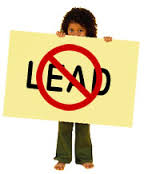
What do you know about lead screening in children? Many parents think that lead exposure is a thing of the past. It is true that the risk of lead poisoning in children has improved over the years with removal of lead from gasoline, paint, and other environmental improvements, but the fact is many of our children are still at risk. Lead affects nearly every bodily system and is especially harmful to the developing brain in unborn children and young children. Even low levels of lead in the blood can affect IQ and academic achievement so it is important that we screen children who are at risk.
In the past, lead levels in children below 10 were not of concern. Recently the Center for Disease Control has lowered that level of concern to 5. This allows parents and health care providers to address the lead exposure quickly and prevent higher levels and damage to a child’s developing brain. The recommendation for chelation (treatment to remove lead from the blood) remains the same. This therapy may be provided when a child’s blood test results show lead at 45 micrograms per deciliter or more. However, we know that even small amounts of lead can be a problem, and there are steps parents can take to reduce a child’s exposure.
What can you do? What child should be screened?
- Share with your child’s health care provider if your home was built before 1978. There are lead testing kits that can be obtained from the local health department to test if your home has lead paint and dust.
- Test your home prior to doing renovation like sanding, painting, or other repair that could disturb paint.
- If you see dust or paint chips on window sills or other areas due to peeling paint, dust the areas frequently with a damp cloth. Clean your home regularly damp mopping frequently.
- Don’t let your child play in the dirt next to an older home, plant grass in bare areas in the yard.
- Remove shoes when you come in the home to prevent tracking in dirt with lead.
- Wash hands before eating and provide a healthy diet. Children who eat a healthy diet absorb less lead.
- If you live in an older home, run your tap water for a few minutes before using it to cook or drink or mix formula.
The only way you can know if your child’s lead level may be elevated is with a blood test. Your child usually will have no symptoms of lead exposure. If you are concerned that your child may have lead exposure, especially if you live in a home built before 1978, talk to your doctor about screening. Children often are screened starting at about the 9 month checkup. Be your child’s advocate! Learn about how to protect your child from lead exposure, because even a little is too much. For more information visit http://www.cdc.gov/nceh/lead/ and www.healthychildren.org.
Take a breath, enjoy the joyful moments of each day, and remember you don’t have to be perfect to be the perfect parent.
Cindy
Why Being a Parent is at the Top of My Gratitude List

I am sitting this morning in the quiet, sipping my coffee, and making a gratitude list. I must admit, it is very long. It is so good for me to actually list what I am thankful for because in my everyday life, I often overlook some of my simple daily blessings. My life with my husband who is best friend and love of my life and our four children and our son-in-law definitely tops my gratitude list. Everyone will be home by Wednesday and the house will be lively. Life is good. I am grateful. This time of year always turns my thoughts to gratitude, and I realize that simply because I am a parent, my blessing cup overflows. Our children have brought me a greater joy than any other aspect of my life. I am grateful for so much in my life, but some of the reasons that I am grateful to be a Mom include:
The Experience of Parenting Love.
From the moment I “fell in love” with each of my children, the definition of love changed. It was a mix of responsibility, awe, pride, exhaustion, frustration and wanting more for them than myself and an immense, heart expanding love. All of this has a overflowed back to me. A total gift…so much more than I have given.
Enjoying the wonder of Life.
Being able to enjoy the moments of childhood wonder again, reliving those moments of awe and magic. Experiencing the world new again, even participating in those school projects that I actually learned more from the 2nd (3rd and 4th) time around! (I finally know the state capitals!) I continue to enjoy the wonder even now as young adults finding their passions in life….the world is completely open to them!
Learning that there is more joy in the accomplishments of your child than in your own.
The greatest pride is in the accomplishments not of yourself but of your child, and the greatest accomplishments are not material but that moment that you realize your child is a wonderful human being. There is nothing better than seeing your child become a caring, passionate, adult you respect.
Remembering the hugs, kisses, smiles, high fives, and “the looks” I have gotten from each of my kids that showed me I was loved. Experiencing now, the “I’m home” hugs as they return home from their world now.
There is nothing like feeling loved. Those beautiful wet toddler kisses, the quick hugs from my teenagers so no one would see, the high fives after a game, the looks from across the room that said “Thanks I love you Mom”, and the wonderful hugs and kisses as they walk in our door now as adults…that is the love I hold in my heart.
Loving my husband more.
Children expanded the love I have for my husband. I loved him with my whole heart before children, but even loved him more and yes maybe differently when I saw him become the amazing Dad he is. I continue to love him more each day in our life as he continues to “father” our children in each season of their lives.
Remembering the sticky fingers, skinned knees, messy bedrooms, late night “emergency talks” and yes loads of college laundry that have made me feel like a Mom. There is nothing like feeling needed….
Kids definitely come with messes…but those messy times hold a special place in my heart. I am so thankful I was the one who was blessed to put the bandages on knees, clean up sticky messes, and work through life’s problems.
Realizing that my children have helped me appreciate my own parents.
Until you are a parent, it is difficult to “get it”. As the years pass, I realize over and over again what sacrifices my own parents made for me; the lessons they taught, the love they lavished, and the roots they gave. I think that by becoming a parent, you realize more the blessing of your own parents. There becomes this special bond…a kind of “parenting club” where you finally “get it”. I am more aware each year of the blessing of my own parents, and am more grateful than ever for their example to me.
Realizing that my children have made me a better person.
Our children have brought me challenges that have made me stronger, they have made me admit my weaknesses and accept them; they have focused me on prayer and have helped me ever expand my capability to love. Yes….each has made me a better person…
Yes, being a parent is at the top of my Gratitude List this Thanksgiving. My heart is full…Happy Thanksgiving to all of you, may your hearts be full of gratitude too.
Take a breath, enjoy the joyful moments of each day, and remember you don’t have to be perfect to be the perfect parent.
Cindy
The Holidays are Approaching….Need Tips on Coping?

Tis the season of great joy, happiness, perfect family togetherness,…..not always!
The holidays are quickly approaching and for parents of young children this season can be wonderful, but also full of challenges. If you are looking for the perfect holiday experiences, you are destined to be disappointed. You can have a wonderful season with family friends, and sanity if you start with your expectations. Most disappointment starts with expectations that are unrealistic. The reality of most houses is that the turkey may be over done, the children have spilled on their outfits, the tree is leaning a bit and the gifts may be wrapped with duct tape! The truth is that the holidays are all about the relationships, not the details. That is a big statement from me, because I can certainly get caught up in the details! If parents are stressed, who else becomes stressed??? Your children…
Let’s look at some tips for decreasing your stress and helping you and your child enjoy this wonderful time of year.
- Holidays can be very difficult for a child especially if they tend to get over stimulated like infants and toddlers. Provide quiet “touch time” with your child each day, and remove stimulation if your child becomes very fussy or clingy. Try to plan just one major activity a day.
- Know your child’s developmental level–handling excitement and managing disappointment are sophisticated skills for children under age 8. Know that socially unacceptable behavior may occur!
- Think about how you handle stress in general and holiday stress in particular. Children observe our behavior and learn from what they observe. Model good coping skills for your children.
- Encourage thinking of others and our many blessings. Talk about the gifts and blessings that your family enjoys and the importance of sharing with those less fortunate. Removing some of the “I want” and replacing it with “I am thankful for…” can reduce stress.
- Provide structure and routine. Children behave better, sleep better, and are less fussy when there is routine. That doesn’t mean that you have to stick to your every day routine, but make sure you are planning for nap time and planning for quiet times. Be your child’s advocate, when your child needs down time, insist.
- When visiting family and friends, there may be many new faces for your child. Introduce unfamiliar people slowly. Hold your child as they get to know others. Do not let your baby be passed around among many new people. Stay where your child can see your familiar face. Your child may be happy being held by others if he or she can see you.
- When spending the night away from home. Try to keep the familiar bedtime ritual used at home. Be sure that you have a safe sleeping area for your child. Bring a pack-n-play or be sure that the crib that is provided is safe. Don’t forget that special “lovey” or book that your child needs to sleep!
- Be careful introducing lots of new foods in your child’s diet and your diet when nursing. Tummy aches can be a problem when there are lots of new foods, but relax; the holidays bring some extra sweets. Teach that cookies and treats are fine in moderation. Allow your child to indulge!
- Set appropriate boundaries and limits. Toddlers need limits in order to feel secure. If you must discipline, be respectful of your child, especially older children. Discipline in private.
- Carve out quiet time with each child. Quiet time in the evening is a must after an active day.
Tips on family gatherings, shopping, Santa visits and more to come…what tips do you have to help families enjoy the holidays?
Take a breath, enjoy the joyful moments of each day, and remember you don’t have to be perfect to be the perfect parent.
Cindy
What is on your fall bucket list?
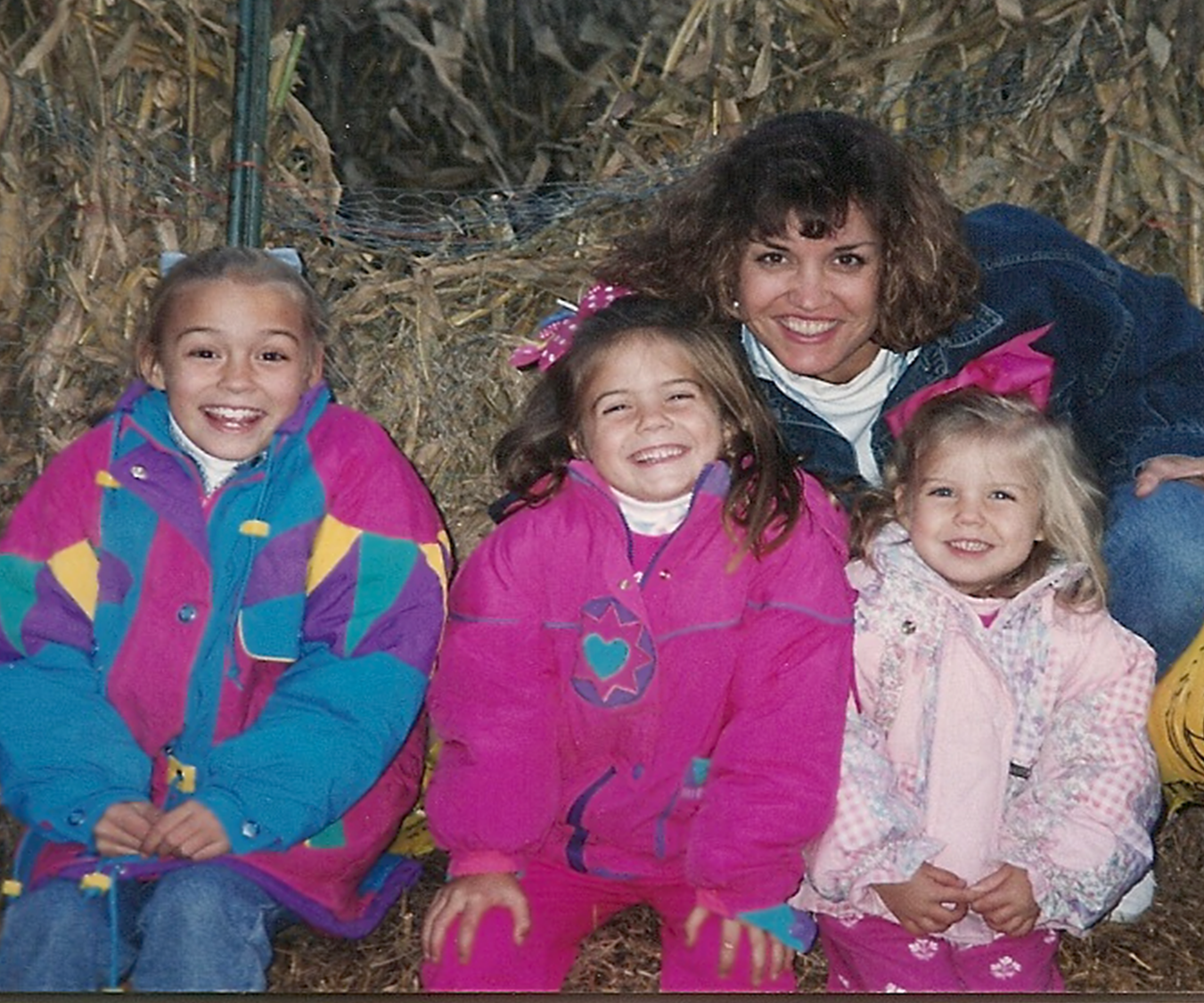
Fall can be full of fun family activities…what is on your fall bucket list? This was a Love family tradition….a hayride at the apple orchard!
Labor Day has passed, and that familiar feeling of “where did the summer go?” has come and gone. Those autumn days are approaching and as much as I love summer, I love autumn too! I like the change of seasons and autumn brings perfect opportunities for family togetherness and fun. So, it is time to make the bucket list for the fall season. What will you do to enjoy the upcoming autumn days? What will you do to make memories with your child…every season brings new opportunities for enjoying the moment. Here are a few things on my fall bucket list….share yours!
- A bonfire. There is something about a blazing fire on a cool fall night complete with hotdogs and of course s’mores and hot chocolate. This is a must at least once in the fall! Keep your little one up past bedtime at least once to experience melted marshmallows and chocolate!
- A visit to the apple orchard. Picking apples is a Love family tradition. A trip to Stuckey Farm was always a highlight. Kids love to learn where their food comes from and actually picking apples is a thrill. No apple orchard trip is complete without a cup of cider and maybe a caramel apple!
- A fall hike. I love to head out for a hike through falling leaves when the air is cool and crisp. What a great way to let your child experience the wonders of nature when the leaves are beautiful shades of color. Our hikes always ended with taking home favorite leaves and ironing them between wax paper for a place mat that week. Create a fall craft with bits of the outdoors with your child! Remember “Outdoors everyday!”
- Attend a fall festival. There certainly are an abundance of festivals during the fall. I love going through the booths looking for treasures and maybe sampling some of the “festival food” that is there. Many of the festivals have children’s activities too. Check out Indiana’s festival website: https://visitindiana.com/fall/?gclid=CP7q1ejgjc8CFRAvaQodT3IHAQ
- Plant some fall mums. I love to switch out my tired summer flowers to some bright colored mums. A few mum, gourds, and pumpkins and my home is ready for the change of season! Let your kids pick out the funniest looking gourd and help decorate!
- Plant some spring bulbs. What a great way to look forward to spring color. Let your child help you plant a few bulbs and then remember to watch for them next spring! Take a picture of you planting them together and then another when they bloom. When that first bulb pokes its head up in the spring…everyone is excited!
- Pick out a pumpkin and carve it. I still love to pick out the perfect pumpkin. It must be big, fairly round and have a big fat stem! Find the perfect one together and then let everyone join in the fun of getting a little messy cleaning out the seeds! Make a happy Jack-o-lantern (or if you prefer scary, we always had to have 2, one happy one scary!) and light up the night.
- Rake leaves and jump in them. I can remember our first home didn’t have many trees…we backed up to 3 other houses with children. One Saturday we all raked the few leaves we had together and made a pile for the neighborhood kids to enjoy. A pile of leaves and kids always results in fun. I have to rake leaves in our home now…and if I have to rake, I will jump in them whether I have kids here or not! 🙂
- Bake something pumpkin. There is nothing better than the smell of pumpkin and spice in the house on a cool day. Remember, baking and kids go together. Love this recipe! http://thepioneerwoman.com/cooking/2009/10/moist-pumpkin-spice-muffins-with-cream-cheese-frosting/
- Go for a fall Sunday drive. I love to take a leisurely driving tour of the fall colors, and it is even better if we stop for ice cream! (it seems a lot of my bucket list revolves around food! :))
- Go to a Friday night football game. We no longer have a high school son playing football (which means I no longer cringe quite as much when I see the receiver get hit!), but there is just something about a crisp Friday night supporting the local team. If you can’t afford to head to a Colt’s game, or even if you can, a great affordable way to introduce your kids to the Friday night football experience is to head to your local high school and cheer on the team. It is a great date night too!
- Hot cider on the back porch. I love to heat the cider up from the apple orchard and sip it on my back porch on a cool fall afternoon. Pick a day when your little one is napping and ignore your “to do list” and take a little breather for you.
So that is my Fall Bucket List…not real difficult, just simple fun. Don’t let this season slip away without enjoying it. Every season, every day, every moment is fleeting. Give your child the gift of enjoying the moment you are in…so find yourself a leaf pile and jump in!
Share your fall bucket list!
Take a breath, enjoy the joyful moments of each day, and remember you don’t have to be perfect to be the perfect parent.
Cindy
Preparing your child (and YOU) for the start of preschool!
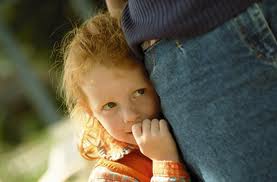
The first day of preschool can be difficult for your child and you!
The big yellow school buses are starting to show up around my house again. My daughter has had her first day of teaching 4th grade and I know several college students who are moved in and studying hard. I remember that familiar feeling of excitement and some sadness about my kids leaving and starting new beginnings that crept into my heart each year at this time. Transitions can be difficult for parents and children. (in my case transition was more difficult for me than my kids! 🙂 ) Many of your little ones will soon be starting Moms Day Out Programs or Preschool…are you and your child ready for that transition? Sometimes dropping your child off at their school can result in a few tears from you and a few from your child. Almost all children (and parents) have some separation anxiety at the start of preschool. Sometimes children (and parents) revisit these feelings after holiday breaks, long weekends, and of course every fall as the new school year begins. It is hard developmental work for a preschooler to transition to new routines, new places, meet new people and separate from Mom and Dad! So give your child a little time and try a few of these tips to get through those first few weeks of school:
- Talk about school! Don’t just make general statements like “You will love it!” “It will be so much fun!” Talk about specifics. What will your child do? What kind of toys and activities will be there? What is the daily schedule? Drive by and point out where the school is. Be sure to visit the school with your child at least once before the first official day.
- Add routine at home. Start to structure your day at home a couple of weeks before school starts. Practice transitioning in activities like snack, play time, and cleaning up. Start earlier bedtime routines and wake up times if your child will be rising earlier for school. Start laying out clothes the night before and eating breakfast quickly in the morning. Practicing the morning routine helps remove stress that first few weeks of school.
- Read books about preschool. Reading about the start of school helps open the door for conversations. One of my favorites is The Kissing Hand by Audrey Penn.
- Have your own good-bye ritual. Remember preschoolers have no real concept of time. Saying “I will be back in 3 hours!” means nothing. Learn what the schedule is at school and tell your child that you will be back after the last story, or after snack…whatever the schedule is at school. Keep your good-bye ritual simple. If the good-bye is long and emotional (for you both) it will make your child more anxious (and you). A simple hug, kiss, and a special private ritual like a high-five will work. Using the same good-bye ritual will make transition easier.
- Never sneak away. If you actually drop off in the classroom, get your child started with an activity and then say your good-bye. Sneaking away will only increase your child’s anxiety.
- Get your emotions under control. Your child will feed off of your anxiety. Take a deep breath and save the tears for after you leave. Your tears and constant “You will be fine…don’t worry!” comments only make your child more anxious!
- Try a transitional object. Check with the school to see if your child may bring a comfort object “just in case”. I sent a tissue with a lipstick “kiss” on it tucked in the pocket of my #3 daughter’s pocket when she had difficulty heading into kindergarten. A lovey, family picture tucked in a backpack, or some other similar item can provide a little comfort when needed.
- Don’t be late…be early! Being on time for pick up is so important! Children become very anxious if they are one of the last ones to be picked up, or they can’t see your car waiting in carpool line. It is easy to try to run one more errand when you have that free morning, but make being on time a priority.
- Give your child a big hug, kiss, and smile at pick up. Sometimes a child will have an emotional reaction when he or she sees you at pick up, that often just means they have “held it together” for the day, and now the emotions flow. That doesn’t mean the day was awful!
- Talk about the day. Ask questions, “ooh and ahh” over the art projects, and talk about feelings if your child had a difficult time separating. Give labels to those feelings and talk about strategies for the next time your child goes to school. Talk about times when you were sad or nervous and what you did. Don’t ignore the feelings…acknowledge and empathize.
Preschool, daycare, grade school, high school (and college) are big transitions for your child and you! A little preparation for both of you will help with the transition, but it still will tug at your heart-strings. That is part of parenting…one heart tug after another…and the growth and development of one amazing child to an amazing adult.
Take a breath, enjoy the joyful moments of each day, and remember you don’t have to be perfect to be the perfect parent.
Cindy
No child is perfect…and that is OK!
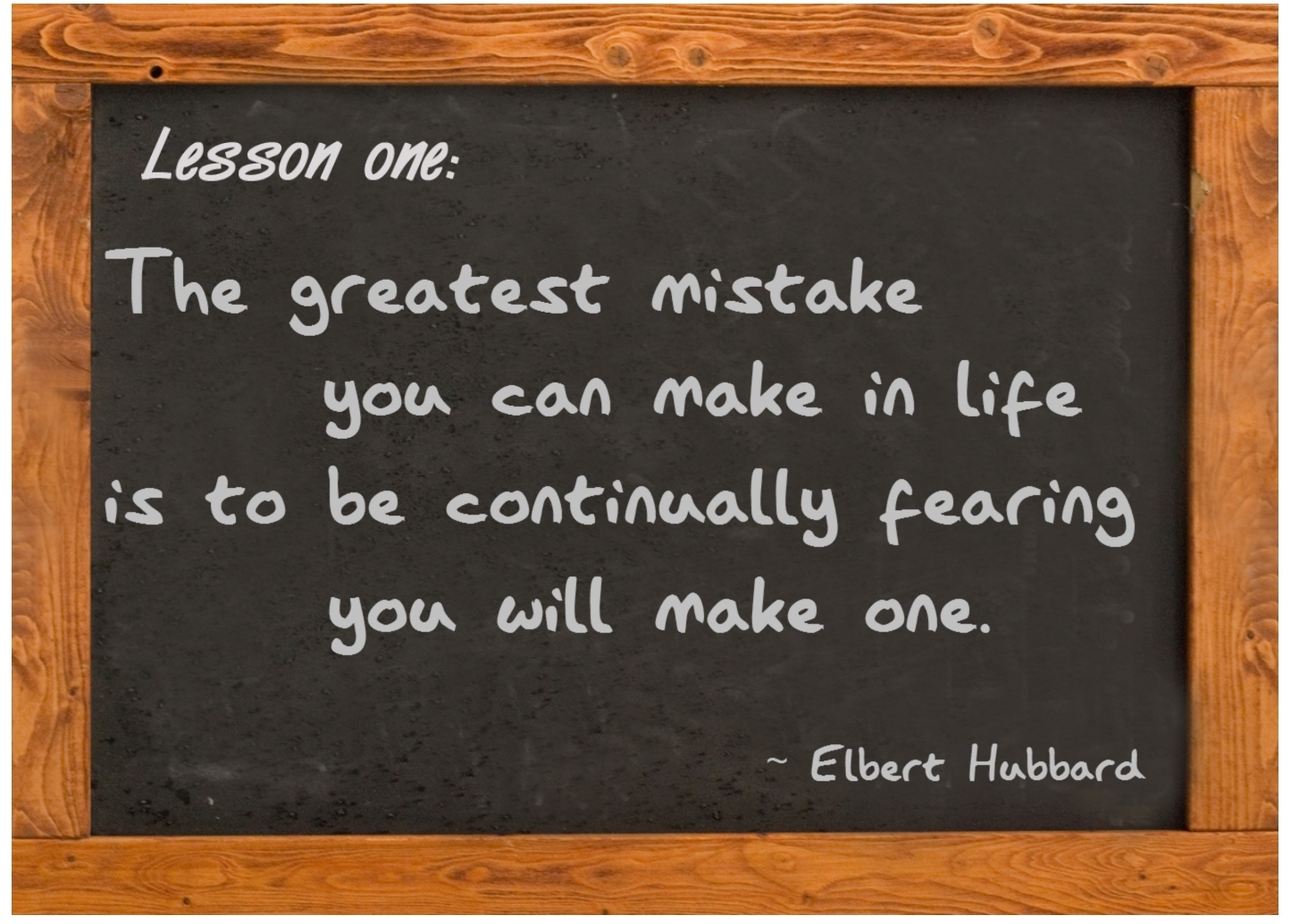
No parent or child is perfect…and that is OK!
We had a wonderful weekend celebrating the marriage of my daughter’s childhood friend. I always cherish having all four of my children at home at the same time! As Monday morning arrives, and college and budding careers claim my children again, I find my thoughts in the familiar place of focusing on my hopes and dreams for my children. I so desperately want them to be adults who are filled with integrity, who are happy, and successful. Many times I have gotten caught up in the idea that my children need to be perfect in order to achieve that in life. The fact is, they are not perfect…and neither am I. Perfection is simply impossible. I have learned that my children are not good at everything, they each have their unique strengths and yes, weaknesses. There have been many times that they have made me burst with pride (this weekend!) and other times that I have been very disappointed in them. However, my disappointment should not be based on their lack of perfection, because not one of us is perfect. One of the biggest mistakes a parent can make is trying to “make” their children be perfect by orchestrating their life so they think they are perfect. That is just simply not reality.
I think in recent years, perfection has started to become the new minimal standard for children. This results in parents trying to orchestrate their children’s lives so that there is near perfection…no challenges, no disappointments and certainly no consequences for mistakes; because often we don’t want to believe our children can make them. This results in young adults that are devastated when the reality of their imperfection in an imperfect world hits.
The wonderful thing about imperfection is that mistakes result in learning. We all can think of major life lessons that were the result of some pretty big mistakes. Children learn volumes from their mistakes, and we as parents must never “micromanage” our children and orchestrate their life so they never experience those mistakes and disappointments. Even with constant micromanagement…your child will eventually make a mistake and he must know how to use that mistake for growth and realize your love does not depend on his perfection.
The key to a child learning from mistakes and disappointment is the knowledge that he is unconditionally loved by Mom and Dad. Loving your child completely, with no reservation is an absolute parenting must. This unconditional love will help your child become a confident adult who realizes that love is not based on how successful or perfect he or she is; but that love is just a given. Unconditional love does not result in parenting that does not include consequences for mistakes, that is actually a part of that unconditional love. Your child will learn that your love is not based on his perfection, but he is loved mistakes and all. Most mistakes result in some type of consequence, sometimes a natural consequence, sometimes a parent driven one…but allowing those consequences is actually a part of that perfect unconditional love of a parent. Your child will understand that you still love him completely…mistakes, consequences and all.
So as this Monday begins, remember that your child cannot be perfect…just as you can’t be. But if we give our children that perfect love, that unconditional love, then those imperfections or mistakes don’t have to be prevented or micromanaged. Those imperfections can be embraced so that lessons can be learned, integrity can be built, confidence can develop, and your child’s true character will emerge. As parents we must trust that providing a false sense of perfection only results in greater disappointments in the future. So push your children out that door knowing that there will be moments of great pride in them and moments of disappointment, but remember by simply loving your children through it all you will help them become their best, imperfections and all. I enjoyed my “pretty perfect” kids this weekend…and all four are headed back out ready to tackle the world this morning…and they each know that I love them completely, forever and always.
Take a breath, enjoy the joyful moments of each day, and remember you don’t have to be perfect to be the perfect parent.
Cindy
Childproofing the bedrooms and living areas

You want your child’s bedroom to be a safe place for your child to sleep and the living area of your home where you will spend a great deal of time should be as hazard free as possible. Removing hazards will allow your child to explore freely and safely. Vacuum your home often because I promise, that little pincer grasp develops quickly and your child will find any piece of dirt, lint, pill, money or other small item before you know it! Remember, check these rooms out on your child’s level…get on those hands and knees and take a look around!
- Place your child’s crib or bed away from all windows, drape and blind cords and electrical cords. These cords can be strangulation hazards.
- Make sure that a crib meets all national safety standards.
- Be sure that the crib mattress and sheets fit snugly.
- Do not use any comforters, bumper pads, pillows, stuffed animals, or fluffy mattress covers for any child one year or younger.
- Remove any mobile once your child can sit up or reach it.
- If your child is 35 inches tall or has attempted to climb out of his or her crib, then it is time to move to a “bid kid bed”.
- Bolt all heavy furniture to the wall.
- Check to be sure all toys in the room are age appropriate. Be sure there are no choking hazards.
- Be sure there is a smoke detector and carbon monoxide detector near the bedroom.
- Be sure to have a fire escape ladder in each bedroom on the 2nd floor.
- Install window guards if the room is on the second level.
- Make sure there is no furniture near the window that a child could climb up on to reach the window.
- Your child should sleep in flame resistant pajamas, or tight fitting cotton pajamas according to the consumer product safety commission. Avoid gowns or large t-shirts once your child is mobile.
- Toy chests should not have a lid or have a spring loaded lid support. A toy box should have air holes in case a child would get trapped inside.
- Do not ever turn the door knob around and lock your child in his or her room. If you are concerned about your child “escaping” then gate the room.
- Keep baby lotions and oils out of reach. Some baby products like lotions and baby oils contain liquid hydrocarbons. These can cause serious lung damage if a child aspirates them. These should be kept out of your child’s reach, never let a child play with these containers while getting a diaper change.
Family room and living room:
- Install table and edge guards on sharp corners of furniture.
- Use cord shorteners for lamps or hide cords behind heavy furniture.
- Place the television on a low, stable piece of furniture as close to the wall as possible. This will help prevent the television from being pulled over on your child.
- Bolt tall furniture to the walls. Approximately 5000 children a year are injured and 6 children a year die from furniture that is pulled over on them. Tall pieces and large screen TVs should be bolted to the wall. There are kits you can buy to do this.
- Check to be sure that the house plants are safe.
- Install fireplace hearth guards if there is a raised fireplace hearth. Remove matches, lighters, and fireplace tools.
- Install fireplace gas starter covers.
- Install latches at the top of doors to the basement or other doors you do not want your child to open.
- Remove as many “no’s” from the room as possible. Knick Knacks, breakable items, or anything that is not kid friendly is best put away for another day!
- Your purse or a visitor’s purse are full of dangers. There are medications, loose change, pens and pen caps, paper clips, perfume, nail files, makeup and many other dangerous items in purses. Keep your purse and purses of visitors out of reach!
Get those bedrooms and living areas safe for your child. Moving forward tomorrow, we will talk about pets, your garage and your first aid kit at home!
Take a breath, enjoy the joyful moments of each day, and remember you don’t have to be perfect to be the perfect parent.
Cindy
Childproofing the kitchen and bathroom!

Bath time is fun…but the bathroom is full of potential dangers for children!
There are few places in the house that you spend more time, and there are few rooms that are more dangerous! The kitchen and bathrooms are areas that can be full of potential hazards for your child. Take a look at the list below and then tackle these two rooms…..
The Kitchen:
- Always supervise your child in the kitchen. When cooking, be sure that your child is not under foot. Place your child in a safe place, like a high chair when you are cooking, never hold your child while you are working in the kitchen. Children may grab at hot foods are sharp items.
- Try to use the back burners of the stove and keep pot handles turned away.
- Teach words like “hot” and “don’t touch”.
- Explore the use of stove guards if your knobs are easy for small hands to reach.
- Use painter’s tape to tape an “unsafe zone” on the floor around your stove to keep children a safe distance from the stove and from being under foot when you are cooking.
- Use cabinet latches. Keep one or two drawers or cabinets that are safe for your child. There is nothing more fun than plastic containers and lids!
- Dishwasher soap and cleaners are poisonous! They should be stored high with cabinet latches.
- Think about switching from hazardous cleaners like chlorine bleach, glass cleaners, and liquid drain openers to safer cleaners like vinegar, compressed air drain openers, baking soda and other non hazardous cleaners.
- Be sure that vitamins have child-resistant caps and are stored high and in a latched cabinet. Never talk about vitamins as “candy”.
- Do not use tablecloths. Children will use tablecloths to pull up resulting in dishes, food, lit candles etc. being pulled off the table.
- Always strap your child into the high chair and do not leave your child unattended.
- Do not try to carry hot food and your baby at the same time.
- Never leave a child unattended with any container of liquid like a bucket. Children are top heavy and can fall head first into a bucket of water. If you are washing your floors, keep your baby in a safe place. Empty buckets completely and store upside down.
- Keep alcoholic beverages locked up and out of reach. Be careful with alcoholic drinks on tables within your child’s reach, children will take drinks of liquids in glasses that are unattended. It takes very little alcohol to cause alcohol poisoning in a small child.
- Unplug electrical appliances like coffee pots, toasters, and blenders when not in use.
- Keep knives and other sharp objects in latched drawers.
- Place knives and sharp utensils in the dishwasher with handles up. If your child does pick up a sharp utensil, do not try to pull it out of their hand, firmly squeeze the child’s wrist and the child will let go of the sharp item.
- Keep a fire extinguisher in the kitchen.
- Keep the bathroom door closed. Out of sight, out of mind! Use a door latch if necessary.
- Keep the toilet lid closed. Install a lid latch if necessary. Remember babies and toddlers are top heavy and can fall head first into the toilet.
- Keep razors, scissors, tweezers and other sharp tools out of reach.
- Keep the blow dryer and curling iron unplugged and out of reach. If a curling iron is still hot, put it in a protective cover and store out of reach.
- Keep all medications in child proof containers and locked. As a double layer of protection, lock up all medications, any self respecting toddler can open a “child proof lid” faster than you! We used a metal document container to lock up medications…it worked great!
- Keep mouthwash, perfume, and after shave out of reach. All these items have a high alcohol content.
- Be careful with using drop in toilet cleaners. The chemicals are harmful if your baby would ingest toilet water or the toilet cleaner.
- Place a nonslip mat in the bath tub and a mat outside of the tub.
- Put a soft plastic guard over the tub spout to protect your child’s head. Seat your child facing away from the faucet, this may keep your child from trying to turn on the water.
- Keep the water heater turned down to 120 degrees F. This will prevent burns from hot water.
- Never, never, leave your child unattended in the bath…even for a moment. The bath rings used to help babies sit up in a tub are not a safety device…there have been many accidental drownings when a parent has left a child in a bath ring unattended for just a moment.
- Teach your child to sit in the tub at all times. This is a non negotiable safety rule!
Take a breath, enjoy the joyful moments of each day, and remember you don’t have to be perfect to be the perfect parent.
Cindy
 raisingkidswithlove